
Last updated October 16, 2026
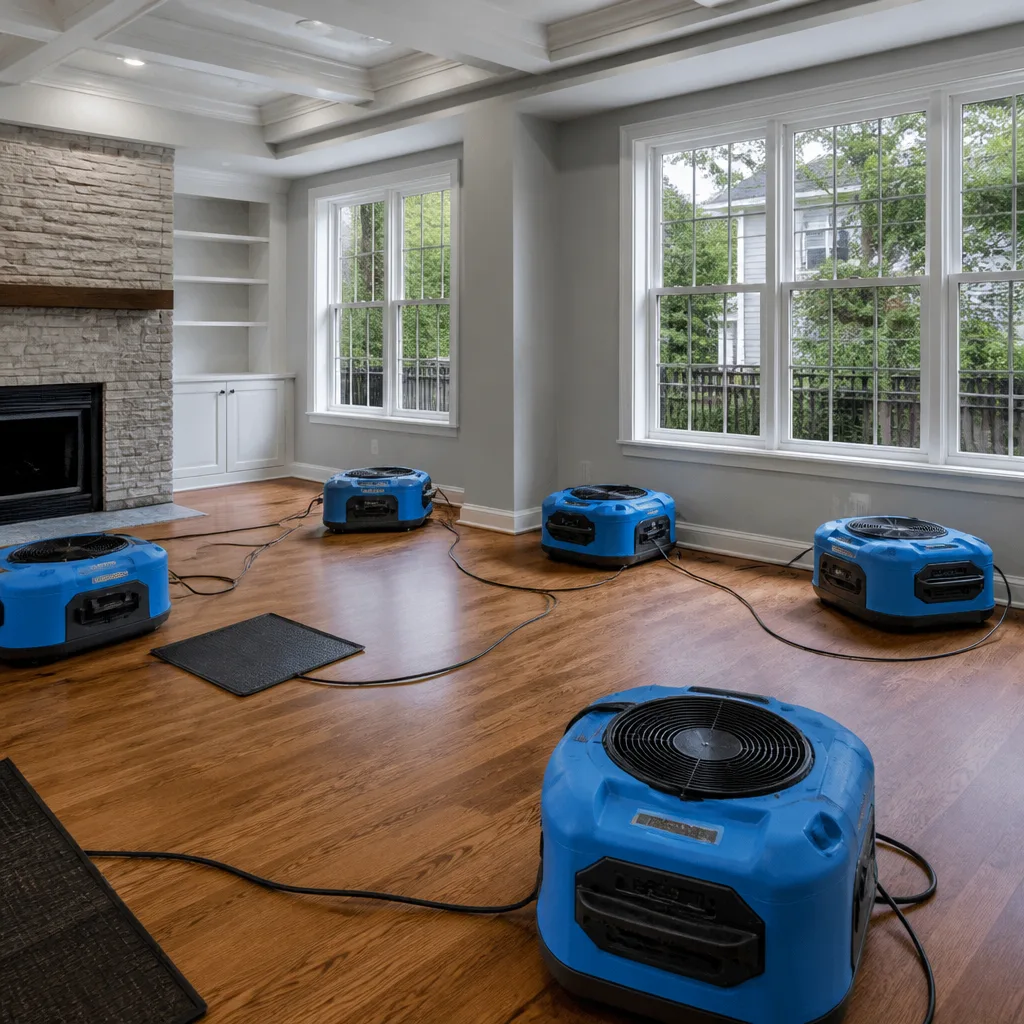 Water damage drying
 Fire & smoke cleanup
 Mold remediation
 Storm response
 Sewage cleanup
 Reconstruction
Free visual inspection and a written scope of work before any mitigation begins - photos, moisture readings, and drying logs go in your claim file
The scope we write is the scope we bill. Anything new gets shown to you, in writing, before we touch it.
Get your free estimateHow to Hire a Damage Restoration Contractor in Houston: A Step-by-Step Guide
After Hurricane Beryl, the Texas Department of Insurance logged thousands of contractor complaints from Houston homeowners, most of whom said the price changed after demolition started. Every one of those jobs began without a written scope. If you’re standing in a flooded living room or looking at a smoke-stained ceiling right now, the contractor you pick in the next hour determines whether you get made whole or get taken. This guide walks you through the exact questions, documents, and verification steps that separate a disciplined restoration crew from a storm chaser working out of a pickup truck in Houston. For a broader overview, see our Complete Guide to Damage Restoration in Houston.
Restoration work we handle
Quick Answer
Hire a damage restoration contractor in Houston by verifying their license and insurance before anyone enters your home, demanding a written scope and written price before demolition starts, and confirming their guarantee in writing. A legitimate Houston contractor will provide all five documents within one conversation: license, insurance certificate, written scope, written price, and a written guarantee. Anyone who balks at any one of those five documents should not be on your property.
Table of Contents
- Why Houston Is Different: Storm Chasers and the Beryl Aftermath
- The Five Documents to Request Before Any Contractor Comes On-Site
- How to Verify a Texas Mold Remediation Contractor License in Under Three Minutes
- Red-Flag Language That Signals a Moving Price
- Why Background-Checked, Uniformed Technicians Matter for Your Insurance Claim
- Using the Written Scope and Price to Hold a Contractor Accountable
- The Question-by-Question Vetting Framework
- What Equipment Should Actually Show Up on a Houston Job
- Common Mistakes to Avoid
- When to Call a Professional
- Frequently Asked Questions
- The Bottom Line
Why Houston Is Different: Storm Chasers and the Beryl Aftermath
Houston is the largest city in the country without zoning laws, which means construction and restoration work operates in an unusually open market. That’s fine when you’re adding a patio cover. It’s a problem when a hurricane pushes water through your roof and out-of-state crews roll in the next morning. After Hurricane Beryl tore through Houston, the Texas Department of Insurance documented a surge in contractor complaints, and the pattern was consistent: verbal estimates that grew after demolition opened the walls.
The Houston market has a structural issue that homeowners in other cities don’t face to the same degree. The city sits in a flood-prone coastal plain, experiences severe weather on a recurring basis, and has a large base of residential properties built before modern elevation and drainage standards. That combination attracts a rotating cast of restoration operators who follow the storm season. They know most homeowners are filing an insurance claim for the first time, and they know the adjuster is three weeks out. So the work begins on a handshake, and the price moves once the studs are exposed.
The fix is straightforward. You treat every contractor as unverified until they hand you five documents. If a company has been serving Houston since before the last storm cycle, they’ll have those documents ready before you finish asking. Keegan Restoration Houston has been part of the Garrison Partners family since 2005, and every job runs to The Garrison Standard: written price before work starts, background-checked uniformed technicians, and a 365-Day Done Right Promise in writing. That’s the baseline you should demand from anyone you let through the front door.
The Five Documents to Request Before Any Contractor Comes On-Site
Here is the list, in order of importance. Request each one by email or text so you have a paper trail before the crew ever arrives.
- License. In Texas, water damage restoration and fire damage restoration contractors are not required to hold a state-specific restoration license, but mold remediation is different. A Mold Remediation Contractor license from the Texas Department of Licensing and Regulation (TDLR) is mandatory for any company that touches mold above the threshold of 25 contiguous square feet. Ask for the license number and verify it yourself.
- Insurance certificate. Ask for a certificate of liability insurance issued directly from the insurance agent, not a photocopy from the contractor. Look for general liability, pollution liability when mold is involved, and workers’ compensation. If a worker gets hurt on your property and the contractor has no coverage, your homeowner’s policy is the next target.
- Written scope of loss. This is the line-by-line document that says what was damaged, what will be demolished, what will be replaced, and how it will be done. It should reference the trade’s real terms: extraction, psychrometrics, desiccant drying. If the scope reads like a vague paragraph, it’s not a scope.
- Written price. The price must be tied to the scope. It should be itemized enough that you can see what each phase costs: mitigation, drying, demolition, rebuild, cleaning, and disposal. A single bottom-line number with no breakdown is a red flag.
- Guarantee terms. Ask for the warranty language in writing before work starts. Keegan ties every repair to the 365-Day Done Right Promise, a written one-year guarantee with a free return visit if something fails. If a contractor can’t tell you what their post-completion obligation is, they don’t have one.
These five documents are not negotiable. A contractor who says “we’ll get you that after we start” is telling you they don’t work that way, and you should believe them the first time.
How to Verify a Texas Mold Remediation Contractor License in Under Three Minutes
If mold remediation is part of your job in Houston, the contractor must hold a Mold Remediation Contractor license issued by the Texas Department of Licensing and Regulation. Here’s the verification process, step by step.
- Go to the TDLR website and open the license search page. Search for the company name or the individual license holder’s name.
- Confirm the license type reads “Mold Remediation Contractor.” A Mold Assessment Consultant or Mold Analysis Laboratory license is not the same thing and does not authorize remediation work.
- Check the license status. It should read “Active,” not “Expired,” “Suspended,” or “Probationary.”
- Match the name on the license to the name on the contract. Franchise names and shell companies don’t count. The entity you sign with must be the licensed entity.
- Check the expiration date. TDLR licenses renew on a schedule, and a license that expired last month is not valid this month.
This entire process takes less than three minutes on a phone. Do not skip it. A contractor who shows up with no TDLR license and starts cutting out mold risks both your health and your insurance claim. Your insurer will deny mold damage if it was caused by improper remediation, and your homeowner’s policy will not cover a second remediation.
For water damage and fire restoration work, the licensing picture is different. Texas does not issue a state restoration license for these trades, which means the burden shifts to insurance, references, and documentation. That’s why the written scope and price become even more important. Without a licensing agency to file a complaint with, the only accountability tool you have is the written document you hold.
Red-Flag Language That Signals a Moving Price
You can spot a price-switching contractor before they ever step inside your home. Listen for these phrases, and end the conversation when you hear them.
- “We’ll know more once we open the walls.” A legitimate contractor writes a scope with a change-order clause. The change-order process means any additional work discovered during demolition is documented, priced, and agreed to in writing before it proceeds. “We’ll know more” without that clause means you’re funding an open-ended invoice.
- “I can give you a rough idea.” A rough idea is not a price. If the contractor has been doing this work in Houston for any length of time, they know what a flooded bedroom costs to dry and what a kitchen fire costs to rebuild. The range should be specific and itemized.
- “Let’s just get started and figure out the details later.” No. Insurance companies call this an “unscoped loss,” and it’s the exact scenario that generated thousands of post-Beryl complaints in Houston. Once demolition begins, you lose leverage.
- “I’ll work directly with your adjuster.” This can be legitimate or it can be a warning sign. The question is whether the contractor’s price is still in writing with you, or whether they’re building a private bill with your insurer that you never see. Demand a written scope and price that goes to both you and the adjuster.
- “We don’t do written estimates for emergency work.” Emergency extraction is the one exception where work may begin before a full estimate. But even then, the contractor should provide a written emergency service agreement with a not-to-exceed figure or an initial scope that covers the first 24 to 48 hours. A full written estimate follows within that window. If there’s no document at all, you’re exposed.
The pattern underneath all of these phrases is the same: the contractor is waiting for you to be committed before they commit to a number. In Houston’s restoration market, the written price delivered before any work starts is the single most important trust signal you can ask for. Keegan operates under The Garrison Standard specifically because this city has seen too many jobs go sideways on a handshake.
Why Background-Checked, Uniformed Technicians Matter for Your Insurance Claim
When a restoration crew enters your home, they’re not just carrying equipment. They’re photographing damage, taking moisture readings, and building the documentation file that will be submitted to your insurer. That means the person in your living room is effectively creating evidence. And the quality and honesty of that evidence determines whether your claim is approved, underpaid, or denied.
A background-checked technician has gone through a documented screening process. That matters because the person will be in your home unsupervised for hours, often while you’re at work or staying in a hotel. It also matters because the documentation they create carries weight with an adjuster. If the technician’s credentials are verifiable and their work follows industry standards like IICRC and RIA protocols, the adjuster has less room to question the scope or the pricing.
Uniformed technicians matter for a simpler reason: accountability. When a crew shows up in marked uniforms from a named company, you know who’s on your property and who to call if something goes wrong. When a contractor sends whoever is available, wearing whatever they drove in with, you have no way to confirm who was on-site or what they did. In Houston, where the restoration market cycles through transient crews after every major storm, that distinction is not cosmetic. It’s the difference between a documented job and a he-said-she-said dispute.
Keegan sends background-checked, uniformed technicians on every job, dispatched from a location that runs to The Garrison Standard. The name on the uniform matches the name on the contract, and the documentation they produce is formatted to support your insurance claim. That’s what a real crew looks like in this city.
Using the Written Scope and Price to Hold a Contractor Accountable
The written scope is not paperwork. It’s leverage. Here’s how to use it if the job starts to deviate.
First, understand what the scope should contain. A real scope of loss lists each affected area, the type and extent of damage, the drying plan with target moisture levels, the demolition boundaries, the materials to be replaced, and the final condition standard. It should reference psychrometrics, the science of air, humidity, and temperature that drives drying time calculations. You can cross-check your scope against our Water Damage Restoration Maintenance Checklist for Houston Homeowners. If the scope doesn’t mention drying goals or final moisture readings, the contractor hasn’t defined what “done” means, and you’ll be the one who finds out later that it wasn’t.
Second, tie the price to the scope line by line. If the price says $4,200 for mitigation and drying in a specific bedroom and bathroom, and the scope lists those exact rooms with square footage and equipment days, you have a document that either matches the work or doesn’t. If the contractor says they need to do more, that’s a change order. In writing. Priced. Signed by you before the extra work starts.
Third, reference the guarantee in the same conversation. The 365-Day Done Right Promise means that if the repair fails within one year, the contractor returns at no charge. That promise should be in writing before the first day of work. If a contractor won’t put warranty terms on paper, assume there is no warranty.
And fourth, document everything yourself. Take photos before the crew arrives, during the job, and after they leave. Save every text and email. If a dispute reaches an insurance claim or a court filing, the party with the written records wins. Always.
The Question-by-Question Vetting Framework
Here is the exact conversation to have with any restoration contractor before you sign anything in Houston. Work through these in order. If the answer to any question is vague, push for specifics or hang up.
- Are you licensed for this work? If mold is involved, get the TDLR license number and verify it while you’re still on the phone.
- Will you provide a certificate of insurance before work starts? “We’re insured” is not an answer. A certificate from the agent, with your name on it, is the answer.
- Can you give me a written scope and written price today? For emergency extraction, accept an initial written service agreement followed by a full written estimate within 48 hours. For anything else, the full written scope and price should precede any work.
- Who exactly will be in my home? Ask whether technicians are background-checked, whether they wear uniforms, and whether they’re employees or day labor. The answer should be immediate and specific.
- What equipment will you use? A professional Houston restoration company runs professional-grade gear. Keegan’s equipment roster includes Dri-Eaz, Phoenix, XPOWER, B-Air, and Injectidry, the brands used in IICRC-standard restoration work. If the answer is “we have some fans,” keep looking.
- What’s your guarantee, in writing? Ask for the exact warranty language before work starts. A one-year written guarantee with a free return visit is the standard Keegan operates under through the 365-Day Done Right Promise.
- How do you handle insurance claims? The contractor should provide full job documentation formatted to support your claim, work directly with your adjuster, and bill through the standard supplemental process. But your name should be on every document.
- What’s your change-order process? The answer should include a written change order, a price, and your signature before extra work begins. If they don’t have a change-order process, they have a surprise-bill process.
Run through these eight questions and you’ll separate the disciplined operations from the storm chasers within about ten minutes. That’s a good return on a phone call when the alternative is a five-figure dispute.
For a more complete picture of how a water damage job should run from start to finish, see our Water Damage Restoration in Houston guide. If you’re facing fire damage, the Fire Damage Restoration in Houston page walks through the rebuild process step by step. And when mold is part of the picture, the Mold Remediation in Houston guide covers the TDLR licensing and containment requirements in detail.
What Equipment Should Actually Show Up on a Houston Job
Houston’s climate makes drying work harder than in most of the country. The average relative humidity in this city runs above 70 percent for most of the year, and a flooded home in August is drying into air that’s already nearly saturated. That means pedestrian equipment fails here in ways it wouldn’t in Phoenix or Denver.
Here’s what a professional water damage job in Houston should include:
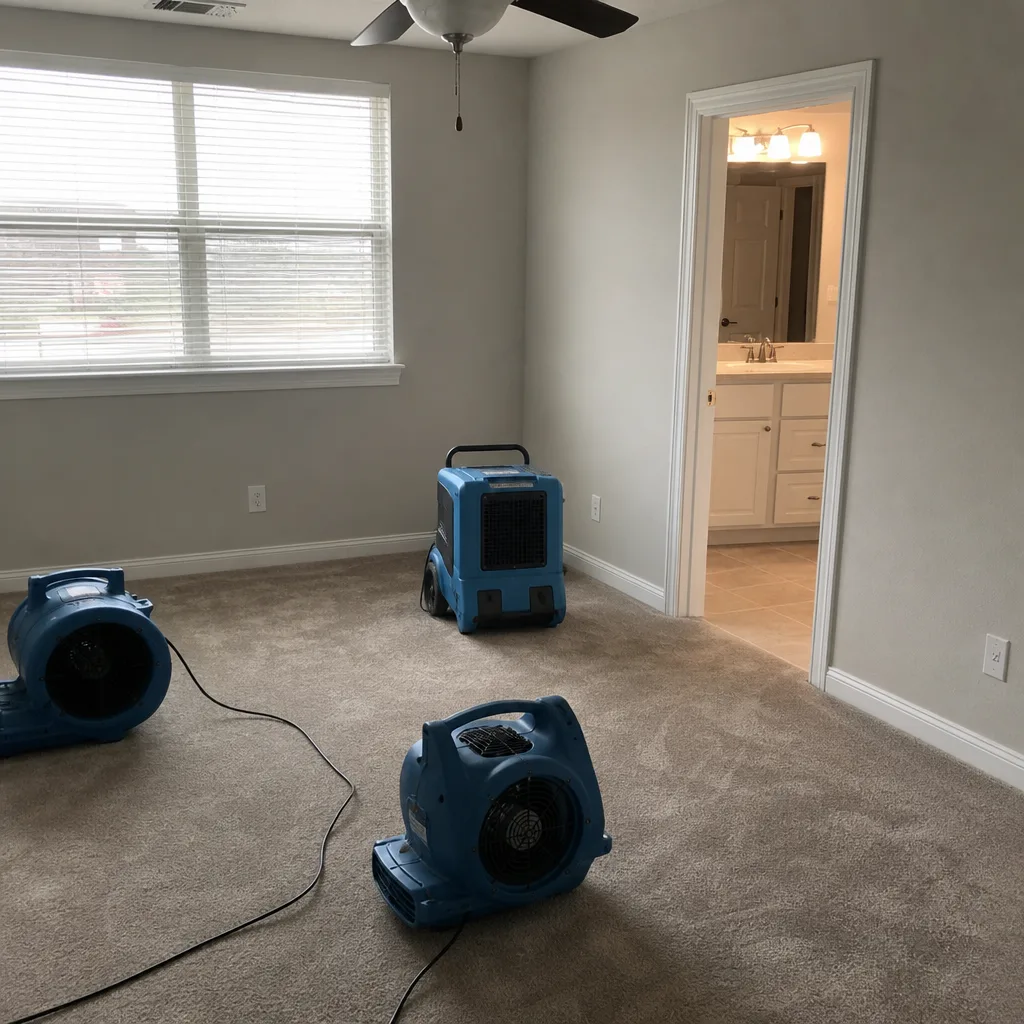
- Industrial air movers. Brands like B-Air and XPOWER move thousands of cubic feet per minute and are built for continuous multi-day operation. Box fans from a big-box store are not restoration equipment.
- Dehumidifiers sized to the space. Low-grain refrigerant or desiccant dehumidifiers pull moisture from the air so it can be extracted from structural materials. In Houston’s humidity, undersized dehumidification is the most common cause of failed drying jobs.
- Moisture meters and thermal imaging. The contractor should be mapping moisture in drywall, framing, and flooring before and during the drying process. If they’re not taking readings, they’re guessing.
- Injectidry systems for wall cavities. Water trapped behind drywall and inside wall cavities doesn’t dry with surface air movement alone. A directed drying system like Injectidry forces dry air into those cavities and is the difference between a dry home and a mold problem six months later.
- Air scrubbers. For fire jobs and mold jobs, HEPA air scrubbers filter the air during demolition and remediation. This is standard practice under IICRC protocols and should be part of any mold job scope.
The equipment list matters for a second reason: your insurer will benchmark the contractor’s line items against standard restoration pricing. When the scope references professional-grade equipment operated to IICRC and RIA standards, the adjuster has a clear frame of reference for why each line item exists. That makes the claim smoother to process and harder to underpay.
Keegan runs Dri-Eaz and Phoenix drying equipment alongside B-Air, XPOWER, and Injectidry systems, all operated in compliance with IICRC, RIA, and IFA industry standards. The equipment is not there for show. It’s there because Houston’s climate demands it.
Common Mistakes to Avoid
- Hiring the first contractor who answers the phone. Speed matters when water is actively damaging your home, but rushing into a verbal agreement with an unvetted contractor is how post-Beryl Houston homeowners ended up with moving prices. Take 30 minutes to run the vetting framework. The water will still be there.
- Signing a contract without a written scope. A contract that says “perform restoration services as needed” is not a contract. It’s a blank check. Every job should start with a written scope and written price.
- Skipping the TDLR license check for mold work. Mold remediation above 25 contiguous square feet requires a licensed Mold Remediation Contractor in Texas. Skipping this check risks an invalid claim and a botched remediation.
- Letting the contractor work directly with the insurer without seeing the numbers. Direct adjuster coordination is good practice and Keegan does it on every claim. But the price and scope should be transparent to you, not buried in a private billing arrangement.
- Assuming a big national franchise means quality. Franchise restoration companies in Houston vary widely by location. Some run tight operations. Others are managed from another state and send whoever is available. The Garrison Standard exists because independent operations can run a tighter ship than a franchise nameplate.
- Ignoring the guarantee terms. A contractor who won’t put warranty language in writing before work starts won’t stand behind the work after it’s done. Ask for it up front.
- Paying in full before the job is complete. A legitimate contractor invoices at milestones or upon completion. Anyone demanding full payment up front is not running a restoration company, they’re running a cash grab.
When to Call a Professional
If you can see water wicking up drywall, smell smoke in your attic, or spot mold on a surface larger than a dinner plate, a professional restoration crew should be in your home within hours, not days. These are not do-it-yourself situations. Water spreads through building materials on a schedule, mold colonizes in 24 to 48 hours in Houston’s humidity, and fire damage requires professional cleaning to remove smoke residue that will corrode surfaces over time. Waiting costs more money on every metric.
Keegan Restoration Houston offers free estimates in Houston, call (325) 550-1783. A live person answers 24 hours a day, 7 days a week, including nights, weekends, and holidays. We’ll walk through the five documents, write the scope, and put the price in writing before any work starts.
Frequently Asked Questions
Water damage restoration in Houston typically runs from $1,200 to $4,500 for a single-room mitigation and drying job, while full multi-room drying with rebuild work can range from $8,000 to $30,000 or more depending on the extent of structural damage, the type of water, and how long it sat. The exact figure depends on your square footage, the materials affected, and whether mold or contamination is present. Call (325) 550-1783 for a written estimate tailored to your home, estimates are free.
A local Houston restoration company with 24/7 dispatch can typically get a crew on-site within 1 to 3 hours for active water intrusion, depending on your location in the metro area. Keegan Restoration Houston answers every call with a live person around the clock and dispatches from a Houston-area location, which means no out-of-state coordination delays. Emergency extraction can often begin the same day.
Standard homeowner’s insurance in Texas covers sudden and accidental water damage, like a burst pipe or storm damage, but typically excludes gradual leaks, flood damage from rising water, and mold that results from long-term neglect. Houston homes frequently sit in designated flood zones, which requires separate flood insurance through the National Flood Insurance Program, not a standard homeowner’s policy. A restoration contractor who provides full photo documentation and a written scope formatted for insurance submission gives your claim the strongest possible footing.
If visible mold covers more than 25 contiguous square feet, Texas law requires a licensed Mold Remediation Contractor, and surface cleaning will not address the root of the problem, which is moisture trapped in building materials. Houston’s humidity means mold that is painted over or surface-bleached will return within weeks if the underlying moisture hasn’t been resolved. A professional assessment will measure the moisture content in the affected materials and determine whether containment and removal are required. Call (325) 550-1783 to have the situation evaluated properly.
A full-service restoration contractor should work directly with your adjuster, providing the scope, moisture readings, photos, and line-item pricing your insurer needs to process the claim, while keeping you copied on every document. Keegan formats every job’s documentation to support your insurance claim and coordinates directly with adjusters throughout the process. You should never be the middleman between your contractor and your insurer.
Run the five-document check: license, insurance certificate, written scope, written price, and guarantee terms. Then verify the TDLR license for any mold work, confirm the name on the license matches the name on the contract, and ask whether the technicians are background-checked and uniformed. A contractor who produces all five documents without hesitation and answers the eight vetting questions directly is almost always legitimate. A contractor who stalls on any one of them is not.
The Bottom Line
Houston’s restoration market has a trust problem, but the solution is a process, not a prayer. Demand the five documents before anyone enters your home. Verify the TDLR license for mold work in under three minutes. Listen for red-flag language, and walk away when you hear it. Get a written scope, a written price, and a written guarantee tied to each other. Then hold the contractor to those documents line by line. The companies that work this way are proud of it. Keegan Restoration Houston has been part of the Garrison Partners family since 2005, and we’ve run every job to The Garrison Standard that whole time. Start with the documents and you’ll end up with the right crew. For more guides & resources, visit our blog.
If you’re facing water, fire, or mold damage in Houston, call (325) 550-1783. A live person answers any hour, any day, and your estimate is free. Learn more about what we do at the Keegan Restoration Houston home page.
Written by Shane Pruitt, Owner at Keegan Restoration Houston, serving Houston since 2005.
See the difference
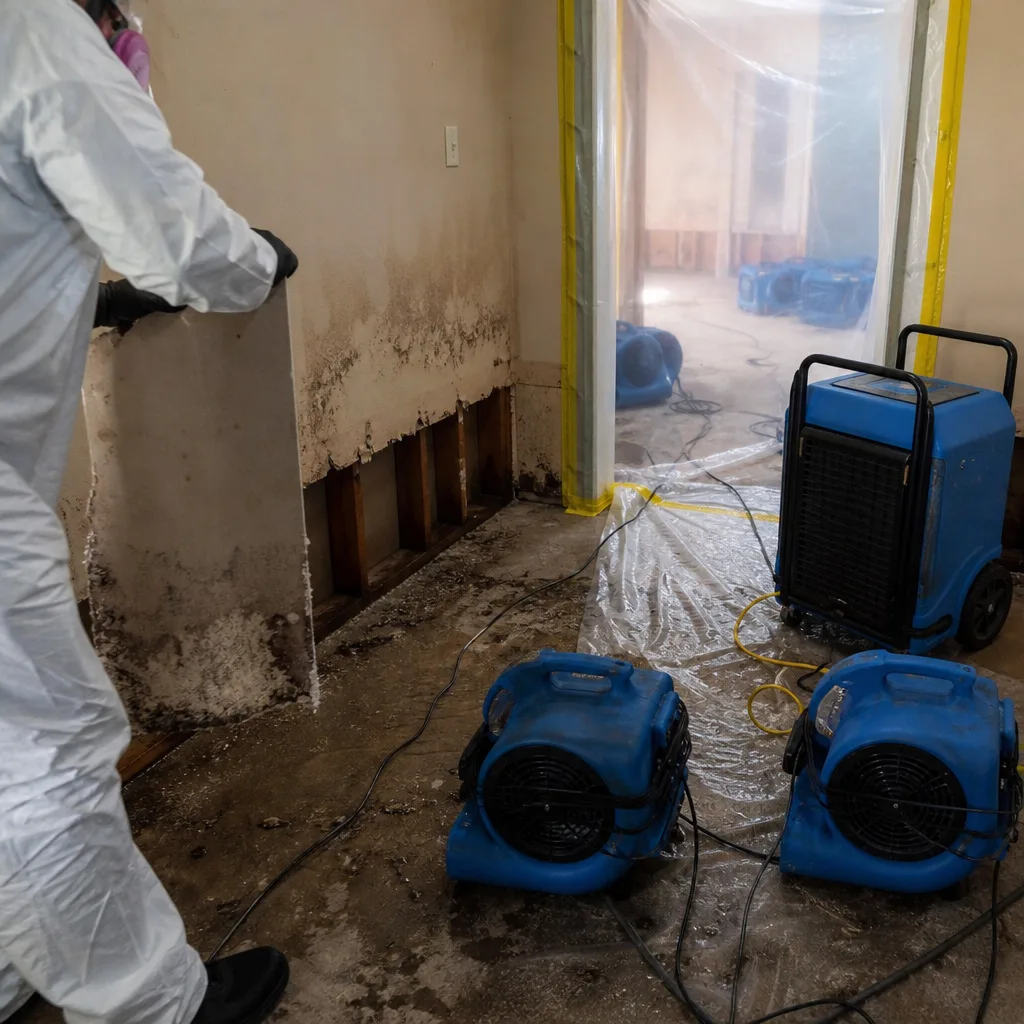 Before
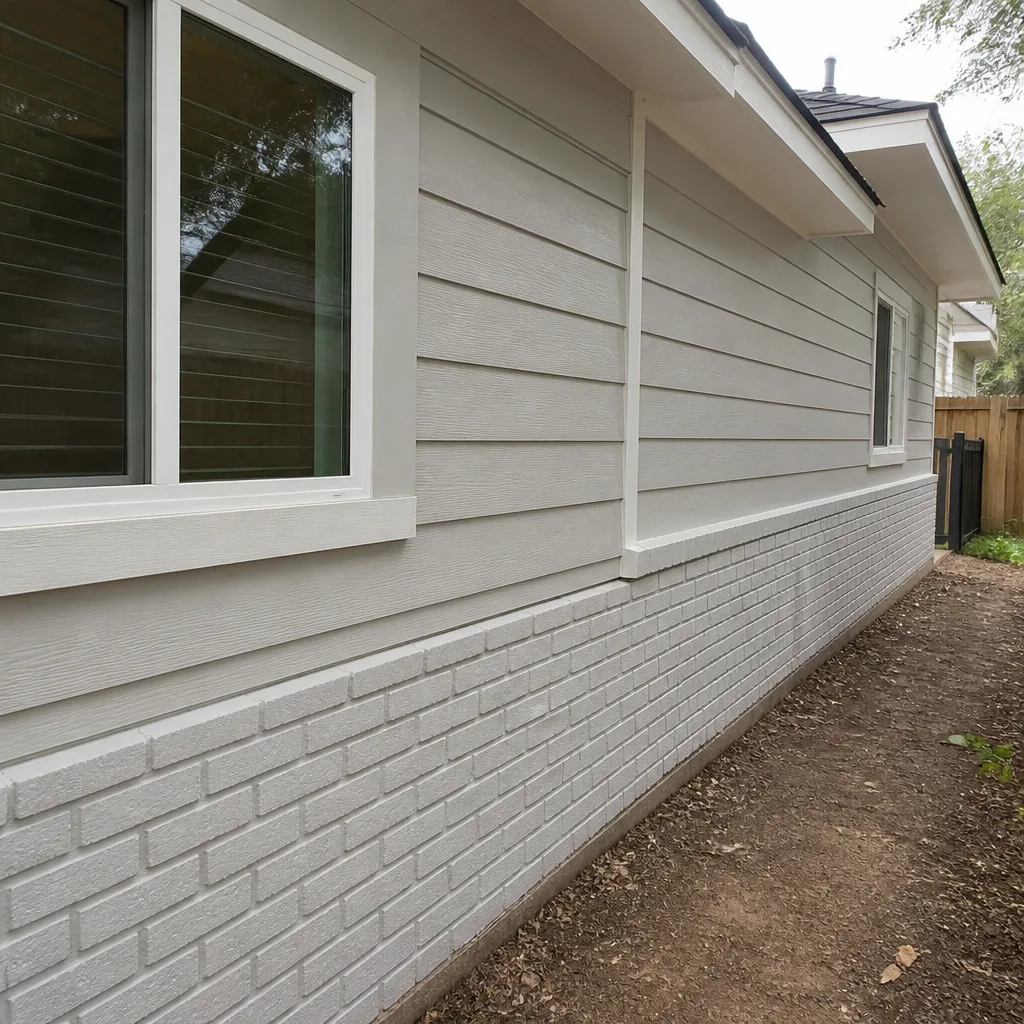 After
After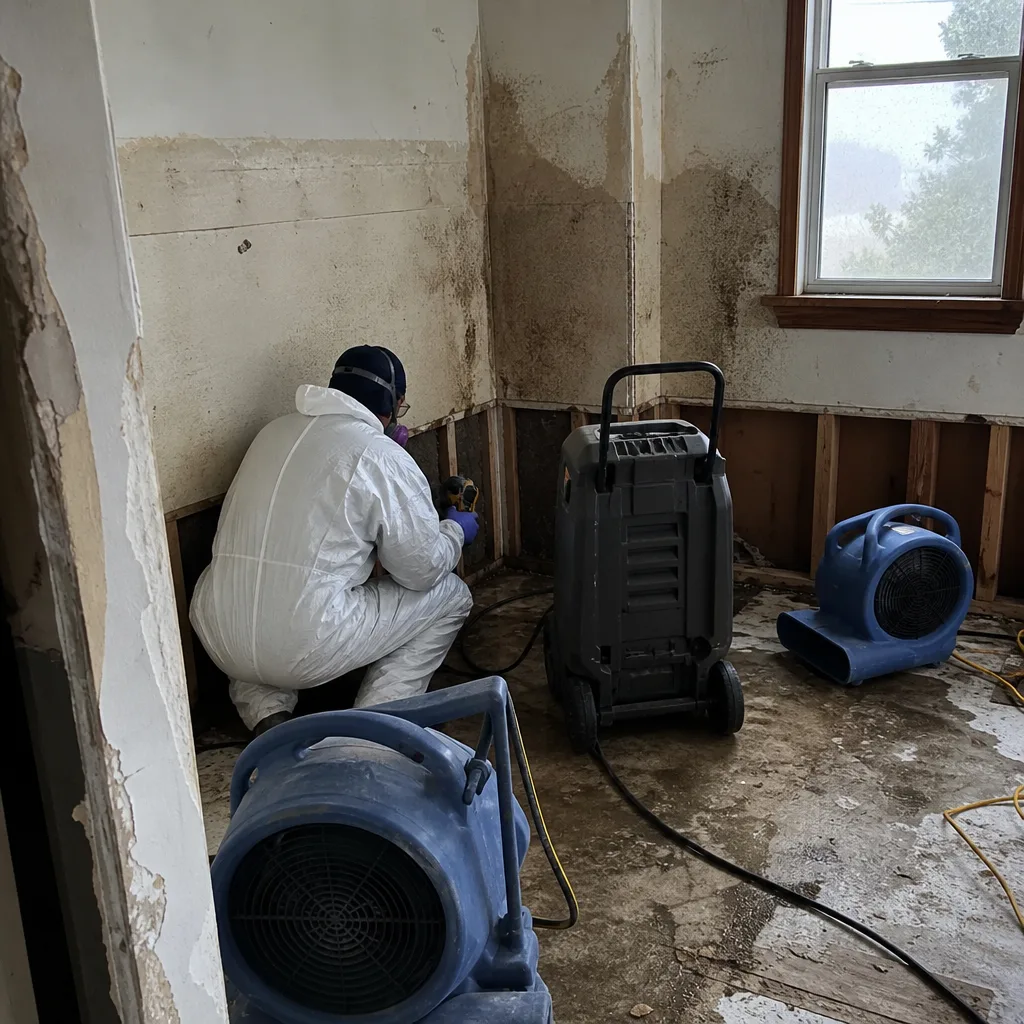 Before
 After
After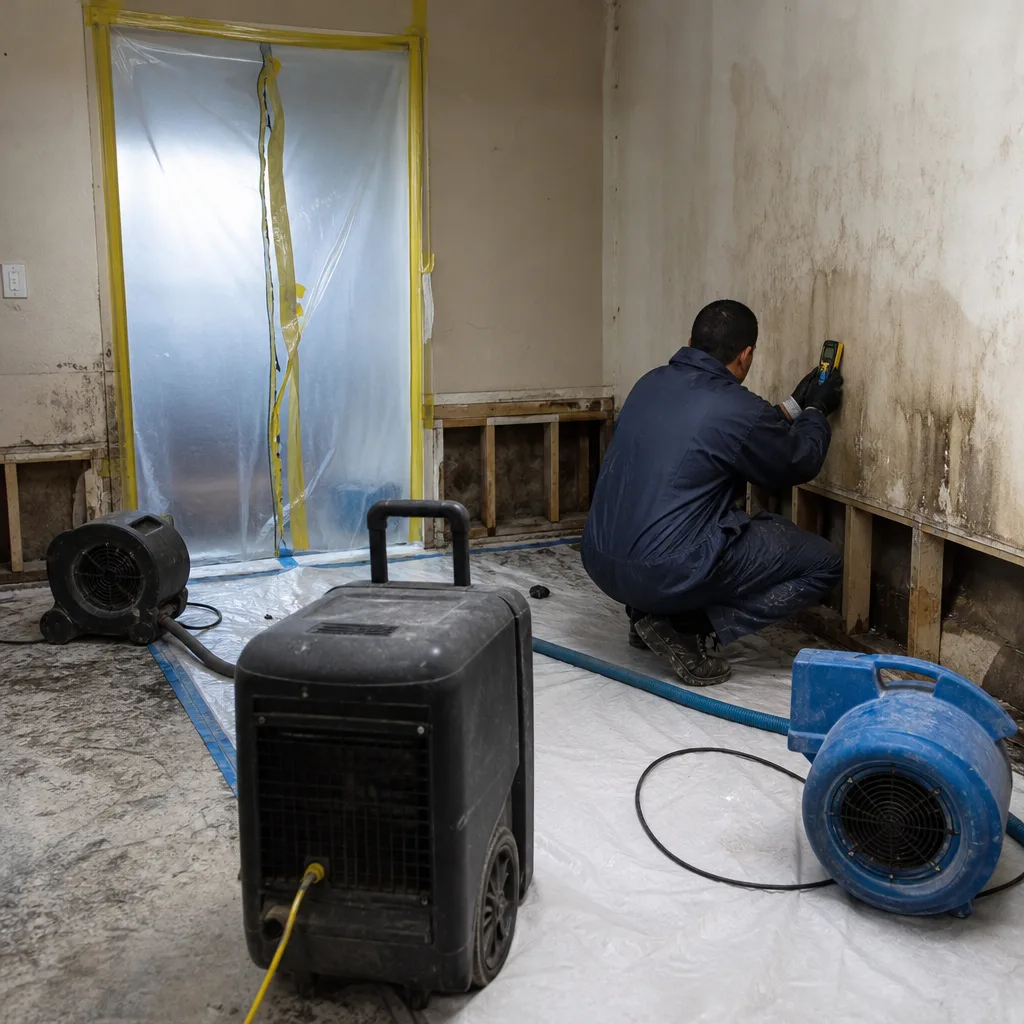 Before
 After
After