
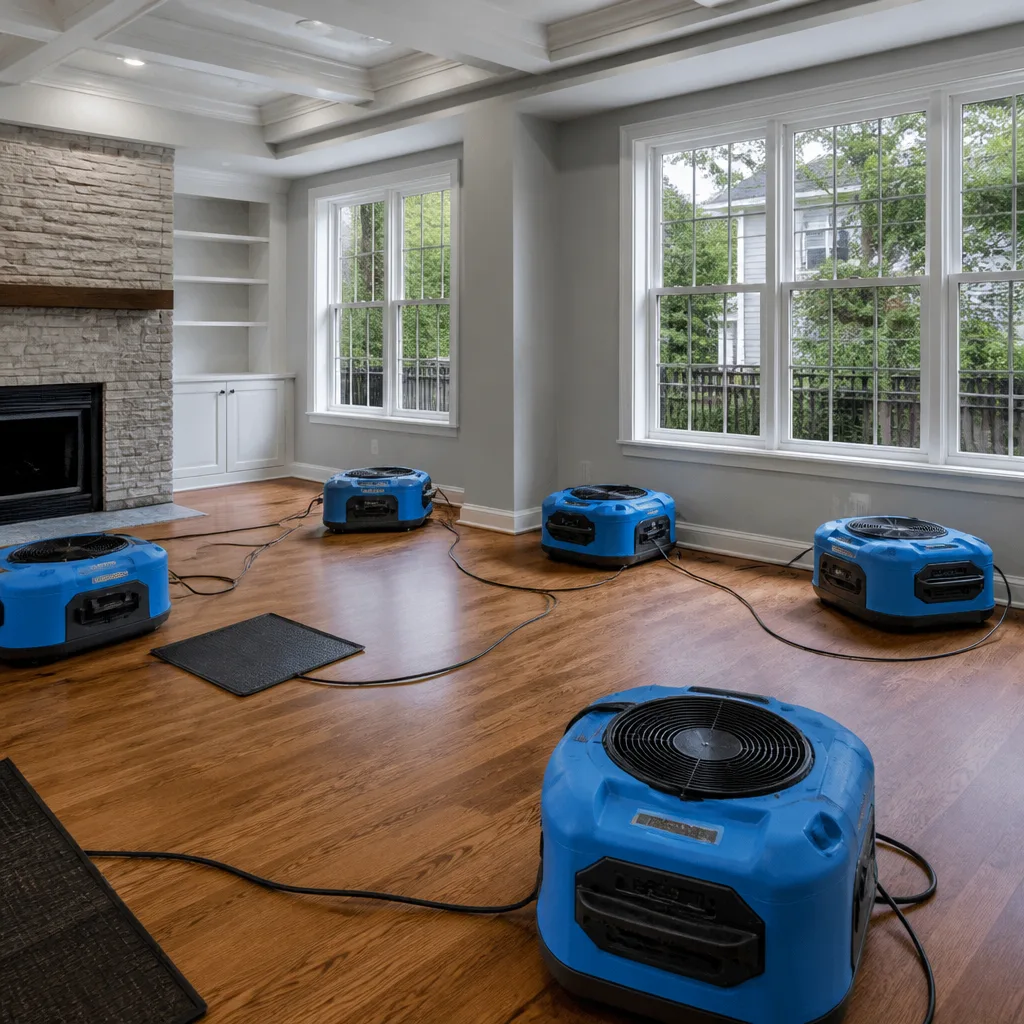
 Water damage drying
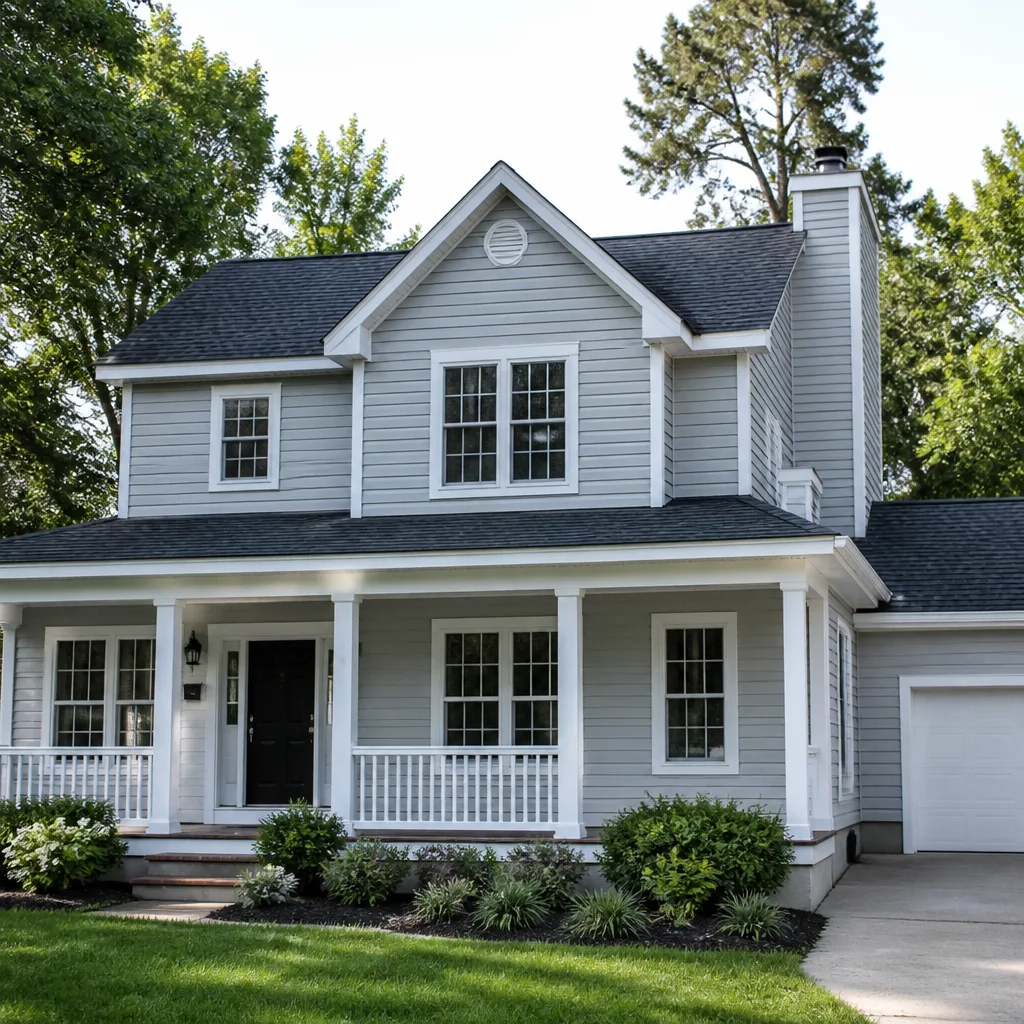 Fire & smoke cleanup
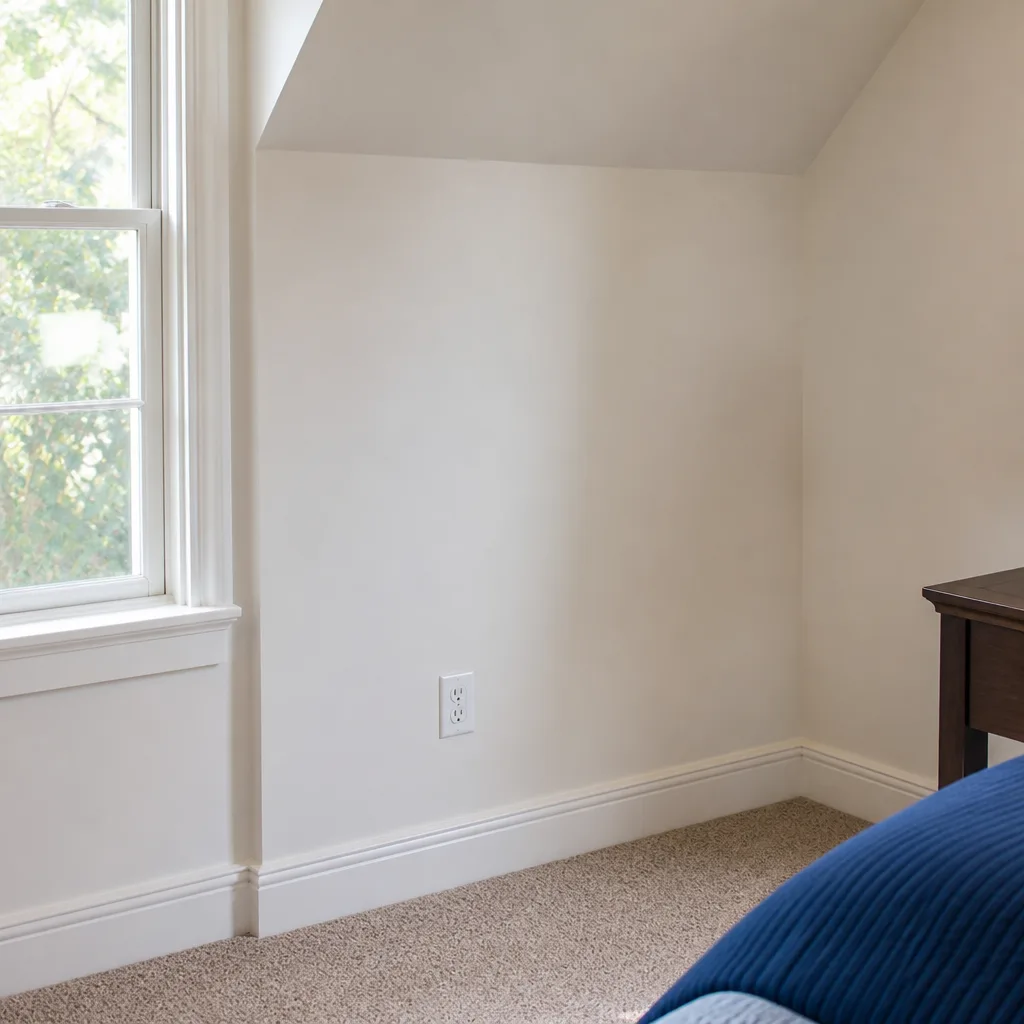 Mold remediation
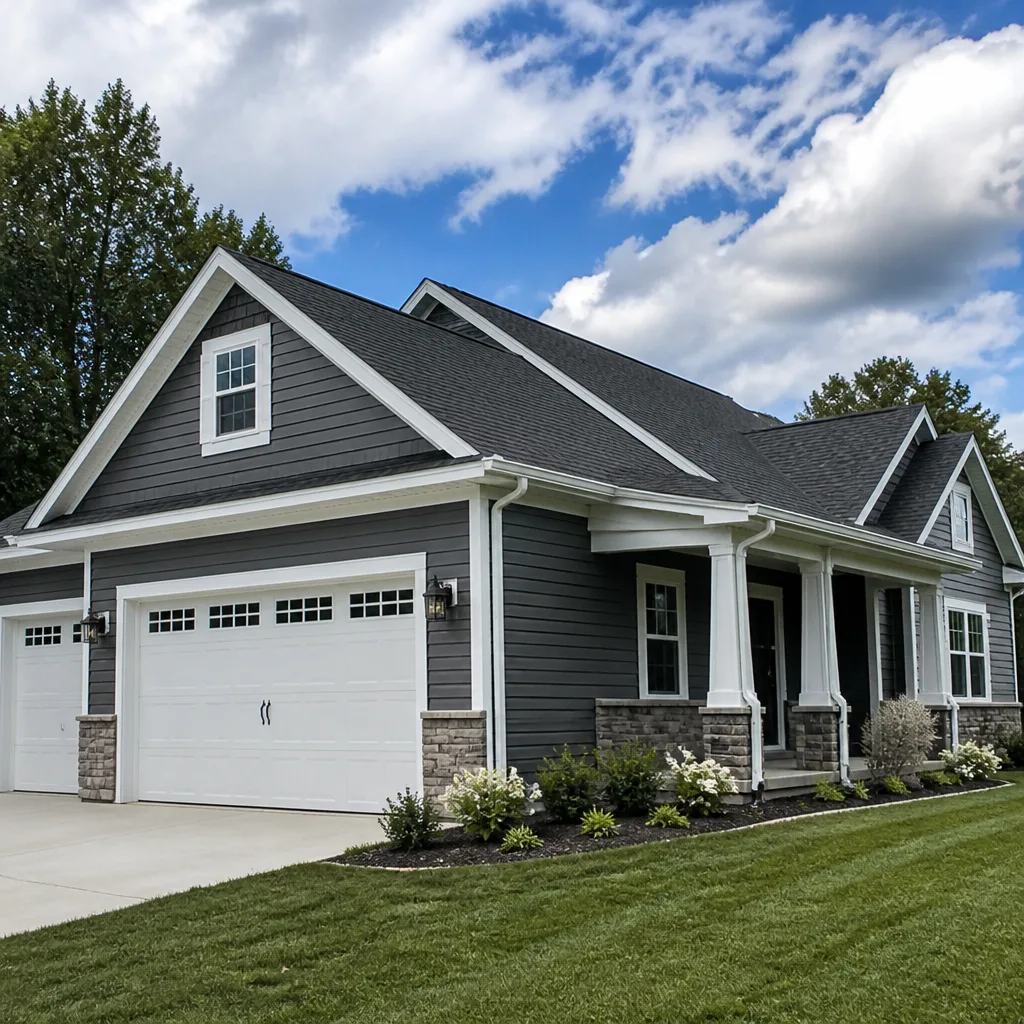 Storm response
 Sewage cleanup
 Reconstruction
Free visual inspection and a written scope of work before any mitigation begins - photos, moisture readings, and drying logs go in your claim file
The scope we write is the scope we bill. Anything new gets shown to you, in writing, before we touch it.
Get your free estimateRestoration work we handle
See the difference
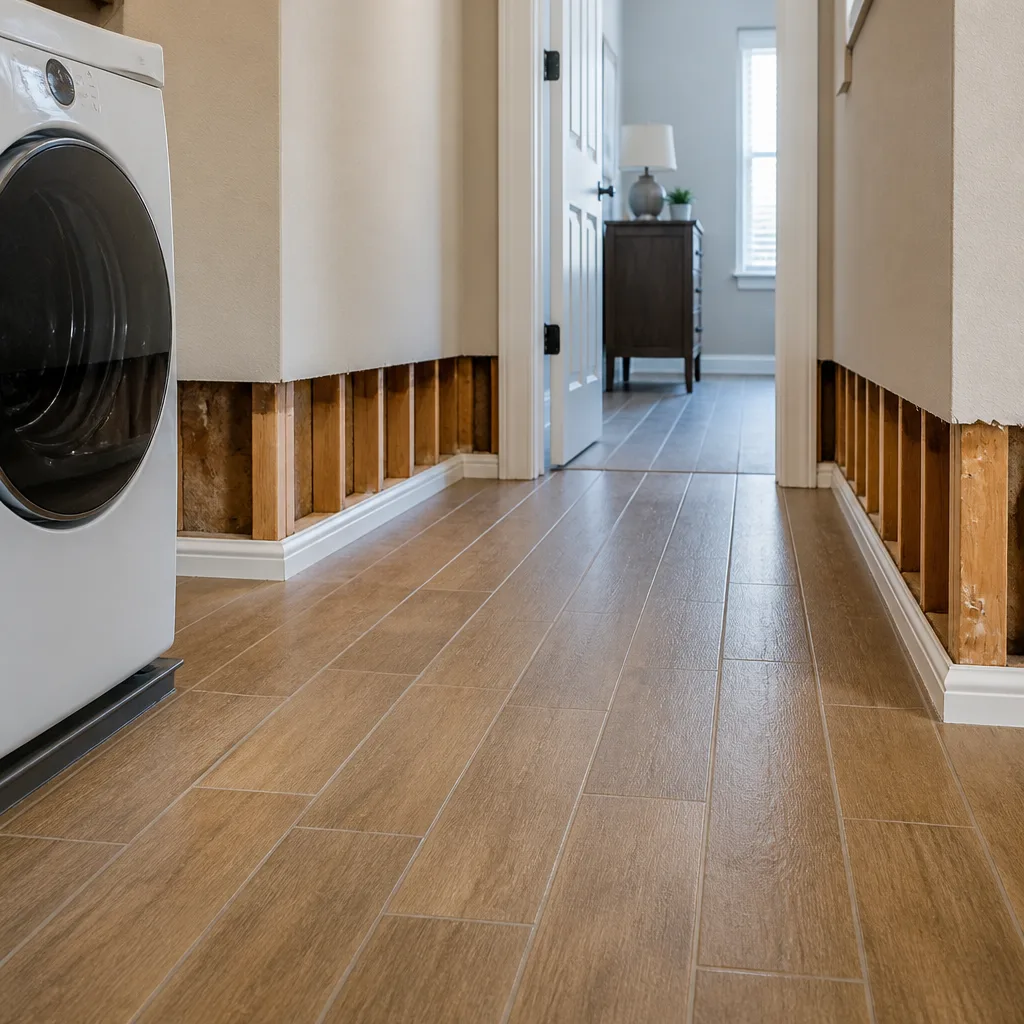
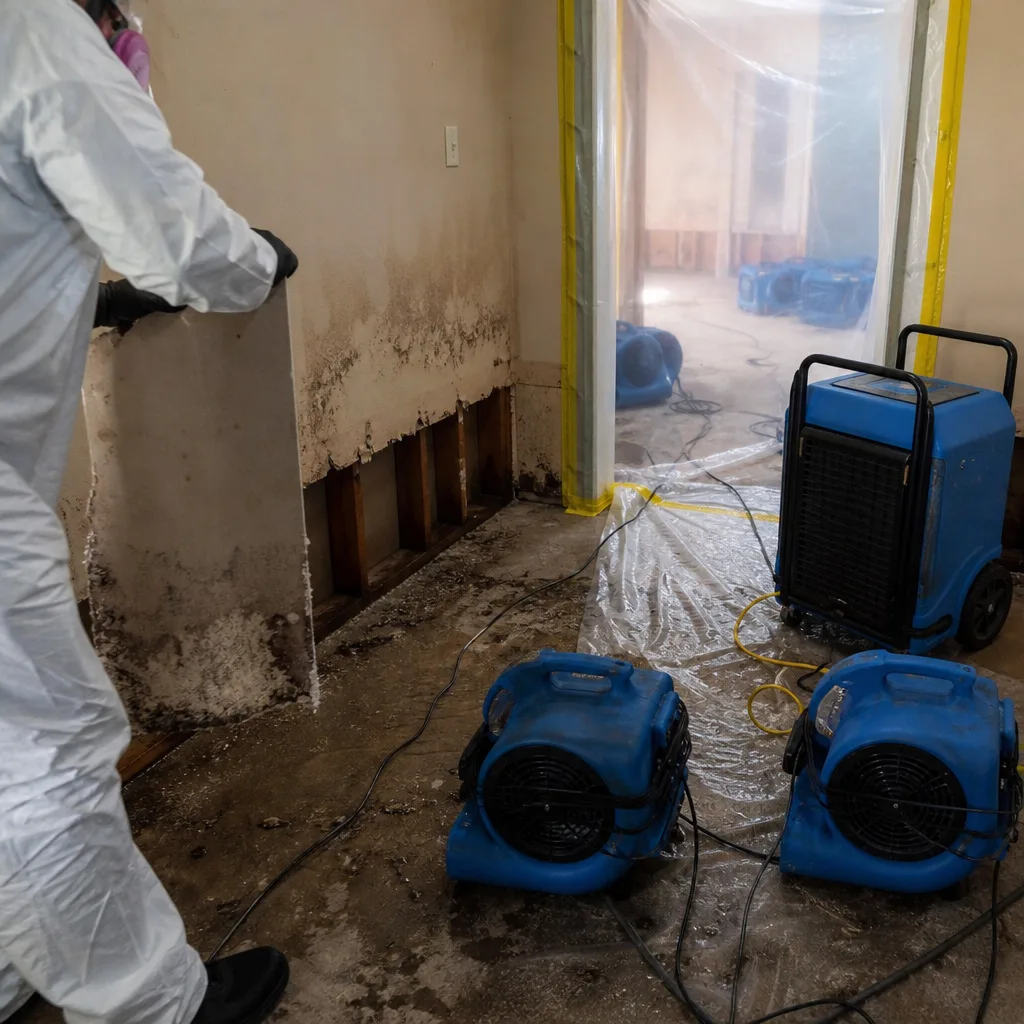 Before
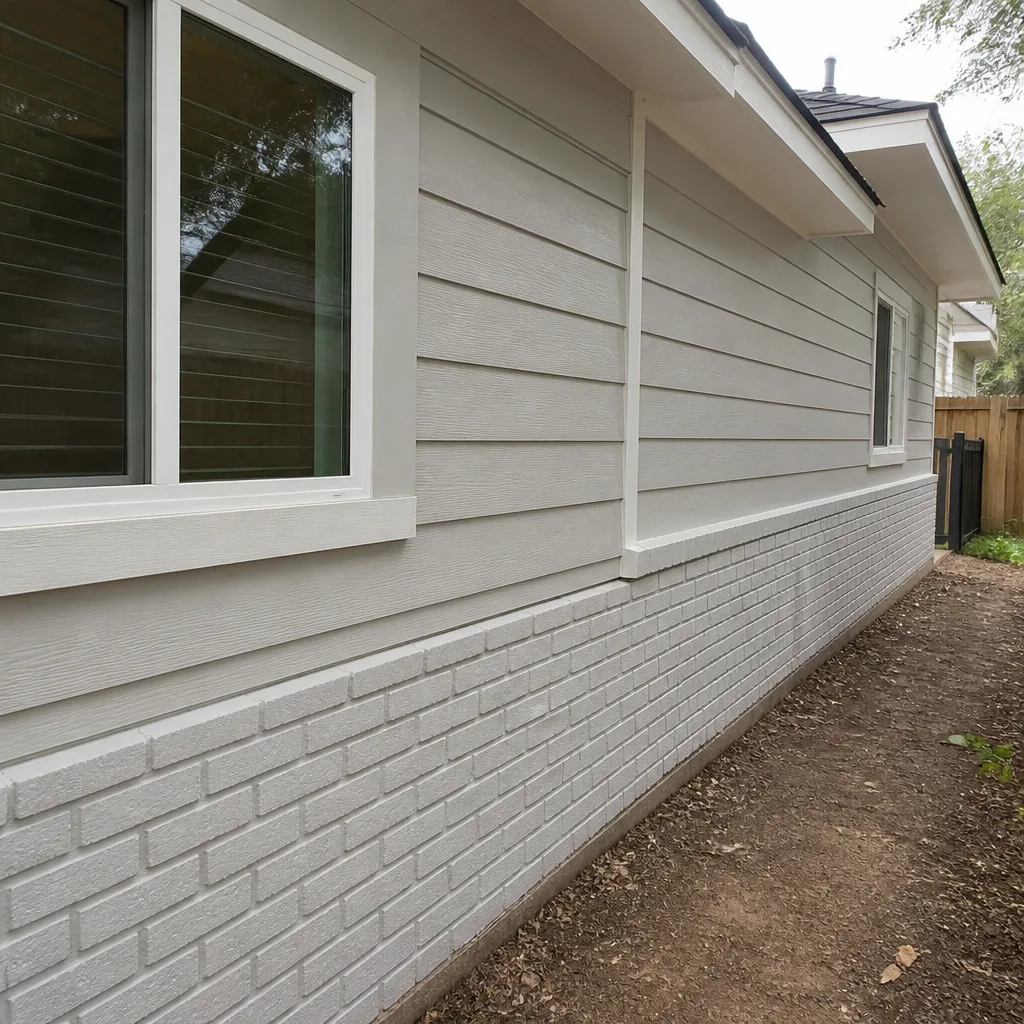 After
After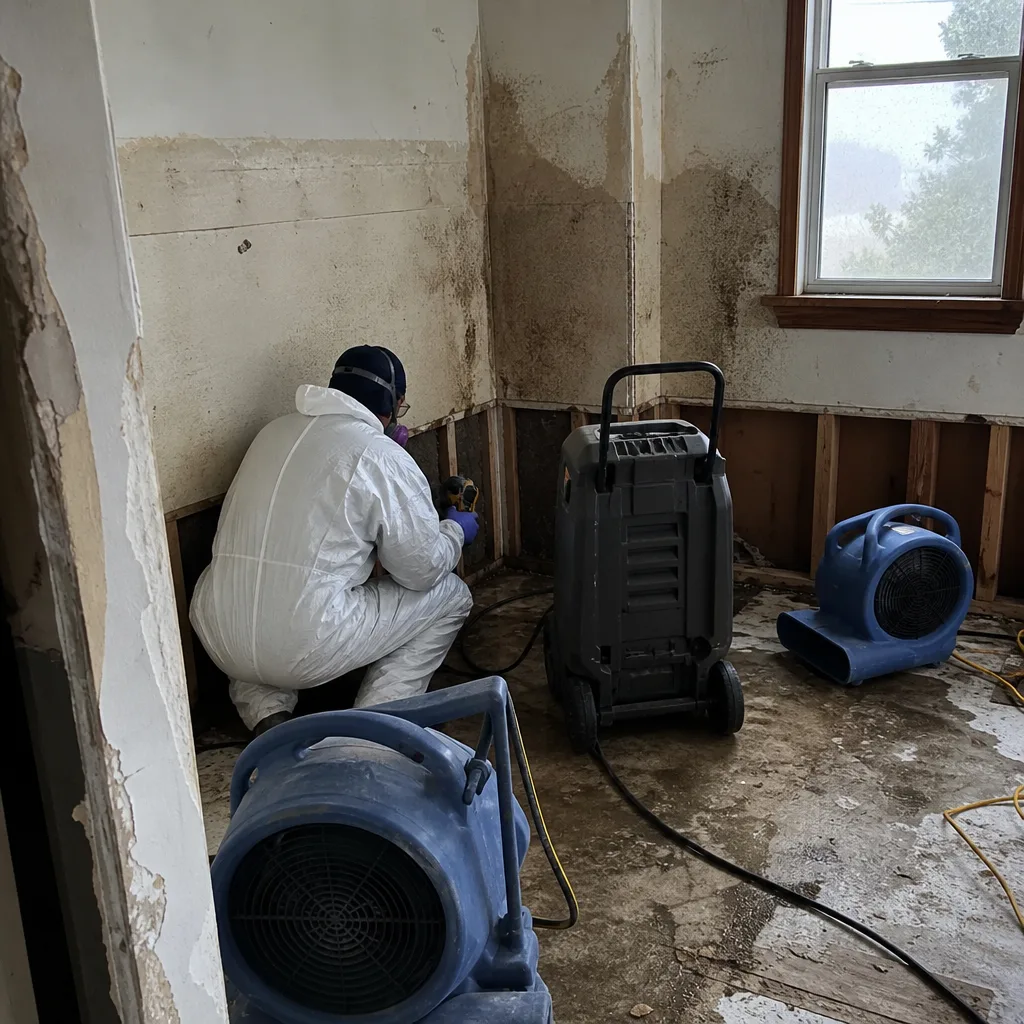 Before
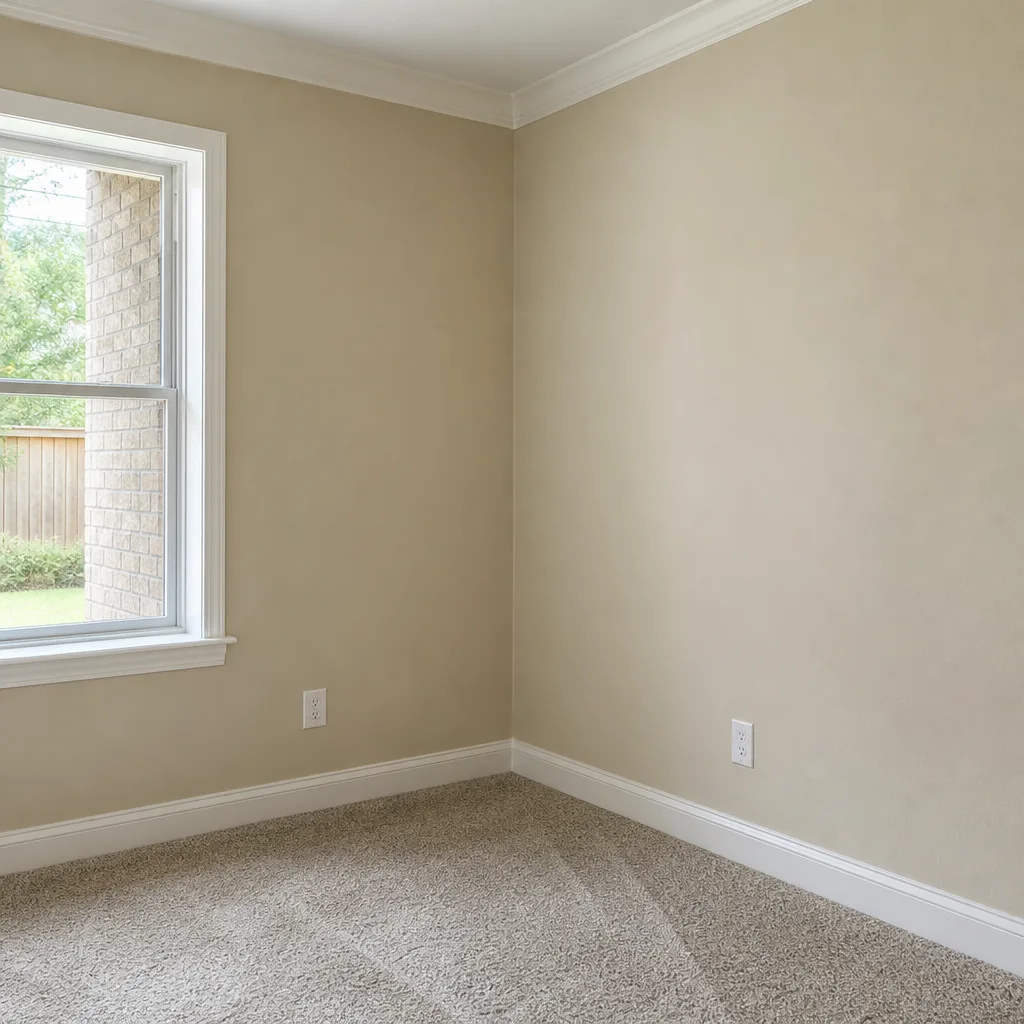 After
After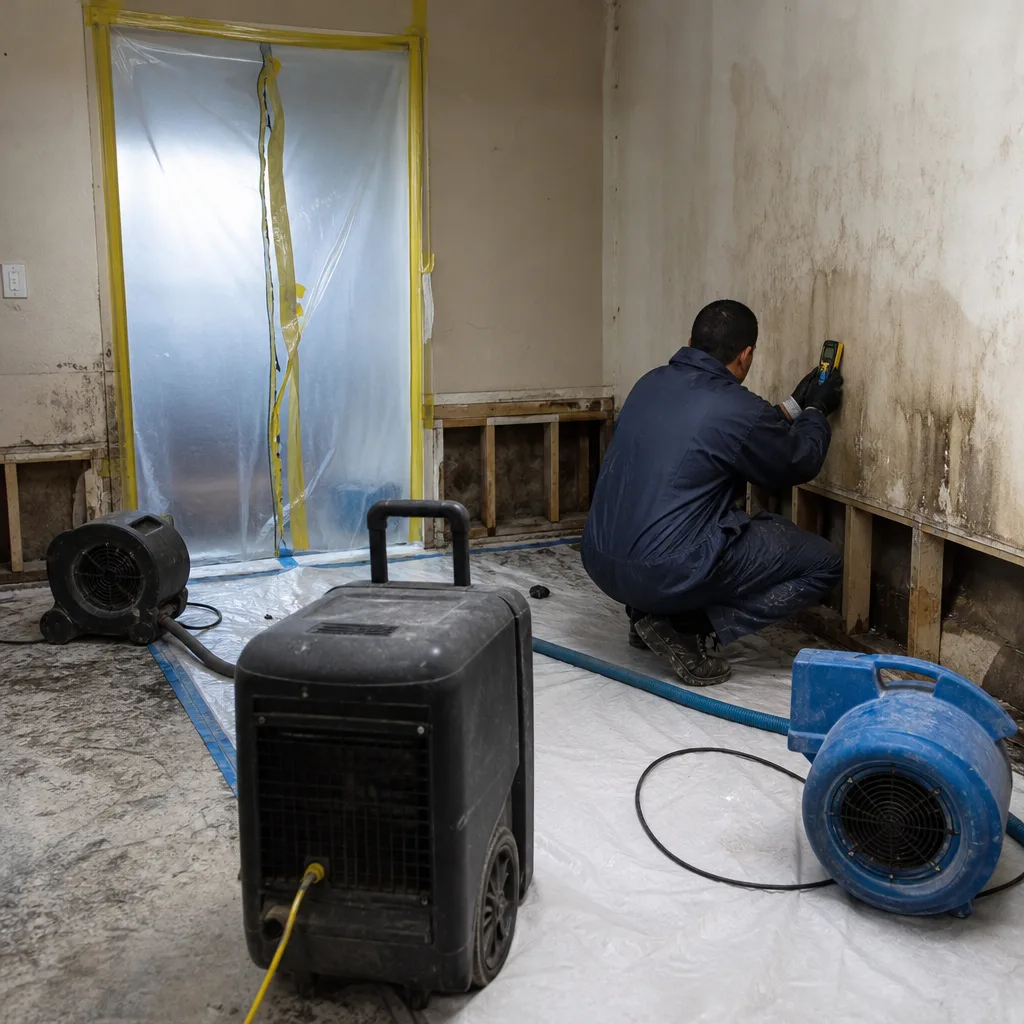 Before
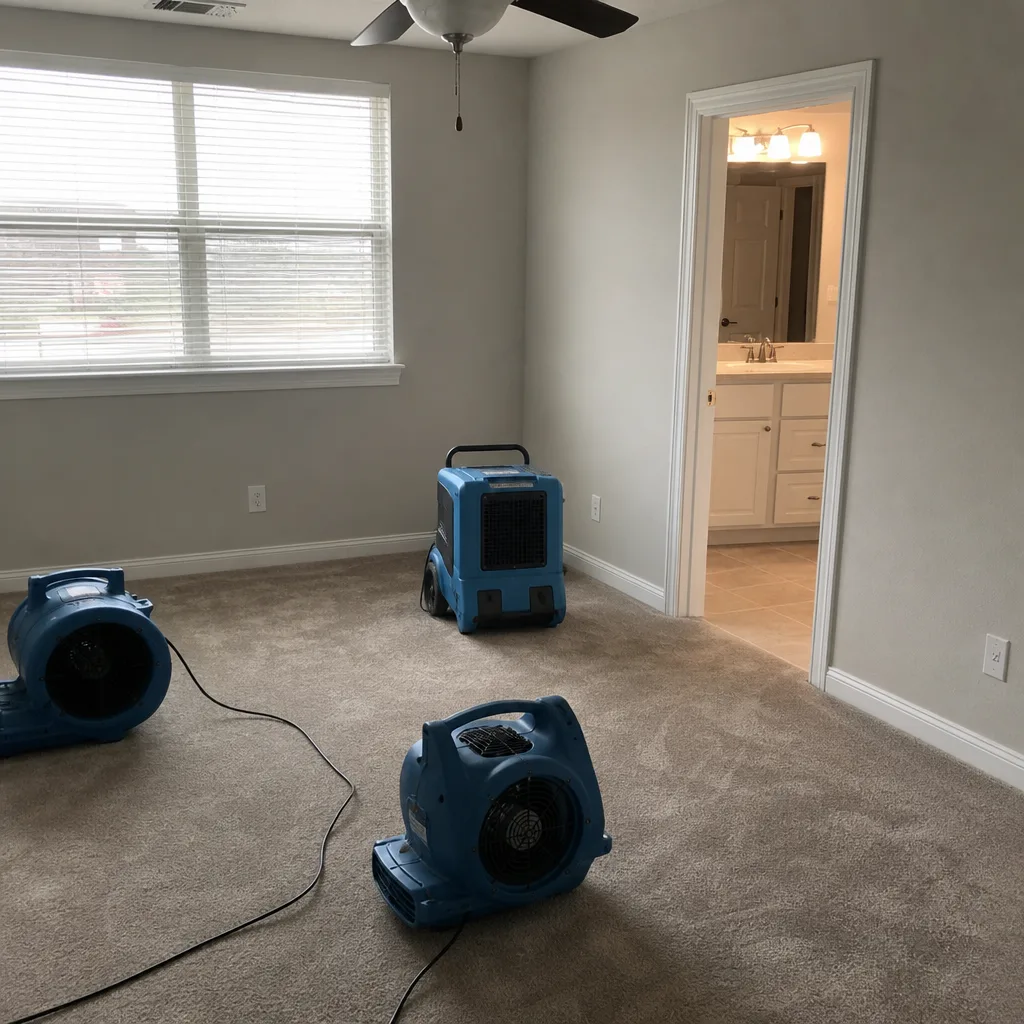 After
AfterStructural Drying & Dehumidification in Houston, TX
Water Damage Restoration in Houston typically costs between $1,800 and $4,500 for structural drying and dehumidification on a standard single-room water event, usually completed within three to five days. The goal is simple: pull moisture out of building materials like drywall, subfloor, and framing before mold takes hold and before materials lose their structural integrity. At Keegan Restoration Houston, we run every drying job to The Garrison Standard: a written price before we start, professional-grade equipment from Dri-Eaz, Phoenix, and XPOWER, and a full-year written guarantee on the result.
If you’re dealing with standing water, a supply-line break, or a slow leak that’s been soaking into the walls for days, this is the service that prevents a $4,000 water problem from becoming a $25,000 rebuild. You can reach us at (325) 550-1783 any hour; a live person answers the phone. For the full scope of what we handle, see our Water Damage Restoration in Houston page.
When You Need Structural Drying & Dehumidification
Not every water event requires professional structural drying. A small spill on tile you catch immediately? A towel and a fan will handle it. But Houston’s humidity changes that math fast. The city averages over 70% relative humidity most months, which means wet drywall and subfloor don’t air-dry on their own; they hold moisture and feed mold. Here are the situations where structural drying is the right call:
- Water sat for more than a few hours. If a pipe leaked while you were at work all day, moisture has already migrated into drywall, baseboards, and the sill plate. Surface drying won’t touch it.
- You can see drywall swelling, bubbling, or discoloring. That means the gypsum core is saturated. Once drywall swells, it rarely returns to form; the question becomes whether it can be dried in place or needs cutting and replacement.
- The floor feels soft or spongy. Subfloor that’s absorbed water will flex underfoot. In pier-and-beam homes common in neighborhoods like The Heights and Montrose, trapped moisture between the subfloor and crawlspace is a persistent issue after a leak.
- You smell something musty but can’t locate the source. That’s often moisture trapped inside wall cavities or under cabinetry. It won’t resolve on its own, and the longer it sits, the more likely microbial growth becomes.
- Water travelled into adjacent rooms. Water follows the path of least resistance, which in Houston slab homes often means it runs under the baseplate and wicks into adjacent wall cavities. Even rooms with no visible water can be drying candidates.
- You filed or plan to file an insurance claim. Carriers want documentation, and proper drying logs, moisture maps, and equipment placement records are part of a claim that gets approved without back-and-forth. We document every reading and format it to support your claim.
If any of these sound familiar, the sooner drying starts, the less material gets cut out and replaced. Call (325) 550-1783 and we’ll give you a straight answer on whether structural drying is necessary for your situation.
Our Structural Drying & Dehumidification Process
We work to a written standard on every job. No guesswork, no “we’ll see how it goes.” Here’s the sequence, step by step:
- Scope of loss. We inspect the affected area, map moisture content in walls, floors, and ceiling cavities using professional moisture meters, and identify the perimeter of the damage. This scope tells us exactly how much drying capacity the structure needs, and it’s the foundation of the written price you get before any equipment gets placed.
- Extraction of standing water. If there’s any free water remaining, we remove it with professional extraction units before drying starts. You can’t dry a structure that’s still feeding moisture into the air. Extraction removes the bulk; drying handles the rest.
- Equipment placement and containment. We set up professional-grade air movers and dehumidifiers. Depending on the layout, that means Phoenix or XPOWER axial air movers directed at walls and floors, paired with low-grain refrigerant or desiccant dehumidifiers sized to the space. We contain the affected area when needed so humidity doesn’t spread to unaffected rooms while drying is underway.
- Daily monitoring and psychrometric readings. This is the part most contractors skip. Drying is measured, not guessed. We return daily to record temperature, relative humidity, and moisture content of affected materials, and adjust equipment placement based on what the readings show. Psychrometrics just means the science of how air and moisture interact; in practice, it means we know when the job is actually dry, not approximately dry.
- Final verification and documentation. Once moisture content readings confirm structural materials are back to their dry standard, we remove equipment and give you the full drying log: starting moisture content, daily readings, equipment used, and final dry standard. This documentation is formatted to support your insurance claim and is yours to keep.
Every step is governed by The Garrison Standard, and every repair we make after drying is backed by the 365-Day Done Right Promise: if it’s not done right, we make it right, in writing, at no charge, for a full year.
Structural Drying & Dehumidification Pricing in Houston
How Much Does Water Damage Restoration Cost? (2026 Price Guide) - Houston, TX varies by square footage affected, how long the water sat, and the material mix in your home. Here are honest ranges based on the jobs we run across the metro, from Katy to Kingwood to League City:
| Scope | Typical Houston Price Range | Typical Timeline |
|---|---|---|
| Single room, water caught quickly (under 6 hours) | $1,800 – $2,700 | 3 – 4 days |
| Two to three rooms, water sat overnight | $2,800 – $4,200 | 4 – 5 days |
| Multi-room or whole-floor event, saturated subfloor | $4,500 – $8,000+ | 5 – 7 days |
| Drywall and baseboard removal included (when materials can’t be saved) | Add $600 – $2,200 depending on linear feet and ceiling height | Added to drying window |
What drives the number up or down: how long water had to migrate into materials, whether walls are insulated (insulation holds water), ceiling height, accessibility of crawlspaces or attic spaces, and whether demolition is required before drying can start. We also dry hardwood floors with specialized drying mats from Injectidry when the floor can be saved, which adds material-specific cost but is far cheaper than full floor replacement.
You’ll have the written price before any work starts; it never moves at the door. Estimates are free. Call (325) 550-1783 and we’ll send a technician to scope the loss and put the number in your hands in writing.
FAQs – Structural Drying & Dehumidification
How long does structural drying take in Houston?
Most structural drying jobs in Houston complete in three to five days, assuming water was caught within a day or two and the affected area is properly contained. Houston’s humidity is the wildcard; supply-line breaks caught the same day often dry in 72 hours, while slow leaks that saturated slab subfloor for two weeks can take seven days or more. We track daily moisture readings and don’t remove equipment until the numbers say the structure is dry, not just when the calendar says it’s “likely” dry. Call (325) 550-1783 to have a technician scope your specific situation; estimates and scoping are free.
Is it cheaper to dry a wall or replace it?
Drying is almost always cheaper than replacing drywall, baseboards, and insulation, but the deciding factor is whether materials have already begun to break down. Drywall that’s swollen, crumbled, or been wet for more than 48 to 72 hours typically costs less to cut out and replace than to dry in place, especially once Houston humidity is factored in. That math is part of our scope of loss: we’ll tell you plainly when drying makes sense and when replacement is the smarter spend.
Can I just run fans and a household dehumidifier?
Household dehumidifiers pull maybe 20 to 30 pints of water per day from the air; professional low-grain refrigerant and desiccant units used in IICRC-standard drying pull 100 pints or more, and the air movement from professional axial fans moves air across surfaces at a rate box fans simply can’t match. The bigger issue is measurement: without moisture meters in the walls and subfloor, you won’t know when the job is actually dry. We’ve walked into homes where homeowners ran fans for two weeks and still had 25% moisture content in the baseplate. If you’re considering DIY drying, call us first; we’ll tell you honestly whether a small fan setup is enough for your situation, and at what point you’re better off bringing in professional equipment.
Will my insurance cover structural drying?
Most homeowners policies cover structural drying as part of water damage mitigation when the cause is sudden and accidental, like a burst pipe or supply-line failure. Coverage for slow leaks and long-term seepage depends on your specific policy language. We document every drying job with starting moisture maps, daily readings, equipment logs, and final dry-standard verification, formatted to support your claim and reduce back-and-forth with your adjuster. Bring us your claim number and we’ll handle the documentation from day one.
Key Takeaways
- Structural drying in Houston costs $1,800 to $4,500 for most single-room to multi-room events, with the written price given before any work begins.
- Houston’s persistent humidity means wet drywall and subfloor won’t reliably air-dry on their own; professional equipment and measurement matter.
- Every Keegan Restoration Houston job is backed by the 365-Day Done Right Promise, in writing, for a full year.
- We document every reading and every piece of equipment used, formatted to support your insurance claim.
- A live person answers (325) 550-1783 24/7, including nights, weekends, and holidays.
Call Keegan Restoration Houston for Structural Drying in Houston
When you need Water Damage Restoration Near Me in Houston, TX, every hour water sits in the structure of your home adds cost and subtracts options. We show up inside the window we give you. We put the price in writing before we start. We do the job by the book, leave the site clean, and stand behind the work for a full year. That’s The Garrison Standard, and it’s how we’ve run every job since joining the Garrison Partners family in 2005.
If you need structural drying and dehumidification in Houston, call (325) 550-1783 now for a free estimate. A real person will answer.
Written by Shane Pruitt, Owner at Keegan Restoration Houston, serving Houston.