
Last updated October 16, 2026
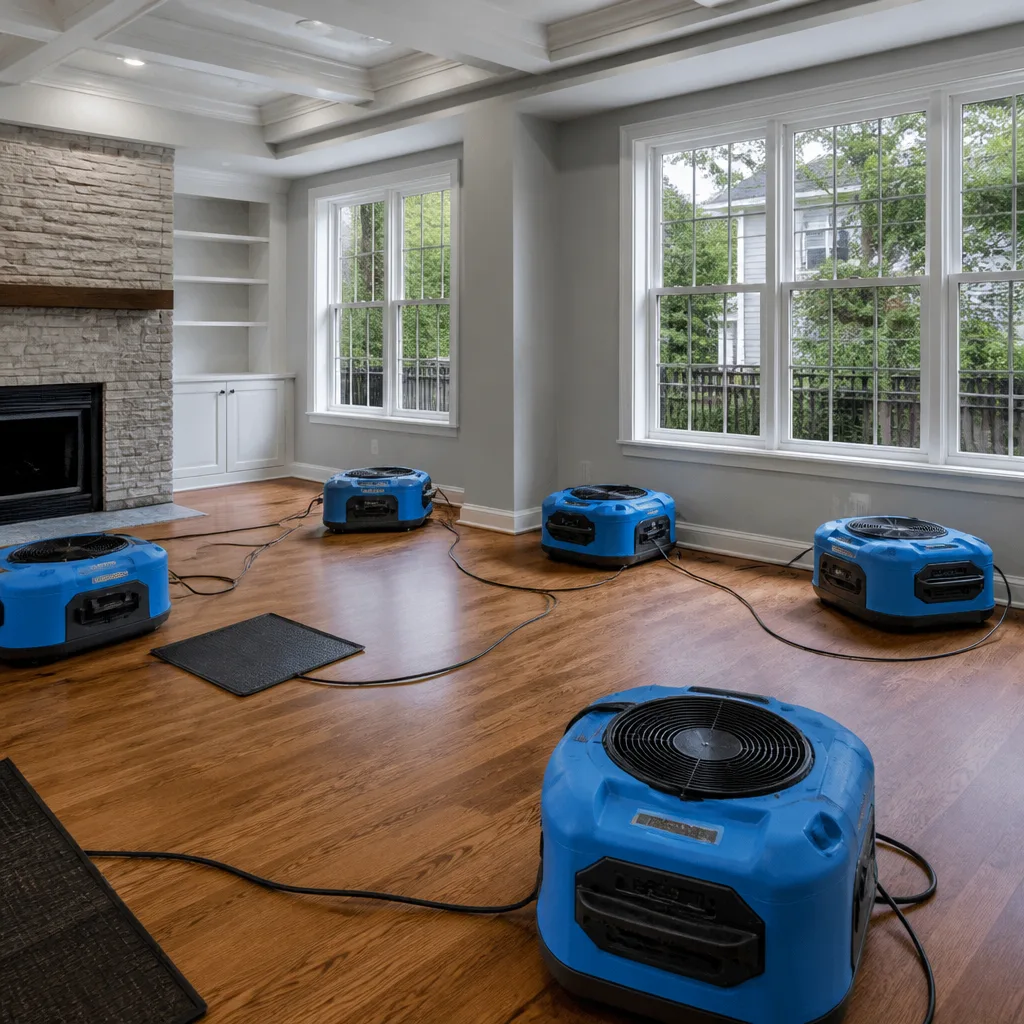 Water damage drying
 Fire & smoke cleanup
 Mold remediation
 Storm response
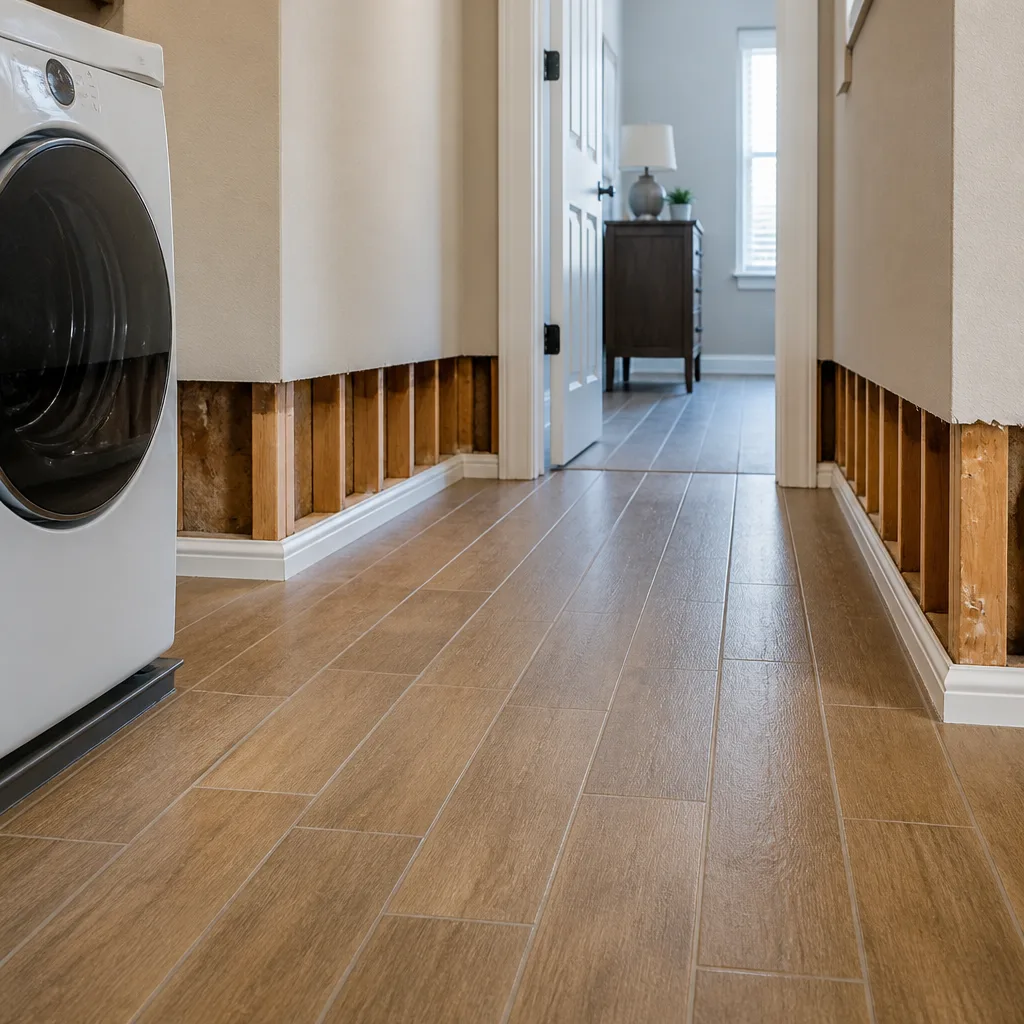 Sewage cleanup
 Reconstruction
Free visual inspection and a written scope of work before any mitigation begins - photos, moisture readings, and drying logs go in your claim file
The scope we write is the scope we bill. Anything new gets shown to you, in writing, before we touch it.
Get your free estimateSeasonal Damage Restoration Care for Houston: Year-Round Homeowner’s Guide
Houston homeowners who follow a standard four-season home maintenance calendar are preparing for the wrong disasters at the wrong times. The city’s actual damage calendar runs June through November for wind and water, with a concentrated freeze-pipe risk in a narrow December-to-February window that gets ignored all summer. This guide breaks down what actually damages homes in Houston, when each threat peaks, and the specific checks that catch problems before they turn into restoration jobs. For a deeper dive, see The Complete Guide to Damage Restoration in Houston. You’ll learn a Houston-specific seasonal schedule, what to document for insurance, and when a professional assessment saves you real money.
Quick Answer
A Houston seasonal damage prevention schedule should be organized around four reality-based phases: hurricane and flood readiness from June through November, freeze-pipe defense from December through February, post-winter soil and HVAC checks from March through May, and continuous humidity control year-round. The most effective protection is a pre-loss documentation habit paired with those seasonal checks, so any claim has clean before-and-after records. For a detailed seasonal framework, see our Water Damage Restoration Maintenance Checklist for Houston Homeowners. Keegan Water Damage Restoration handles all three damage categories this guide covers: water, fire, and mold.
Restoration work we handle
Table of Contents
- Houston’s Real Damage Calendar
- June – November: Hurricane and Flood Readiness
- December – February: Freeze-Pipe Defense
- March – May: Post-Winter Soil and HVAC Checks
- Year-Round Humidity: The Mold Variable
- Building a Pre-Loss Documentation Habit
- Common Mistakes to Avoid
- When to Call a Professional
- Frequently Asked Questions
Houston’s Real Damage Calendar
Houston doesn’t have four seasons. It has four damage modes. The Gulf of Mexico drives the dominant pattern: a six-month stretch where tropical systems and stalled fronts dump water faster than drainage can move it, followed by a short window where cold air from the plains catches Houston’s housing stock under-insulated. Then comes the wet-season aftermath, when clay soils that swelled all winter shrink and shift as temperatures climb. And underneath all of it, relative humidity stays high enough year-round to support mold growth any month of the year.
What this means practically: a pre-storm roof check in late May is worth more than a spring “deep clean” ritual, and a January pipe inspection matters more than raking leaves nobody has. Here’s what actually drives restoration calls in Houston, month by month:
- June – November: Hurricane wind damage, roof leaks, flash flooding, storm sewer backup, water intrusion through window seals and door thresholds
- December – February: Burst pipes in exterior walls, attic pipe failures, water heater ruptures, freeze-related HVAC drain line cracks
- March – May: Foundation cracks from soil shrinkage, AC condensate overflow, termite activity, drywall cracks from structural movement
- Year-round: Mold growth in bathrooms, attics with poor ventilation, under-sink cabinets, and any wall cavity that’s had a prior leak
We’ve worked restoration jobs in every part of Houston, and the pattern holds: the disaster that hits a home is rarely the one the homeowner was preparing for. The fix is a calendar that matches Houston’s actual threat sequence. That’s what the rest of this guide provides.
For a deeper look at how these seasonal threats turn into restoration work, see our Water Damage Restoration in Houston guide.
June – November: Hurricane and Flood Readiness
Hurricane season in Houston runs from June 1 through November 30, and the threats come in three layers. Wind tears off shingles and flashing, opening roofs to water intrusion. Storm surge and flash flooding push water against foundations and through any opening at or below grade. And the sheer volume of rain overwhelms drainage, turning streets into temporary rivers that back up into homes through floor drains and sewer connections.
The pre-storm inspection checklist below catches the failures most often cited in Houston hurricane claims. Run it in late May, then again in August before the peak of the season.
- Roof inspection: Check for lifted or curling shingles, cracked flashing around vents and chimneys, and any area where granule loss is visible from the ground. Pay special attention to roof valleys, where water concentrates during the heavy rain bands that ride through after the eye passes.
- Window seal audit: Walk each window and press gently on the glass from inside. Movement means the seal has failed. Failed seals let wind-driven rain penetrate the wall cavity, and that water sits in the wall long before it shows up as a stain on the drywall.
- Door threshold check: The gap under an exterior door should be no more than 1/4 inch. Anything larger, combined with wind-driven rain at 40+ mph, forces water inside during a storm. A threshold cap and a new sweep cost under $50; the average water intrusion claim from a failed threshold runs well into four figures.
- Drainage clearance: Clear leaves and debris from all roof valleys, gutters, downspouts, and any storm drain within 20 feet of the foundation. Houston’s flat topography means water doesn’t run away on its own. It needs a clear path.
- Flood barrier readiness: Pre-cut plywood or commercial flood barriers for all openings below your flood zone elevation. Store them where they can be deployed in under 30 minutes. Identify the main power shutoff and know how to cut power if water approaches the electrical panel.
- Sump pump test: Pour 5 gallons of water into the sump pit and confirm the pump cycles on and evacuates. In Houston, the difference between a working and failed sump pump is often the difference between a wet carpet and a full interior flood.
One documentation note that matters when you file a claim: photograph your roof, window seals, and drainage setup during this spring check. That pre-season record is your evidence that the damage happened during the named storm, not before it. Houston adjusters appreciate this, and it removes the most common dispute in wind and water claims.
For fire-related seasonal notes in the same wind season, see Fire Damage Restoration in Houston.
December – February: Freeze-Pipe Defense
Houston’s freeze risk is concentrated and intense. The city experiences occasional hard freezes when arctic air pushes south of the I-10 corridor, and the damage shows up in specific places: exterior walls that were never insulated to northern standards, attics where pipes run above the insulation (a common Houston configuration), and outdoor hose bibs that freeze first because they’re the first point of cold exposure.
The key threshold to know: 28°F. When the outside temperature drops to 28°F or below, uninsulated pipes in exterior walls and attics can freeze within a few hours. The National Weather Service issues hard freeze warnings at 28°F for a reason. Houston homes built before the 2000s often have zero insulation around pipes in these vulnerable locations, and even newer construction sometimes skips the pipe wrap in attic spaces.
Here’s the freeze protocol to run in November, then activate whenever the forecast drops below 32°F:
- Insulate exposed pipes: Wrap all pipes in attics, crawl spaces, and exterior walls with foam pipe insulation. Focus on the pipes that run along exterior-facing studs. In Houston, this is often a single Saturday afternoon job on a single-story ranch.
- Disconnect and drain exterior hoses: Remove every garden hose from its bib, drain the hose, and close the interior shutoff valve if one exists. Leave the exterior bib open so residual water can expand without cracking the pipe.
- Seal air leaks: Walk the exterior of the house and caulk any gap where pipes enter the structure. Houston’s freeze damage is often initiated by a cold air stream that comes through a deteriorated gasket or cracked caulk line. Sealing that gap is protection for the whole wall cavity.
- Identify your main water shutoff: Know where it is and confirm it turns freely. During a burst pipe event, the fastest way to stop the damage is to turn off the water at the main. Houston homes often have the shutoff at the street in a meter box, so confirm you can open that box and operate the valve.
- When a hard freeze is forecast: Leave cabinet doors open under kitchen and bathroom sinks, set the thermostat no lower than 65°F, and let faucets on exterior walls drip at a thin stream. The drip doesn’t prevent freezing, but it relieves pressure so that if a pipe does freeze, it’s less likely to burst.
A note on what we see in Houston specifically: burst pipes in exterior walls during a freeze rarely show up as a dramatic gusher. They start as a slow leak inside the wall cavity, which the homeowner discovers days or weeks later as a water stain, a musty smell, or a warped baseboard. That’s why “check for hidden leaks” belongs on the post-freeze list, not just before the freeze. Once temperatures recover above 40°F, spend 20 minutes walking the house with a flashlight looking for any new stain, bubbling paint, or soft drywall.
After any freeze event, a fast response is the difference between drying a contained area and replacing a wall. The Keegan team at Keegan Restoration Houston home answers live, around the clock.
March – May: Post-Winter Soil and HVAC Checks
Houston’s late winter and early spring bring soil movement that most homeowners don’t notice until it shows up as a crack in the wall or a door that stops latching. The clay soils common across greater Houston expand when wet and contract when dry. After a wet winter, the soil under your foundation is saturated and swollen. As spring warmth dries it out, the soil shrinks, and the foundation shifts. That shift is the root cause of the hairline cracks, sticking doors, and uneven floors that Houston homeowners notice each March through May.
Here’s the spring check that catches soil-related damage before it becomes a structural or moisture problem:
- Foundation crack inspection: Walk the exterior perimeter and look for new or widening cracks in the slab edge or brick mortar. Inside, check drywall corners above doorways and windows, where movement stress concentrates. A crack wider than 1/8 inch or one that changes width between seasons deserves a structural assessment.
- AC startup condensate check: Before the first hot stretch, run the AC for 30 minutes and check the condensate drain line and drip pan. A clogged line or cracked pan spills water inside the air handler closet or the ceiling below an attic unit. That water, in a dark warm space, is exactly where mold starts. Houston’s first heat wave each year generates a predictable wave of AC-related water damage calls.
- Gutter and downspout realignment: Soil settlement after winter can shift downspout extensions so they discharge water against the foundation instead of away from it. Check that every downspout extends at least 6 feet from the slab and that water flows away, not pooling.
- Landscape grade check: The ground around the foundation should slope away at 1 inch per foot for the first 6 feet. Wet-season erosion can flatten that grade, causing spring rains to run toward the foundation instead of away from it. Re-grade with fill soil if needed.
- Window and door seal recheck: Soil movement opens hairline gaps around window frames and door thresholds that appeared sealed just months earlier. Run the same seal audit from the hurricane prep list, because those small gaps are where wind-driven spring rain enters through capillary action.
One pattern we notice every spring in Houston: homeowners discover a “new” water stain on the ceiling and connect it to a recent rain, but the root cause is a condensate line that failed months earlier or a roof leak that began during the previous hurricane season and only now penetrated the ceiling finish. Tracking seasonal checks in one notebook or phone file makes the actual timeline clear, which matters when you’re describing the loss to an adjuster.
Year-Round Humidity: The Mold Variable
Houston’s average relative humidity runs between 70 and 80 percent most mornings, even on sunny days. That’s the backdrop for the only 24/7 threat in this guide: mold. Mold doesn’t need a hurricane or a burst pipe. It needs organic material (drywall paper, wood, carpet backing), a source of moisture, and time. Houston’s humidity provides the moisture baseline, which means any elevated indoor moisture event, from a slow AC drip to a condensation-prone bathroom wall, tips a home into growth territory within 48 to 72 hours.
Here’s the indoor humidity target Houston homeowners should hold to, year-round:
- 45 – 50% relative humidity throughout the house, measured with a basic hygrometer (about $15 at a hardware store). This is slightly lower than the 60% sometimes cited for drier climates, because Houston’s outdoor moisture load is already so high. At 60% indoor RH, mold can begin growing on surfaces in as little as 48 hours.
- Below 50% in the attic, which means checking that attic ventilation is actually moving air. Many Houston homes have soffit vents that were painted over or blocked by insulation, leaving the attic at 70% RH on a humid spring day.
- Bathrooms should drop below 50% within 30 minutes after a shower ends. If yours doesn’t, the exhaust fan isn’t pulling enough air, and the bathroom ceiling and walls are continuously exposed to condensation.
The most common Houston-specific mold hotspots we see: closets against exterior walls (the wall stays cool, condensation forms on the drywall, mold follows), AC supply plenums in the attic (condensation from humid attic air meeting cold ductwork), and the underside of kitchen and bath sinks (slow leaks that go unnoticed for months). The fix for each is the same pattern: find the moisture source, dry the affected area, and remove or treat any visible mold growth.
The Mold Remediation in Houston guide covers what removal looks like and when professional-grade drying makes sense.
Building a Pre-Loss Documentation Habit
The single most valuable habit a Houston homeowner can build into a seasonal maintenance routine is also the one almost nobody has when a claim is filed: pre-loss documentation. When a storm, freeze, or hidden leak causes damage, the insurance adjuster asks a simple question: what did this area look like before the event? If you can’t answer with dated photos and a written record, the claim is argued from a weaker position.
Here’s a simple documentation habit that takes 15 minutes per season and pays off disproportionately when something goes wrong:
- Date-stamp your photos. Use a phone camera with location metadata enabled. Shoot wide shots that show the overall condition of each room, then close-ups of known vulnerable areas: the roof from two angles, window seals, under sinks, the AC drip pan, the water heater closet, and any wall or ceiling area that has previously been repaired.
- Keep a one-page written log. Note the date, what you inspected, what you found, and what you fixed. A spiral notebook works. The log doesn’t need to be elaborate; it needs to exist and be date-ordered.
- Photograph any repair work. If you caulked a gap, replaced a threshold, or wrapped pipes, photograph the before and after. That record shows an adjuster two things: you performed maintenance, and the area was in good condition at the time of the photo.
- Photograph the “after” once the repair is done. The goal is a clean before-and-after record of your home’s condition through each season. When a named storm or freeze event causes damage, you pull the most recent seasonal photos and give the adjuster an unambiguous baseline.
Insurance claims are won and lost on documentation. The homeowners who have a clean seasonal record get their scope of loss approved faster and with less friction. The ones who don’t spend weeks justifying what “good condition” looked like. This habit costs nothing and takes a quarter-hour per season.
Common Mistakes to Avoid
- Preparing for the wrong season’s disaster. Houston homeowners who spend April on “winterization” tasks and ignore roof and window checks until September have the calendar upside down. The freeze window is December through February; the hurricane window is June through November. Sequence your checks to the actual threat calendar.
- Ignoring the 28°F threshold. Many Houston residents assume freeze damage is a northern problem and don’t wrap pipes or drip faucets until a hard freeze warning hits, by which point the hardware store is sold out and the damage is already underway. If the forecast shows 28°F or below, the prep should already be done.
- Running an AC condensate check only once per year. Houston’s cooling season runs March through November in practice, which means the condensate line has nine months to accumulate biological growth. A line that flowed in April can clog by August. Check it at the start of the cooling season and again in mid-summer.
- Treating every crack as cosmetic. Hairline drywall cracks above doorways are often written off as settling, but in Houston those cracks are frequently the first sign of foundation movement from clay soil cycles. If a crack changes width between seasons, or if a door that latched in January won’t latch in May, get a structural opinion.
- Failing to photograph pre-storm conditions. After a hurricane or flood event, the adjuster asks what the roof, windows, and foundation looked like before the storm. The homeowner with May-dated photos showing an intact roof and sealed windows is in a far stronger position than the one who has to argue from memory.
- Waiting for a water stain to dry on its own. In Houston’s humidity, water inside a wall cavity doesn’t dry; it incubates. A small leak behind drywall becomes a mold colony within days. The fix costs exponentially more once growth begins. If you can see a stain, the event has already been underway for some time.
- Keeping the house below 65°F during a freeze to save energy. The money saved on the electric bill is dwarfed by the cost of a burst pipe in an exterior wall. During a hard freeze, the interior needs to stay warm enough to keep wall cavities above freezing.
When to Call a Professional
Some conditions you can correct with caulk, pipe wrap, and a $15 hygrometer. Others need professional attention, and waiting on those turns a repair into a restoration. Call a professional when you find: water staining on a ceiling with no clear source (roof leak or condensate failure inside a wall cavity), a musty smell that persists after cleaning, any visible mold growth larger than a dinner plate (the EPA’s threshold for professional remediation), a foundation crack that has widened between seasons, or water entering through multiple windows or doors during a normal rain storm. Any of these signals indicates moisture where it doesn’t belong, and in Houston’s climate the correction clock is measured in days, not weeks. Keegan Restoration Houston offers free estimates in Houston. Call (325) 550-1783 and we’ll assess the situation in writing.
Frequently Asked Questions
Water damage restoration in Houston typically runs $1,200 to $4,500 for a contained leak with drying, and $4,000 to $12,000+ when the damage requires drywall replacement and structural drying. For a full breakdown of pricing factors, see our Damage Restoration Cost Breakdown: The Houston Homeowner’s Reference for 2026. The range depends on the square footage affected, the water category, and whether mold has begun. Keegan’s written price is delivered before any work starts, so you’ll know the actual number before committing. Call (325) 550-1783 for a free estimate.
In a water emergency, same-visit or next-morning response is realistic from a Keegan crew, with a live person answering the phone 24 hours a day, every day. For non-emergency assessments, we schedule inside a specific arrival window. In Houston’s climate, the first 48 hours after water exposure determines whether drying or demolition is required, so speed matters.
Standard HO-3 policies in Texas cover sudden and accidental water damage, including burst pipes and storm-related wind damage, but generally exclude flooding from rising water unless you carry a separate flood policy. Gradual leaks that occurred over weeks or months are also often excluded as maintenance issues. Documenting your seasonal checks helps demonstrate that the loss was sudden, not neglected.
Keep indoor relative humidity at 45 – 50% year-round in Houston, and below 50% in the attic and bathrooms. At 60% or higher, mold can begin growing on drywall and wood surfaces within 48 to 72 hours. A basic hygrometer costs about $15 and tells you what your actual levels are.
Mold growth covering less than about 10 square feet (roughly a 3-foot by 3-foot area) can sometimes be cleaned with detergent and water if the underlying moisture source is fixed first, per EPA guidance. Larger areas, growth inside wall cavities or HVAC ducts, or mold caused by contaminated water should be professionally assessed. The key determinant is whether the moisture source is eliminated; if not, cleaning just removes the symptom temporarily.
Keegan Water Damage Restoration prepares every job with documentation formatted to support your insurance claim, including photos, moisture readings, and a written scope of loss. You handle the conversation with your adjuster, but the evidence package we provide is built to make that conversation as short as possible. Call (325) 550-1783 and we’ll walk through what documentation you need.
The Bottom Line
Houston’s damage threats follow a Gulf-driven calendar that doesn’t match any standard seasonal maintenance guide. Protect the roof and windows from June through November, defend the pipes December through February, watch the foundation and condensate lines March through May, and hold indoor humidity at 50% or below all year long. Build a 15-minute seasonal documentation habit so any insurance claim is backed by dated before-photos. When prevention fails, a restoration crew that puts the price in writing before starting work is the difference between a managed repair and a lingering problem. For more guides & resources on protecting your Houston home, explore our blog. Keegan Water Damage Restoration runs every job to The Garrison Standard: written price before work, background-checked uniformed technicians, professional-grade equipment from Dri-Eaz, Phoenix, XPOWER, and B-Air, and a full-year written guarantee on every repair.
Written by Shane Pruitt, Owner at Keegan Restoration Houston, serving Houston since 2005.
See the difference
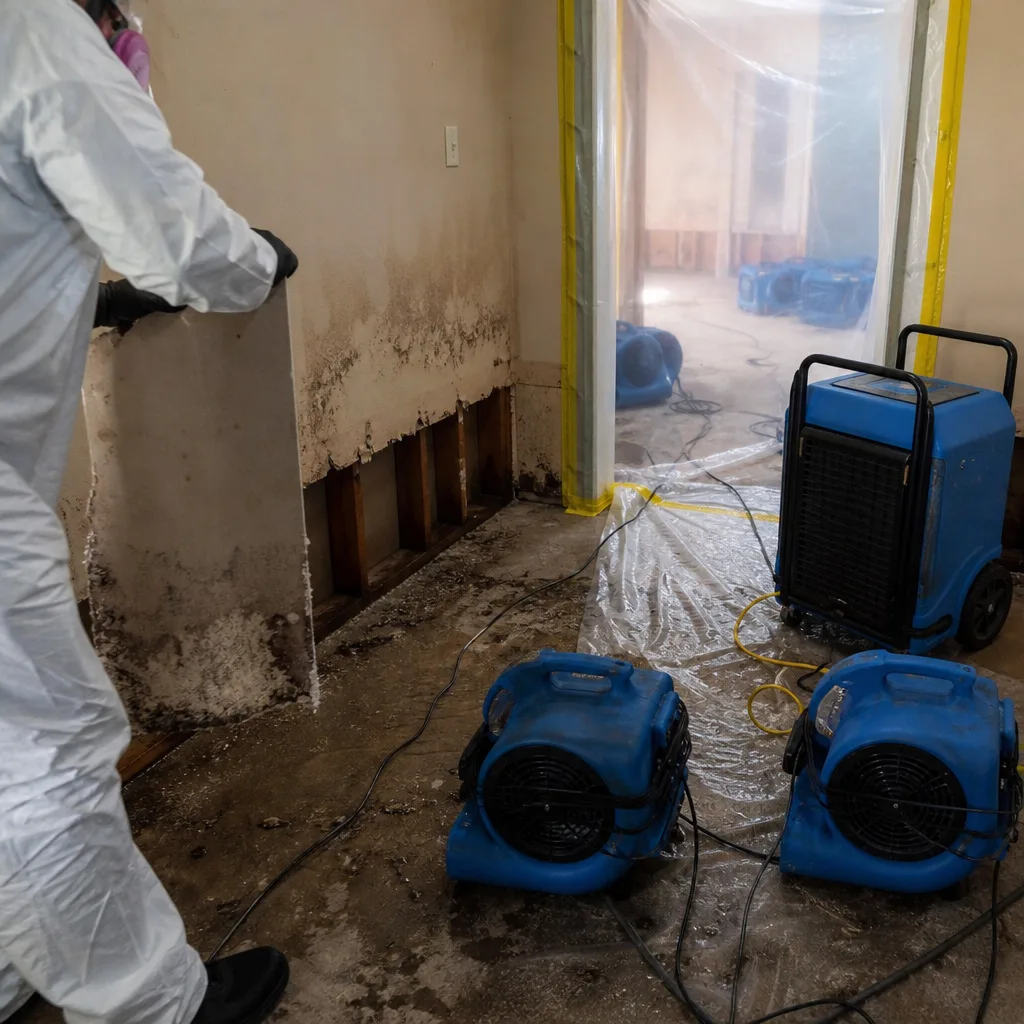 Before
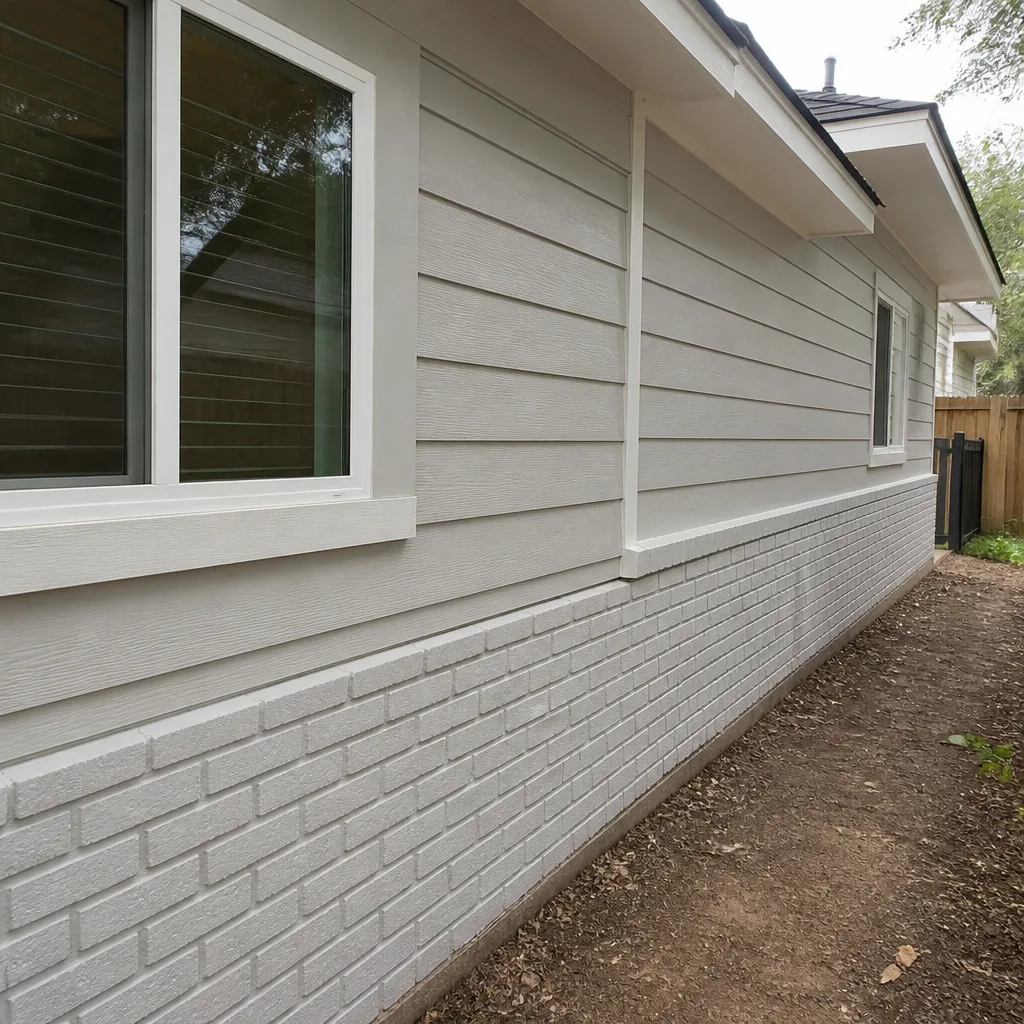 After
After Before
 After
After Before
 After
After