
Last updated October 16, 2026
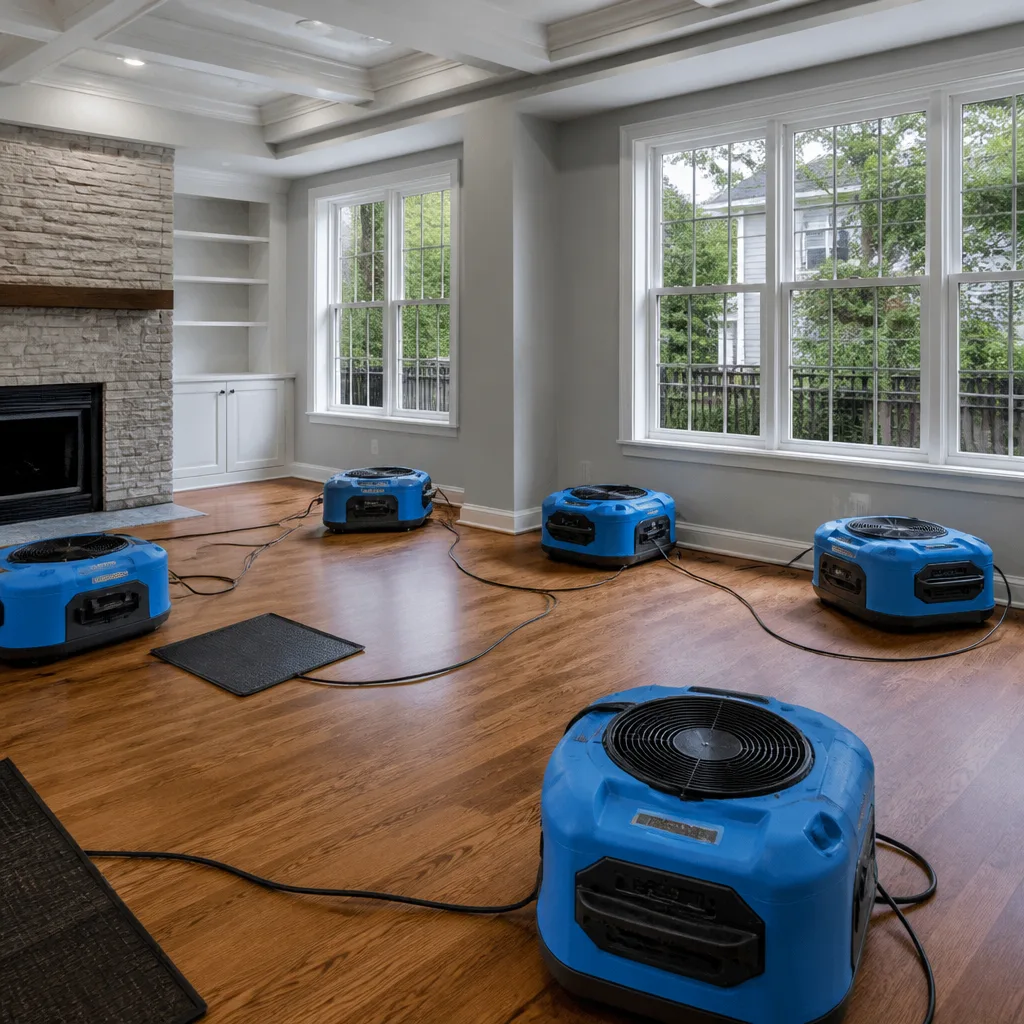 Water damage drying
 Fire & smoke cleanup
 Mold remediation
 Storm response
 Sewage cleanup
 Reconstruction
Free visual inspection and a written scope of work before any mitigation begins - photos, moisture readings, and drying logs go in your claim file
The scope we write is the scope we bill. Anything new gets shown to you, in writing, before we touch it.
Get your free estimateDamage Restoration Cost Breakdown: The Houston Homeowner’s Reference for 2026
The national average for water damage restoration gets cited as $3,000 to $7,000, and that number has done Houston homeowners a disservice for years. A single room with a slab leak, mold behind the baseboards, and flooring that has to come up rarely lands under $12,000 here before rebuild even starts. This guide breaks down what actually drives restoration pricing in Houston in 2026: labor rates during storm season, humidity-driven mold costs, insurance deductible math, and the documentation gap that separates a clean claim from a denied one. For warning signs Houston homeowners should watch for, see our companion reference. You’ll walk away knowing what a fair scope of loss looks like on paper and where your money actually goes.
Restoration work we handle
Quick Answer
Water damage restoration in Houston typically runs $3,500 to $9,000 for a contained single-room event without mold, $12,000 to $28,000 when mold remediation and flooring replacement enter the scope, and $35,000 to $90,000 for whole-home flood or fire events. Fire damage restoration averages $15,000 to $50,000 depending on square footage and smoke penetration. Mold remediation alone in Houston runs $1,800 to $6,500 for contained areas and $10,000 to $30,000 when it has spread through wall cavities and ductwork.
Table of Contents
- Line-by-Line Cost Structure: Where the Money Goes
- Why Mold Remediation Is a Near-Automatic Add-On in Houston
- How Storm-Season Demand Moves Houston Pricing
- Insurance Deductible Math: What You Actually Pay
- The Documentation Gap: What Denied Line Items Cost
- Fire Damage Restoration: Houston’s Separate Price Track
- What the Timeline Does to the Total
- Common Mistakes to Avoid
- When to Call a Professional
- Frequently Asked Questions
- The Bottom Line
Line-by-Line Cost Structure: Where the Money Goes
A restoration invoice looks nothing like a remodeling bid. Remodeling is mostly materials with some labor on top. Restoration is mostly labor and equipment hours with materials filling in around the edges. Understanding the line items before you sign anything is the single best way to avoid paying twice for the same work.
Here is what we actually write on scopes in Houston, with the range you should expect to see in 2026:
- Emergency extraction and water removal: $350 to $1,200 per room. This covers truck-mounted extraction units, initial sanitizing, and the first moisture map. Houston slab foundations mean water sits against drywall and wicks upward fast, so extraction is rarely a single pass.
- Drying equipment rental equivalent: $45 to $85 per day per air mover, $60 to $110 per day per dehumidifier. A typical single-room job runs four to six air movers and two dehumidifiers for three to five days. That is $900 to $2,200 in equipment alone, billed as a single drying line item rather than daily rental.
- Demolition and debris removal: $2.50 to $5 per square foot. Drywall, baseboards, insulation, and flooring all come out. Houston homes built before 1980 may require asbestos testing before demo, which adds $350 to $800 per sample area.
- Mold remediation (when applicable): $1,800 to $6,500 for contained areas under 50 square feet, $10,000 to $30,000 for wall-cavity and ductwork spread. We cover this in depth below because in Houston it is rarely a hypothetical.
- Rebuild and finish work: $8 to $18 per square foot for drywall, texture, paint, and trim. Flooring runs $4 to $14 per square foot depending on material. No restoration company’s estimate should ever be compared to a handyman’s labor rate; the rebuild codes in Houston require licensed trades for electrical and plumbing touched by water.
Labor rates in Harris County run $75 to $140 per hour for certified restoration technicians in 2026, up from $60 to $100 five years ago. The trades doing rebuild work, electricians and plumbers especially, run $95 to $165 per hour. If your quote breaks out labor separately, those are the honest ranges. If it does not, ask for the breakout.
One structural note for Houston specifically: pier-and-beam homes in the Heights, Montrose, and Garden Oaks often hide water under the house for days before anyone notices. Crawl space encapsulation and subfloor drying add $1,500 to $4,500 to a scope that a slab home would never need. That is Houston-specific math that national cost guides simply do not carry.
We run every scope against the same standard: the price is put in writing before work starts, and it does not move at the door. That is The Garrison Standard, and it applies to every line item above. If a contractor will not put the line items in writing, the total number means nothing.
Why Mold Remediation Is a Near-Automatic Add-On in Houston
In drier climates, mold is a possibility. In Houston, mold is a timeline. The Gulf Coast’s average relative humidity runs 75% to 90% for most of the year, and once drywall gets wet, mold spores that are already present in every Houston home find ideal growth conditions within 24 to 48 hours. That is not an alarmist claim; it is what the psychrometrics of this climate dictate.
Here is the practical consequence. When water sits against drywall in a Houston home for more than 48 hours before extraction, the probability that mold has begun colonizing inside the wall cavity is high enough that most restoration companies will recommend remediation as part of the scope, not as an optional add-on. Our teams see this consistently in neighborhoods across the metro, from Katy to Clear Lake to Kingwood.
The cost difference between catching mold early and discovering it during demolition is substantial:
- Caught at inspection (before demo): $1,800 to $4,000 for a contained area. The remediation is surgical: containment barrier, negative air pressure, HEPA vacuuming, antimicrobial treatment, and post-remediation verification. The room is back under construction within a day.
- Discovered during demolition: $6,000 to $18,000 and up. Once drywall comes down and mold is visible through stud cavities, the containment area expands, the HVAC system may need cleaning ($800 to $2,500 for ductwork), and the rebuild schedule stretches by three to seven days. The homeowner pays for both the expanded remediation and the extended drying time.
Mold in Houston is not a sign of poor housekeeping. It is a sign that water sat too long before extraction. That is why response time matters more than almost any other variable in the eventual invoice total. A crew that arrives within hours, extracts immediately, and places drying equipment the same day often prevents the mold line item from ever appearing on the scope.
If mold is already present, mold remediation in Houston requires containment, air scrubbing, and post-remediation verification. A contractor who quotes mold removal as a spray-and-wipe job is not documenting to the standard your insurance adjuster will accept. We run containment and verification to IICRC standards on every mold scope, and the documentation is formatted to support the claim.
How Storm-Season Demand Moves Houston Pricing
Houston restoration pricing is seasonal in a way national guides ignore. From June through November, the metro sits in the Atlantic hurricane window, and every named storm in the Gulf triggers a run on restoration crews across Harris County and the surrounding counties. Demand spikes. Crew hours stretch. And the price of a same-week response can climb 20% to 40% above off-season rates.
That is not price gouging. It is basic capacity economics. The same certified technician who runs $90 per hour in February is fielding four competing job offers after a tropical storm, and restoration companies pay overtime and subcontractor premiums to answer every call. Those costs land somewhere, and in the unregulated corners of this trade, they land at the door as a surprise adjustment.
This is where a written, locked price changes the homeowner’s position. The Garrison Standard requires that the written price is delivered before any work starts, and it never moves at the door. That means a Houston homeowner who signs a scope on a Tuesday does not get a revised invoice on Thursday because three other jobs came in. The price in writing is the price. No exceptions.
Storm-season demand also affects the cost of delay. During a surge week, equipment gets scarce. Dri-Eaz dehumidifiers and Phoenix air movers cycle through jobs as fast as they come off the truck, and a homeowner who waits three days to call may find the drying equipment they need is on a job site in Pearland or Sugar Land instead. That delay translates directly into more demolition later. The cheapest day to call is the day the water appears.
Insurance Deductible Math: What You Actually Pay
Most Houston homeowners carry a 1% to 2% hurricane deductible and a flat $1,000 to $2,500 deductible for non-named-storm water claims. The math that confuses people is not the deductible itself; it is how the deductible interacts with the total claim value and what the carrier actually reimburses.
Work through a realistic Houston example. A slab leak in a 2,200-square-foot home wicks water through the kitchen and dining room, under the tile, and into two wall cavities. The full scope of loss including extraction, drying, demolition, rebuild, and flooring replacement comes to $18,000. The homeowner’s policy carries a $2,500 deductible. The carrier approves the claim for $15,500 in covered line items. The homeowner pays $2,500 out of pocket.
Now change one variable: the contractor’s documentation. The restoration company wrote a scope that says “dry out and repair affected areas” without moisture maps, without daily psychrometric readings, without photo logs, and without itemized equipment hours. The adjuster reviews the claim and denies the drying line items as insufficiently documented, cutting the approved claim to $11,000. The homeowner still pays the $2,500 deductible and now pays an additional $4,500 out of pocket for line items the carrier would have covered if the documentation existed.
The deductible is the floor, not the ceiling. What a homeowner actually pays depends heavily on what the carrier approves, and approval depends on the documentation standard. That is why we format every job’s documentation to support the insurance claim from day one: moisture maps, photo logs with timestamps, equipment logs, and daily readings. The paperwork is not an afterthought. It is part of the restoration.
For Houston homeowners navigating this for the first time, water damage restoration in Houston through a contractor who documents to insurance standards is not a premium service. It is the default that prevents the homeowner from paying twice.
The Documentation Gap: What Denied Line Items Cost
The most expensive line item on a Houston restoration invoice is often the one the insurance carrier refuses to pay. When a contractor documents the job poorly, the homeowner absorbs the denial. This is not a rare occurrence, and it is not a small-dollar problem. Denied drying and remediation line items on a typical Houston claim run $2,500 to $9,000.
Here is what insurance-grade documentation actually requires, and what it costs when it is missing:
- Moisture mapping: a room-by-room diagram showing affected areas and readings at intake, mid-drying, and completion. Without this, the carrier has no proof the water damage existed to the extent claimed. Typical denied amount: the entire drying line item.
- Equipment logs: daily records showing which units ran, where, and for how many hours. Without this, the carrier has no basis to approve the drying equipment line. Typical denied amount: $900 to $2,200.
- Photo documentation: before, during, and after images with timestamps. Without this, every demo and rebuild line item is vulnerable to adjuster reduction. Typical denied amount: 15% to 30% of the approved scope.
- Daily written readings: humidity and moisture content readings taken with professional meters and recorded. Without this, the carrier can argue the drying took longer than necessary. Typical denied amount: extended drying charges.
A contractor who does not document to this standard is not cheaper. He is shifting cost from his invoice to your bank account. We use professional-grade equipment from Dri-Eaz and Phoenix, and every job is recorded against IICRC, RIA, and IFA standards. The documentation goes to your adjuster formatted the way adjusters expect to see it. That is how a written scope becomes an approved claim instead of a dispute.
Fire Damage Restoration: Houston’s Separate Price Track
Fire restoration in Houston follows a different cost curve than water, and conflating the two produces bad expectations. Fire scopes run higher per square foot because the damage is never limited to the burn area. Smoke penetrates wall cavities, ductwork, insulation, and soft goods throughout the structure, and all of it requires treatment or replacement.
A contained kitchen fire in a Houston home typically runs $15,000 to $35,000 when it includes structure cleaning, smoke odor removal, surface preparation, and rebuild. A whole-home fire runs $50,000 to $90,000 and up depending on square footage and what survived. Smoke and soot cleaning alone runs $3 to $7 per square foot of affected area, and it is rarely optional: smoke residue is acidic and continues damaging surfaces long after the fire is out.
Houston’s climate adds one wrinkle. High humidity accelerates the corrosion of metal surfaces and the setting of smoke odor into porous materials. A fire in February leaves a longer window for cleaning than a fire in July, when the heat and humidity bake smoke residue into drywall and cabinets within days. Faster response means lower remediation scope.
For homeowners working through a fire scope, fire damage restoration in Houston requires the same documentation standard as water. The adjuster’s questions are identical: what was damaged, when did treatment begin, what was the condition before, and what does the completed work look like. A restoration company that treats fire jobs as demolition exercises is leaving claim value on the table.
What the Timeline Does to the Total
Every day of delay in Houston carries a dollar cost, and that cost compounds. A single-room water event that gets extraction and drying started within hours might close out in five to seven days at $3,500 to $6,000. The same event that waits 72 hours for response picks up mold, requires drywall removal instead of drying-in-place, and pushes the scope to $12,000 to $18,000. The contractor did not get more expensive. The damage got bigger.
A typical timeline for a mid-range Houston restoration in 2026 looks like this:
- Day 1: emergency response, extraction, containment, initial moisture mapping. Drying equipment is placed before the crew leaves.
- Days 2 through 4: daily monitoring, equipment adjustments, psychrometric readings. If readings trend correctly, drying completes.
- Days 5 through 7: demolition of unsalvageable materials, mold remediation if indicated, structural drying of exposed cavities.
- Days 8 through 14: rebuild begins: drywall, texture, paint, trim, and flooring. Scheduling trades in Houston often adds three to five days depending on demand.
- Days 15 through 21: final inspections, documentation submission to carrier, and closeout walkthrough.
Every day the start is delayed adds roughly 10% to 15% to the eventual total, not because prices rise but because the scope expands. This is the strongest argument for making the call the moment water appears. Our phone is answered by a live person 24 hours a day, every day, because a three-hour delay at 2 a.m. is cheaper than a three-day delay at noon.
For a broader look at how these processes work across the metro, start with the Keegan Restoration Houston home page, which lays out the full scope of services and standards.
Common Mistakes to Avoid
- Waiting to see if it dries on its own. In Houston humidity, it will not. Drywall and insulation that stay damp for 72 hours are mold candidates, and the remediation cost will exceed the drying cost every time.
- Comparing restoration bids like remodeling bids. A lower total with vague line items is not a better price. It is a worse scope. The cheapest restoration bid in Houston is often the one that gets supplemented three times before the job ends.
- Signing anything without a written price. If the number is not on paper before work starts, the number does not exist. The Garrison Standard exists because we have seen too many Houston homeowners handed a different number at the door.
- Filing a claim without documentation. The carrier owes you coverage, not trust. Every line item you claim needs a paper trail: photos, readings, logs. If your contractor will not provide them, you are paying for the gap.
- Ignoring the HVAC system after water or fire. Ductwork that stays damp or smoke-filled distributes the problem through the house. Duct cleaning and sanitizing runs $800 to $2,500 and is often the difference between a contained restoration and a recurring one.
- Choosing a contractor based on availability alone. After a storm, the crews with open schedules are open for a reason. The contractor you can reach today, with clear pricing and proper equipment, is worth more than the one who can start slightly sooner with no standard in writing.
When to Call a Professional
Call a restoration professional the moment you see water where it should not be, smoke damage of any kind, or mold that covers more than a small patch. The clock starts when the damage occurs, and every hour of delay in Houston’s humidity expands the scope and the invoice. If you see discoloration on drywall, a musty smell that will not fade, or flooring that is lifting at the seams, the damage is already past the point of do-it-yourself correction. Keegan Restoration Houston offers free estimates in Houston, and a live person answers the phone around the clock, call (325) 550-1783.
Frequently Asked Questions
Water damage restoration in Houston runs $3,500 to $9,000 for a contained single-room event without mold, and $12,000 to $28,000 when mold remediation and flooring replacement enter the scope. Whole-home flood events run $35,000 to $90,000 and up depending on square footage and depth. Call (325) 550-1783 for a written estimate on your specific situation.
Insurance covers mold remediation when the mold resulted from a covered water event, such as a burst pipe or storm damage, and when the documentation shows the mold developed after that event. Mold from long-term humidity or unresolved leaks is typically excluded. A contractor who documents the causal chain properly makes coverage far more likely.
A restoration crew can be on site within hours of your call, and that response time matters in Houston because mold colonization begins within 24 to 48 hours in this humidity. Keegan Restoration Houston keeps a live person on the phone 24/7 and dispatches crews across the metro the same day you call (325) 550-1783.
If moisture has been present for more than 48 hours or visible mold covers more than 10 square feet, full remediation with containment and air scrubbing is almost always necessary. Surface cleaning alone leaves spores in wall cavities and ductwork, and the problem returns. A proper inspection determines which situation you have.
A restoration company that documents to insurance standards provides the adjuster with moisture maps, photo logs, equipment logs, and daily readings, and can communicate directly with the adjuster about scope. You remain the policyholder and make final decisions, but a documented restoration eliminates most of the back-and-forth that delays approvals.
Houston restoration costs run higher because of Gulf Coast humidity that makes mold remediation a frequent necessity, storm-season demand that pushes labor rates up 20% to 40% during hurricane months, and the aging housing stock in many Houston neighborhoods that adds asbestos testing and pier-and-beam crawl space work to the scope. These are local cost drivers that national averages simply do not reflect.
The Bottom Line
Houston restoration pricing in 2026 is driven by four things national cost guides miss: humidity that makes mold remediation a near-certainty, storm-season demand that moves labor rates, aging housing stock that adds scope, and documentation standards that determine what the carrier pays. A homeowner who understands these variables walks into the first contractor conversation with realistic expectations and a sharper eye for vague line items. Explore more guides & resources on Houston restoration and insurance claims. The written price, delivered before work starts and backed by a one-year guarantee, is not a luxury in this market. It is the only way to know what the restoration actually costs. Written by Shane Pruitt, Owner at Keegan Restoration Houston, serving Houston since 2005.
See the difference
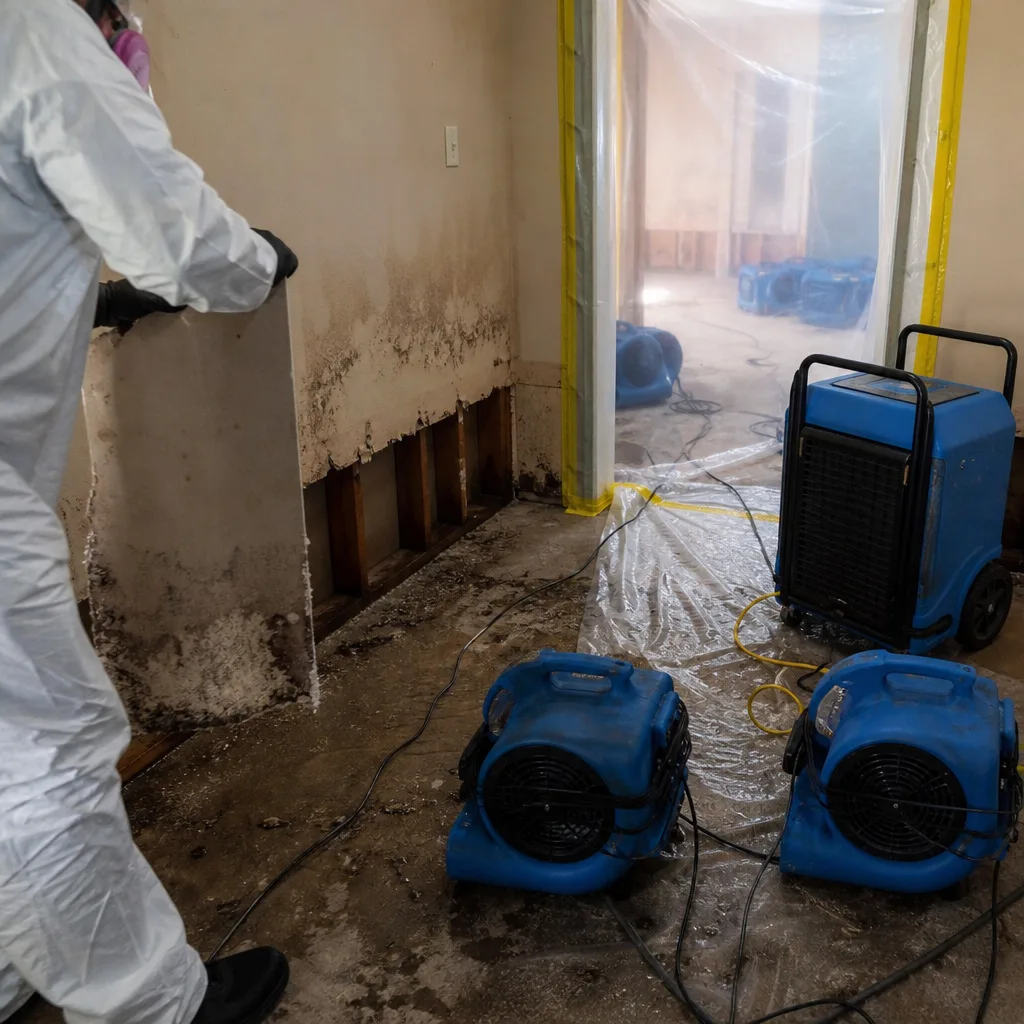 Before
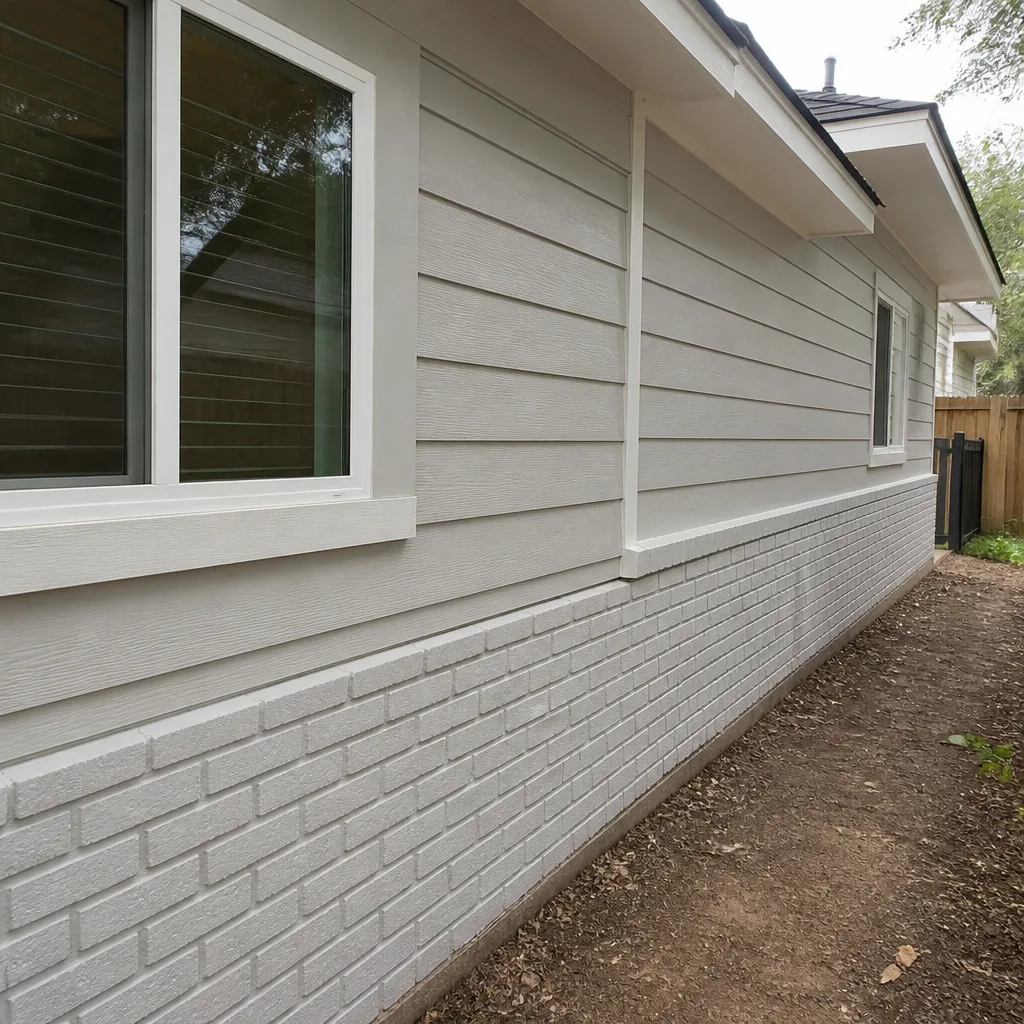 After
After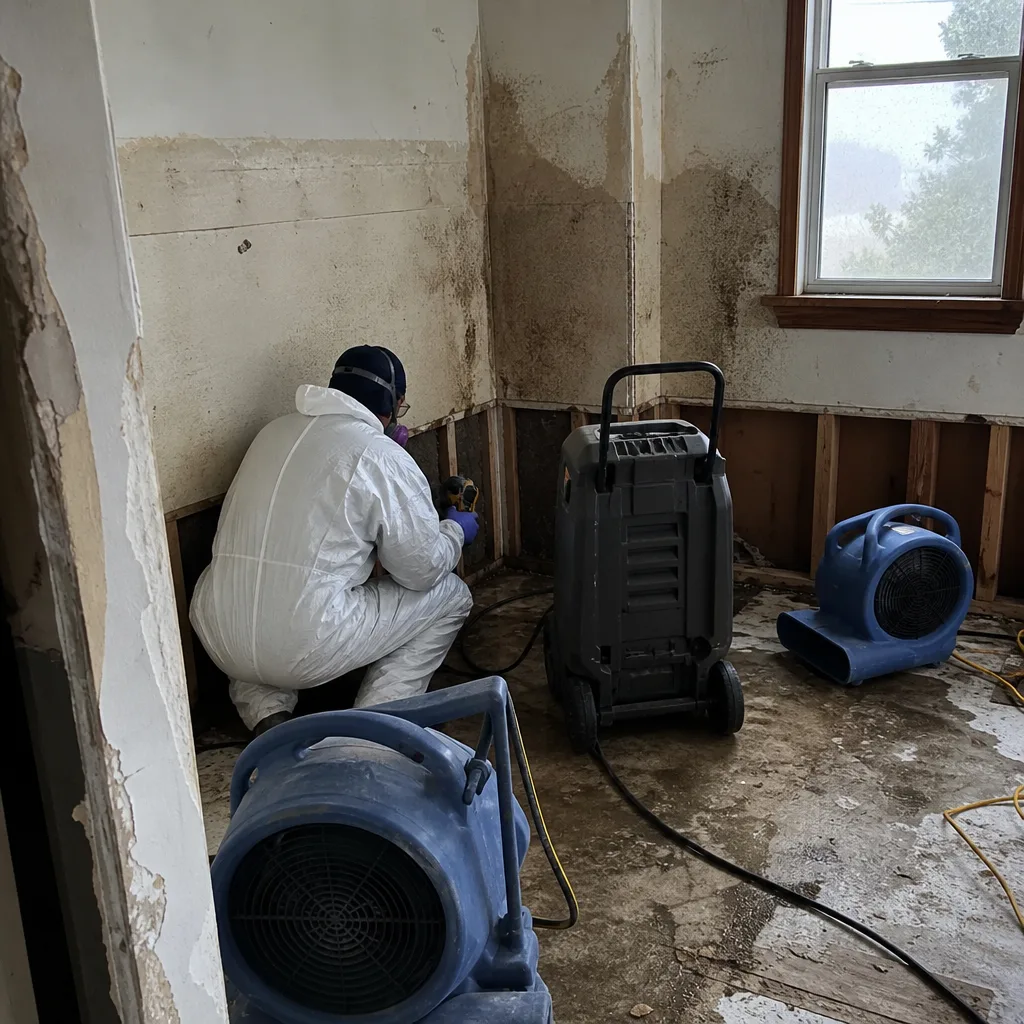 Before
 After
After Before
 After
After