
Last updated October 16, 2026
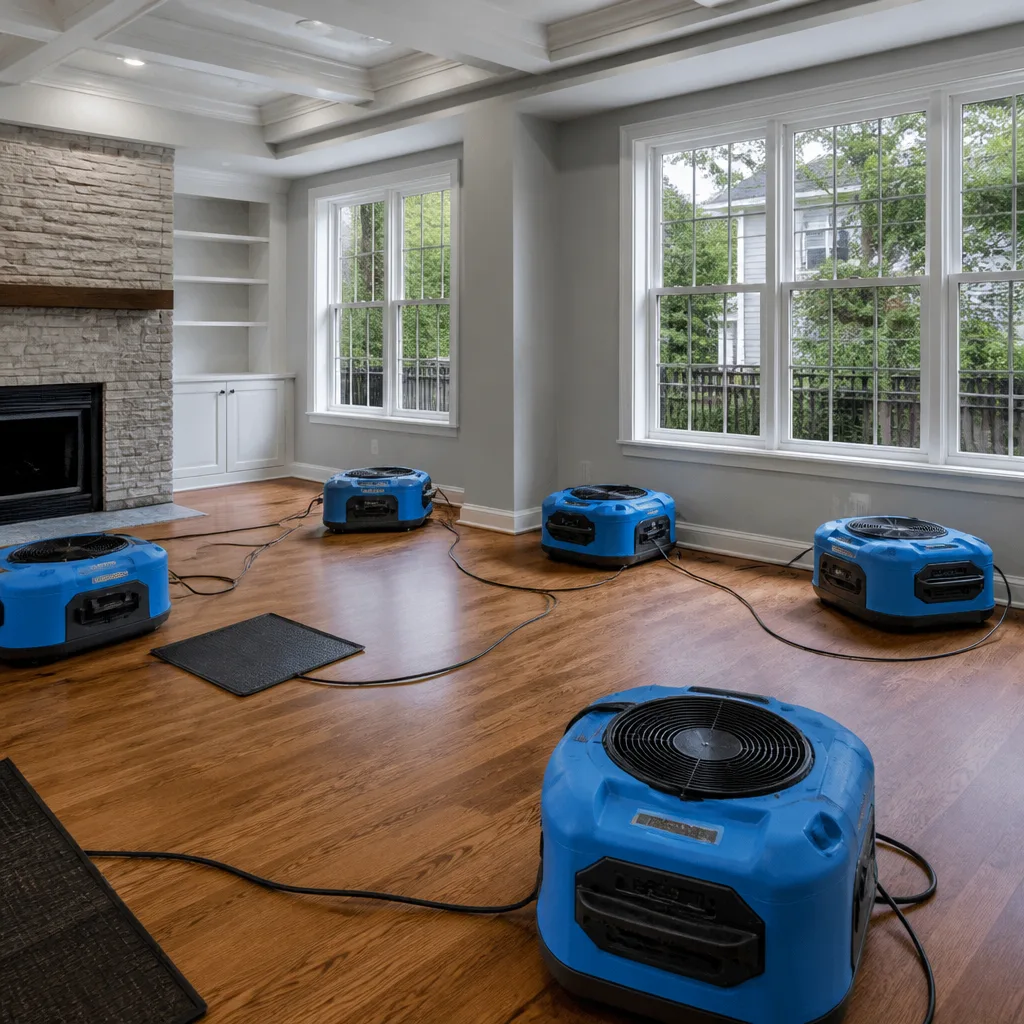 Water damage drying
 Fire & smoke cleanup
 Mold remediation
 Storm response
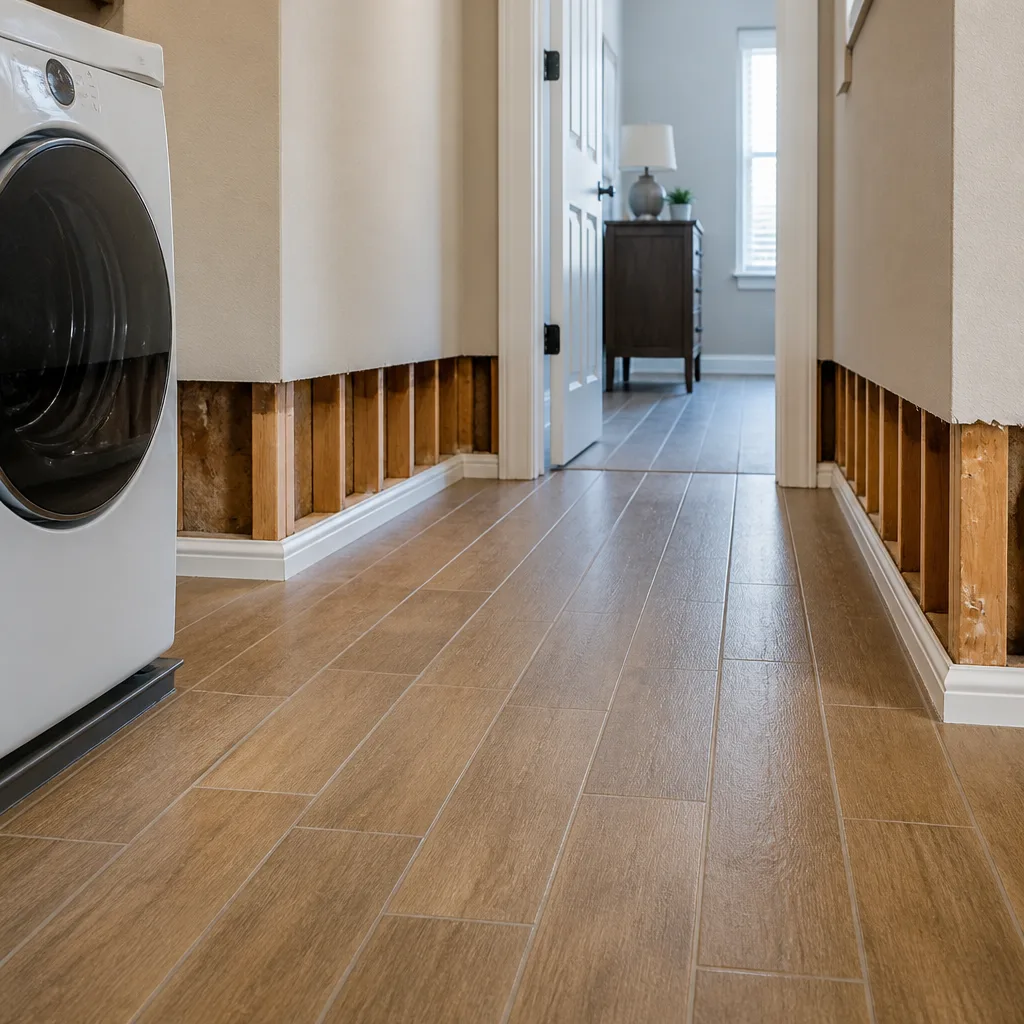 Sewage cleanup
 Reconstruction
Free visual inspection and a written scope of work before any mitigation begins - photos, moisture readings, and drying logs go in your claim file
The scope we write is the scope we bill. Anything new gets shown to you, in writing, before we touch it.
Get your free estimateDamage Restoration Warning Signs: A Houston Homeowner’s Reference Guide
Houston’s building stock has a peculiar blind spot. Because the city sits on expansive clay soil and most homes rest on concrete slabs, some of the most serious structural failures announce themselves in ways that look like ordinary house settling. A door that starts sticking in August. A tile floor that feels warm near the bathroom wall. A water bill that creeps up 15 percent with no visible leak anywhere. This guide teaches you to read those signals correctly, because in Houston, cosmetic and structural problems often wear the same face.
Restoration work we handle
Quick Answer
The most overlooked water damage warning signs in Houston homes are behavioral, not visual: doors and windows that suddenly stick or gap, warm spots on tile floors, unexplained water bill increases, and musty HVAC output. These signals often indicate a slab leak or hidden moisture intrusion months before visible staining appears, and Houston’s clay soil makes early detection critical because soil movement beneath the slab compounds the damage.
Table of Contents
- Slab Leak Signals: The Behavioral Warning Signs Houston Homeowners Miss
- Condensation vs. Intrusion: Reading Moisture on Houston Walls
- Mold Warning Signs Specific to Houston’s Humidity
- Post-Flood Structural Signals: When the Ground Itself Moves
- The 48-Hour Action Window After Water Intrusion
- Drywall and Paint Damage: Cosmetic or Structural?
- HVAC Moisture Problems: The Smell You’re Misreading
- Common Mistakes to Avoid
- When to Call a Professional
- Frequently Asked Questions
- The Bottom Line
Slab Leak Signals: The Behavioral Warning Signs Houston Homeowners Miss
Most Houston homes built before 2000 sit on post-tension concrete slabs with copper or polybutylene supply lines running beneath them. When those lines fail, water doesn’t pool visibly on the floor. It travels through the soil beneath the slab, changes the moisture content of the clay, and causes the ground to shift. The first symptoms are mechanical, not visual.
Here is what a slab leak actually looks like in its early stages:
- Doors that start sticking or won’t latch. Interior doors swing freely on hinges that are square. When the slab shifts even a quarter inch, door frames rack out of square and the latch misses the strike plate. This is one of the most common first signs we see in Houston homes.
- Windows that suddenly stick or gap. Aluminum window frames, common in 1970s and 1980s Houston construction, are rigid. Slab movement binds them.
- Warm spots on tile or concrete floors. A hot water line leaking beneath the slab heats the concrete above it. If you walk barefoot and feel an unexplained warm patch, mark the spot with tape and call a plumber who specializes in slab leak detection.
- Unexplained water bill increases. A slow slab leak can waste 200 to 400 gallons per day without ever surfacing. Houston’s municipal water rates make that a noticeable jump, typically $30 to $80 on a monthly bill.
- The sound of running water when nothing is on. At night, when the house is quiet, a slab leak is often audible as a faint hiss or running sound near the floor.
In Houston specifically, these signals matter more than in cities with basements or raised foundations because the water has nowhere to go except into the clay. Expansive clay swells when wet and shrinks when dry. A leak that runs for six months can cause enough soil movement to crack drywall, separate brick veneer, and throw door frames out of square throughout the house. A home with a raised foundation can show a leak in the crawlspace. A slab home hides it until the structure complains.
If you have two or more of these signals at the same time, the odds of a slab leak are high. Call a plumber who does electronic leak detection and a restoration company that understands slab construction-our How to Hire a Damage Restoration Contractor in Houston: A Step-by-Step Guide can help you vet candidates. The plumbing repair and the structural drying need to be coordinated, not done as separate one-off jobs.
Condensation vs. Intrusion: Reading Moisture on Houston Walls
Houston’s average relative humidity runs between 75 and 90 percent for most of the year. That means some moisture on surfaces is normal. The skill is knowing the difference between condensation, which is harmless, and active moisture intrusion, which is not.
Here is the touch-test protocol we teach Houston homeowners:
- Press the back of your hand against the wall, not your palm. The back of the hand is more sensitive to temperature differences.
- Compare the wall temperature to the room temperature. Condensation feels cool but matches the room. Active moisture intrusion behind drywall makes the surface feel cold and damp, even in a warm room.
- Hold your hand there for ten seconds. Condensation leaves a faint moisture film but does not soak through. Active intrusion leaves your hand feeling wet and the drywall feels spongy under pressure.
- Check the same wall at different times of day. Condensation forms when warm, humid air meets a cooler surface, typically overnight or early morning, and dries by afternoon. Intrusion is constant.
Pay particular attention to exterior walls on the east and north sides of the house. These get the least direct sun and stay cooler, which makes them condensation magnets. But they are also where wind-driven rain penetrates weep holes, where stucco cracks admit water, and where sprinkler overspray soaks the sheathing.
One more Houston-specific check: the bottom edge of drywall in a slab home should never be wet. If the lower six inches of drywall on an interior wall feel damp or show a rising stain, that is not condensation. Houston’s high water table and clay soil can drive ground moisture up through slab penetrations, and that water gets absorbed by the drywall through capillary action. We call it wicking, and it’s a sign that water is being actively drawn into the wall, not settling on the surface.
Mold Warning Signs Specific to Houston’s Humidity
Mold grows in Houston homes differently than in drier climates. The signs are often olfactory or physiological before they are visual, because the mold is growing inside wall cavities, ductwork, or behind baseboards where you can’t see it.
These are the signs that should get your attention:
- Musty HVAC output. When the air conditioner kicks on, you smell a damp, earthy odor for the first five minutes. That’s not a dirty filter. That’s microbial growth inside the evaporator coil, drain pan, or supply plenum. Houston’s cooling season runs eight months of the year, so the coil stays wet and dark, which is exactly the environment mold needs.
- Discoloration at ceiling-to-wall joints. In Houston homes with vaulted ceilings or attic duct runs, the corners where walls meet ceilings are thermal bridges. Warm, humid indoor air condenses there, and over time that moisture supports mildew and mold growth. The discoloration often looks like faint gray or green smudging that comes back after you wipe it.
- Persistent allergy symptoms in one room. If you sneeze, cough, or get a headache consistently when you spend time in a specific room, and the symptoms clear when you leave, that is a strong indicator of hidden mold. Houston allergists see this pattern constantly because the city’s humidity keeps mold spores viable for long periods.
- Faint stains that reappear after cleaning. Clean a stain with bleach and it comes back in two weeks. That’s live mold growth, not an old water mark. Mold sends out hyphae into the drywall or trim that survive surface cleaning.
The reason Houston is so prone to this is straightforward: when outdoor dew points are above 70 degrees for weeks at a time, any minor moisture intrusion from a pipe, a window, or a roof leak does not dry out on its own. In a dry climate, a small leak evaporates. In Houston, it becomes a mold incubator. The 48-hour rule for mold prevention that’s quoted nationally is optimistic in Houston. You realistically have 24 to 36 hours before mold begins to colonize on wet drywall or carpet in a Houston summer.
Our Mold Remediation in Houston work starts with identifying the moisture source, because mold removal without fixing the water problem is a temporary cleanup, not a solution.
Post-Flood Structural Signals: When the Ground Itself Moves
Houston’s flat terrain and bayou system make it flood-prone, and any homeowner who has been through a flood knows the immediate aftermath: water extraction, carpet removal, drywall cuts. What many homeowners miss is that floodwater does not just damage the house. It changes the soil beneath it.
After a flood event, watch for these signals that indicate soil movement beneath the slab, which is a structural problem that goes far beyond surface water damage:
- Cracks in drywall that start at door corners and run diagonally. This is a classic sign of differential settlement, where part of the slab has dropped relative to the rest. Hairline vertical cracks are usually cosmetic. Diagonal cracks wider than a quarter inch that appear or worsen after a flood deserve professional evaluation.
- Gaps between the baseboard and the floor. If the slab heaves upward in the center, baseboards separate from the floor along exterior walls. This is different from water-damaged baseboards, which swell and stain. A clean gap means the slab moved.
- Brick veneer cracks that stair-step along mortar joints. Houston’s brick homes have a masonry veneer that rests on the foundation edge. When soil movement tilts the slab, the brick follows and cracks in a stair-step pattern. This is a foundation issue, not a brick issue.
- Exterior concrete flatwork that pitches toward the house. Driveways, patios, and walkways that once sloped away from the foundation now slope toward it. That means the soil under the slab edge has settled, and now water from every rain runs toward the foundation instead of away.
The distinction matters because the fix is different. If you have floodwater damage only, the remediation is extraction, drying, and replacement of wet materials. If the flood caused soil movement, you also need a foundation-level assessment, and repairing sheetrock before the foundation is stabilized means doing the work twice-see our DIY vs Professional Damage Restoration: The Houston Homeowner’s Decision Guide for why this matters. In Houston’s clay soil, the two problems frequently arrive together.
The 48-Hour Action Window After Water Intrusion
What you do in the first 48 hours after a water intrusion determines how much of your home survives. Here is the hour-by-hour breakdown of what actually matters.
Hours 0 to 2: Stop the water and cut the power. Shut off the water at the main valve if the source is a plumbing failure. If water is near electrical outlets, appliances, or the breaker panel, cut power at the main breaker before walking through standing water. Houston homes often have elevated AC equipment and water heaters in attics, so check for ceiling water before you walk under a wet area.
Hours 2 to 6: Move what you can, document everything. Furniture, rugs, books, electronics. Get them dry or off the wet surface. Photograph every affected room, wall, and floor. Your insurance claim depends on documentation from the first hours, not after the damage has spread.
Hours 6 to 24: Extraction begins. Standing water needs to come out before drying equipment goes in. A professional extraction crew with truck-mounted or portable extraction units can remove several hundred gallons in an hour. This is not the time for box fans. Houston’s humidity means slow drying equals mold growth.
Hours 24 to 48: Drying is the priority. After extraction, the structural drying phase starts. This involves air movers, dehumidifiers, and moisture meters. The goal is to get building materials below 16 percent moisture content, which is the threshold where most mold species stop growing. Professional equipment from brands like Dri-Eaz and Injectidry moves air and captures moisture at rates that retail fans and dehumidifiers cannot match.
Hour 48 and beyond: Assessment and rebuild. Once materials are dry, the full scope of replacement becomes clear. This is where a written scope of loss matters. You need to know which materials are salvageable and which come out, and that scope should be in writing before the rebuild starts. Our Water Damage Restoration in Houston work always includes a written price before any work begins, because the scope of a water job should never be a surprise discovered halfway through.
Drywall and Paint Damage: Cosmetic or Structural?
Houston homeowners face a constant question: is this drywall damage from old paint failing, or is it a live moisture problem? The answer is usually read in the pattern and the location.
Here is how to tell the difference:
- Bubbling paint on an interior wall away from plumbing or exterior walls is usually age. Paint loses adhesion over decades, especially in humid environments. If the bubble is dry, crumbles when poked, and there’s no staining beneath it, that’s cosmetic.
- Staining with a defined edge on any wall is water. Water stains have a ring or boundary, like a coffee stain on paper. They darken the drywall and often show tide lines where the water evaporated and re-wet multiple times.
- Soft drywall near exterior walls is never just old paint. If you can press a fingernail into drywall near a window, door, or exterior corner and it leaves an indent, that drywall has absorbed enough moisture to lose its structural integrity. It needs to come out, not be patched over.
- Efflorescence on slab edges looks like white dust or crust at the base of exterior walls or garage floors. Many Houston homeowners brush it off as dirt or salt. It’s actually mineral deposits left behind when water moves through concrete and evaporates. That means water is moving through your slab, and the source needs to be found.
- Nail pops in a straight line. When drywall screws or nails push through the paint in rows, it often means the framing or the drywall itself has moved. In a slab home, that movement is frequently moisture-related.
The general rule for Houston: if drywall damage is on an interior wall with no plumbing and no history of water exposure, it’s likely cosmetic. If it’s on an exterior wall, below a window, near a bathroom or kitchen supply line, or at the slab edge, treat it as a water problem until proven otherwise.
HVAC Moisture Problems: The Smell You’re Misreading
Houston air conditioners run more hours per year than almost anywhere else in the country. The cooling season here can stretch from March to November. That means your HVAC system is a dehumidifier as much as a cooler, and it processes thousands of gallons of condensate annually.
When a Houston homeowner smells a musty odor and checks the filter, the filter is almost never the problem. The real issues are:
- A clogged or disconnected condensate line. The drain line that carries water away from the evaporator coil gets blocked with algae, dust, and mold. When it backs up, water overflows the drain pan and soaks the surrounding materials. The smell is the first sign, often weeks before water stains appear on the ceiling below.
- A rusted or cracked drain pan. Older systems, 15 years and up, have metal pans that rust through. The water drips onto the plenum or the ceiling drywall, and the moisture wicks into insulation and framing. The smell is musty because the materials are actively wet.
- Ductwork leaks in the attic. Houston attics are brutally hot in summer, often 140 degrees in August. When conditioned air leaks from return ducts, the negative pressure pulls hot, humid attic air into the system. That air condenses inside the ducts and on the ceiling around the registers. The result is a musty smell that comes and goes with the AC cycle.
- Oversized equipment. An AC unit that’s too large for the house cools the air fast but runs in short cycles, which means it never removes enough humidity. The house feels clammy, the ductwork stays damp, and over months the entire system develops a stale odor. Houston’s pre-2000 housing stock is full of oversized systems because builders sized for peak August heat and ignored humidity control.
If the smell is consistent, call an HVAC contractor to inspect the coil, pan, and drain line. If there is active water damage around the unit or water staining on the ceiling below the air handler, that’s a restoration issue as well as an HVAC issue. The Keegan Restoration Houston home page covers how we coordinate HVAC-related water damage with your HVAC contractor.
Common Mistakes to Avoid
- Ignoring a sticking door for months. A door that suddenly won’t latch in a slab home is a structural signal, not a temperature change. The longer a slab leak runs, the more soil movement occurs, and the more expensive the foundation repair and structural drying become.
- Treating musty AC smells with air fresheners or duct-cleaning sprays. The smell means moisture is present somewhere in the system. Covering it up delays the fix and gives mold more time to colonize.
- Using a retail dehumidifier to dry a flooded room. Big-box dehumidifiers remove a few gallons a day. A flooded Houston home in summer needs extraction equipment and commercial dehumidifiers that remove 20 to 100 gallons a day. The difference is the difference between dry materials and a mold colony.
- Assuming flood water is the only water. After a Houston flood, the visible water recedes but the soil under the slab stays saturated for weeks. Watch for the structural signals in the post-flood section above, not just the water stains on the drywall.
- Painting over water stains without fixing the source. Stain-blocking primer hides the evidence but not the moisture. The stain returns, the drywall degrades, and by then you may have mold growing behind the paint film.
- Filing an insurance claim without documentation from day one. The insurance process rewards homeowners who photograph everything in the first hours and keep records of every step. Claims supported by professional documentation, including moisture readings and scope-of-loss documents, resolve faster and at higher values.
When to Call a Professional
Call a professional when the signs point to hidden water, structural movement, or mold. Sticking doors combined with a rising water bill. Warm tiles over a bathroom wall. A musty smell that persists after filter changes. Drywall that’s soft near an exterior wall. Any water event that soaked flooring, drywall, or insulation and cannot be dried completely with fans within 24 hours. Keegan Restoration Houston offers free estimates in Houston, and our technicians arrive in uniform, put the price in writing before any work starts, and document everything to support your insurance claim. For more guides & resources, visit our blog. Call (325) 550-1783 to schedule a Houston assessment.
Frequently Asked Questions
A slab leak typically shows behavioral signs before visible signs: doors that stick, warm floor spots, and a water bill increase with no visible water. An in-wall leak usually shows visible staining on the wall or ceiling within days, often accompanied by peeling paint or bubbling drywall at the leak site.
Yes. When indoor humidity stays above 60 percent for extended periods, mold can grow on organic surfaces like drywall paper, carpet, and wood, even without a plumbing leak. Houston’s outdoor humidity makes this a year-round concern, which is why HVAC dehumidification matters as much as cooling.
In Houston’s summer conditions, mold can begin colonizing on wet drywall and carpet within 24 to 36 hours. That’s faster than the 48-hour window often cited for drier climates, because the ambient temperature and humidity in a Houston home create near-ideal growth conditions year-round.
Most Houston homeowners insurance policies cover the water damage caused by a slab leak, but not the plumbing repair itself. The slab access and repipe are often out of pocket unless you have a specific endorsement. Document the leak, the damage, and the drying process thoroughly because your adjuster will ask for evidence of each phase. Call (325) 550-1783 if you need help navigating the claim documentation.
First, check the filter, but if the smell persists after a filter change, turn the system off and call an HVAC contractor. The smell usually indicates moisture in the coil, drain pan, or ductwork. If you see water staining on the ceiling below the air handler, the problem has moved beyond HVAC and into structural materials, and you need a restoration assessment too.
Photograph every affected room from multiple angles, including close-ups of flooring, baseboards, and walls. Record the time the water was discovered and the source if you know it. Save receipts for any emergency work. When the restoration crew arrives, ask for moisture readings and a written scope of loss, because those professional documents carry far more weight with an adjuster than homeowner photographs alone.
Not always, but it’s a strong indicator. The smell could be from wet insulation, saturated carpet pad, or standing water in a wall cavity. Any of those conditions will support mold growth within days in Houston, so treat a persistent musty odor as a live moisture problem and trace the source.
The Bottom Line
Houston homes speak through their behavior. A door that sticks, a tile that warms, a bill that rises, a smell that won’t leave. None of these look like emergencies, which is exactly why they are the warning signs that matter most. Learn to read them, and you catch the problem before the drywall stains and the foundation shifts. For fire-related damage signals, see our Fire Damage Restoration in Houston guide. And if you’re seeing any of the signs in this guide in your own home, Keegan Restoration Houston is a phone call away at (325) 550-1783. We run every job to The Garrison Standard: written price before work starts, background-checked uniformed technicians, a 365-Day Done Right Promise in writing, and documentation formatted to support your insurance claim.
Written by Shane Pruitt, Owner at Keegan Restoration Houston, serving Houston since 2005.
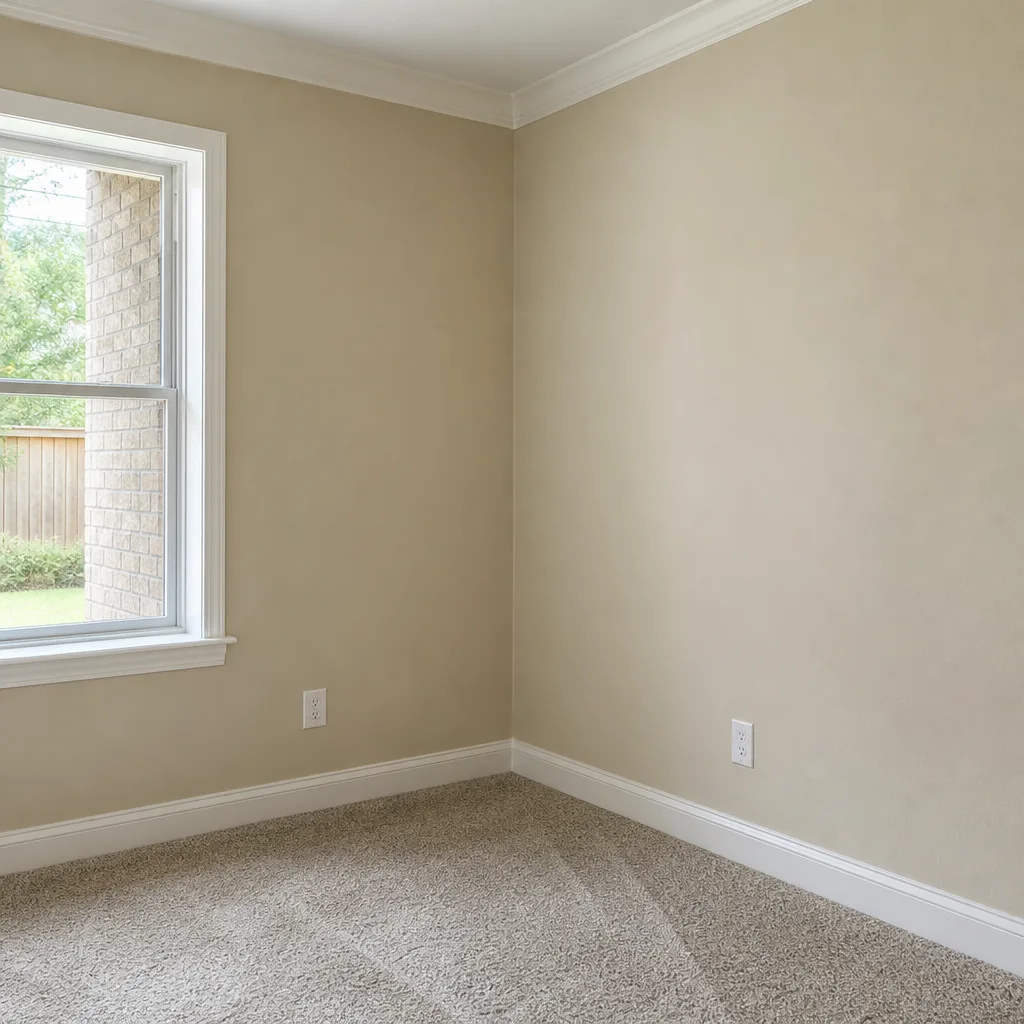
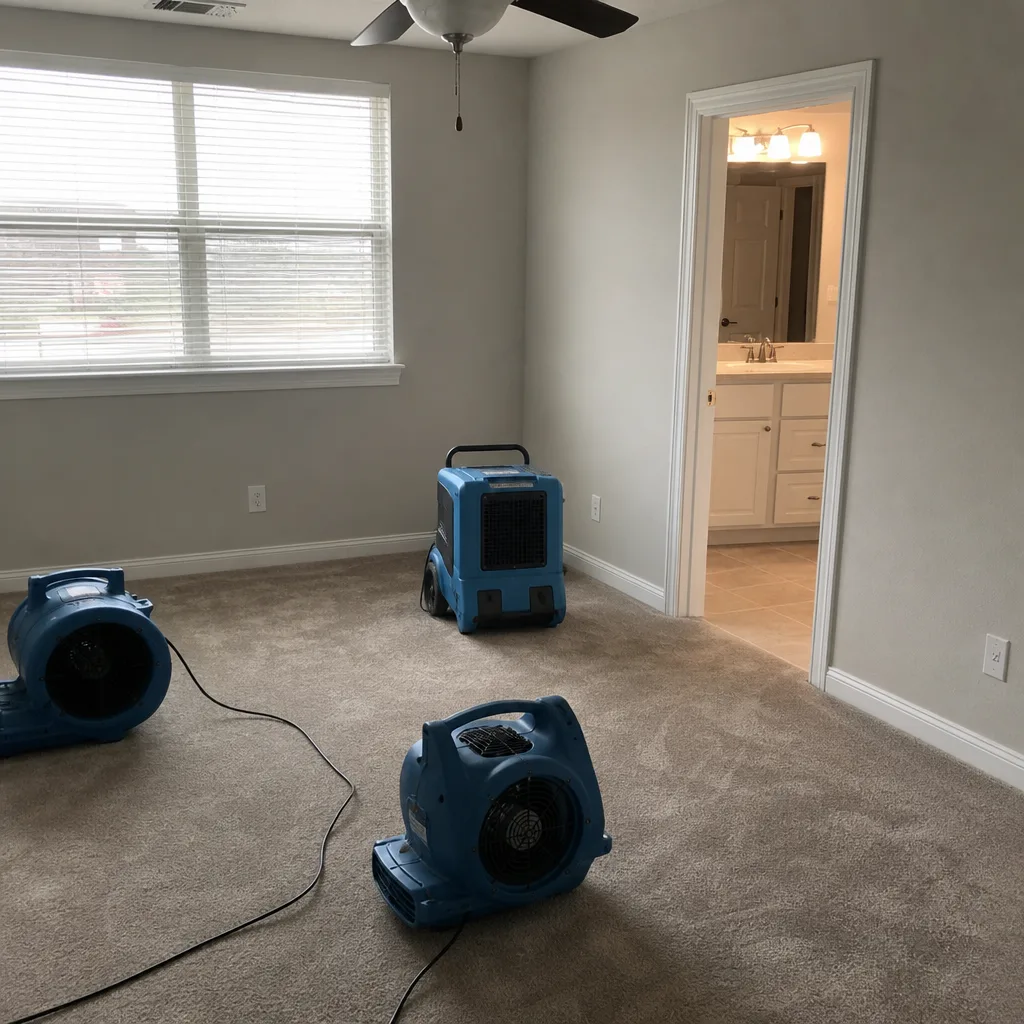
See the difference
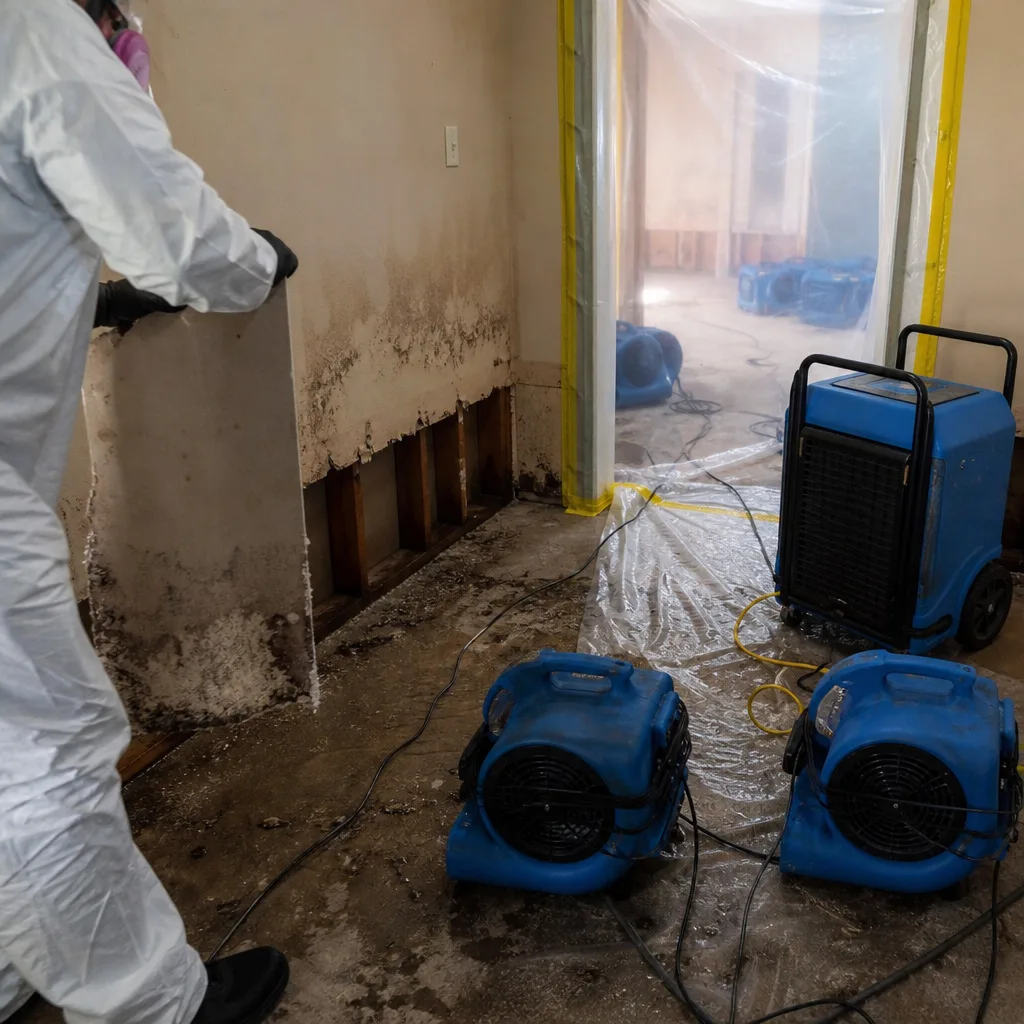 Before
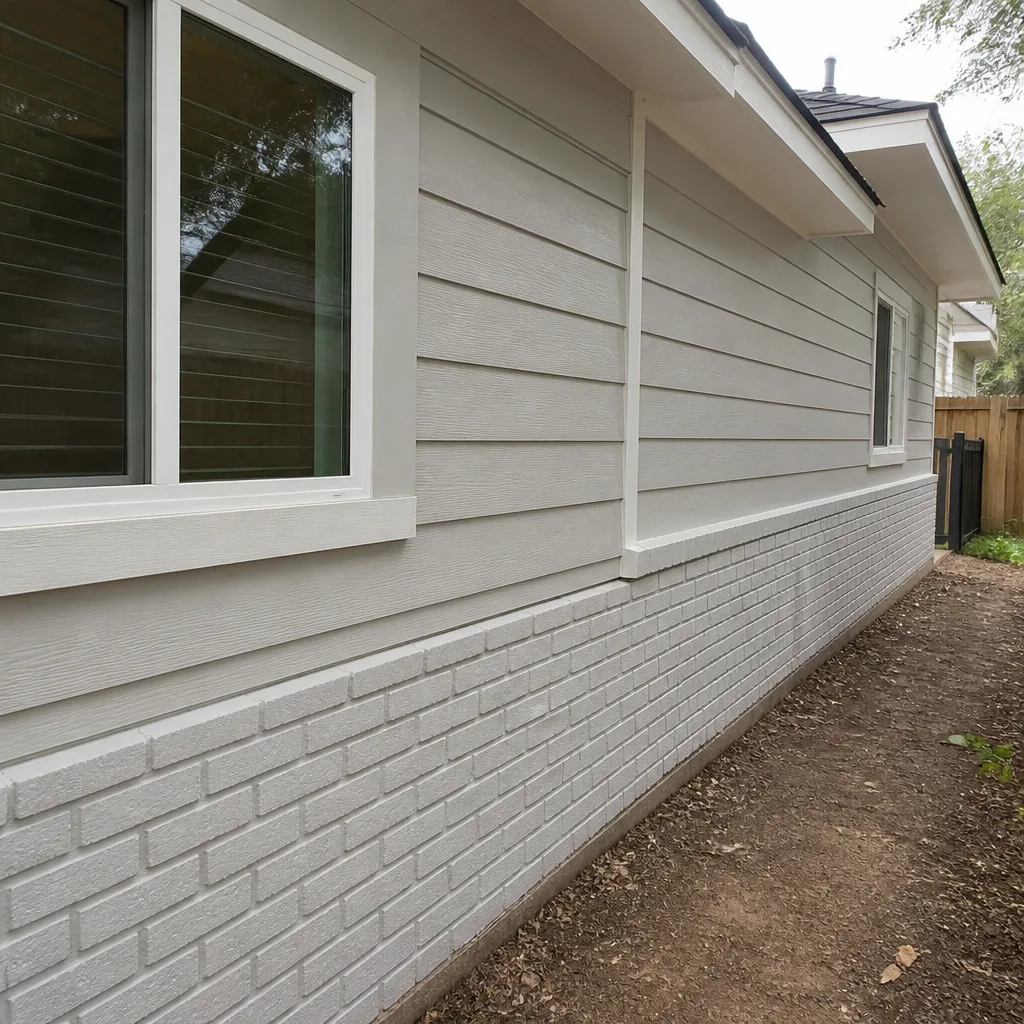 After
After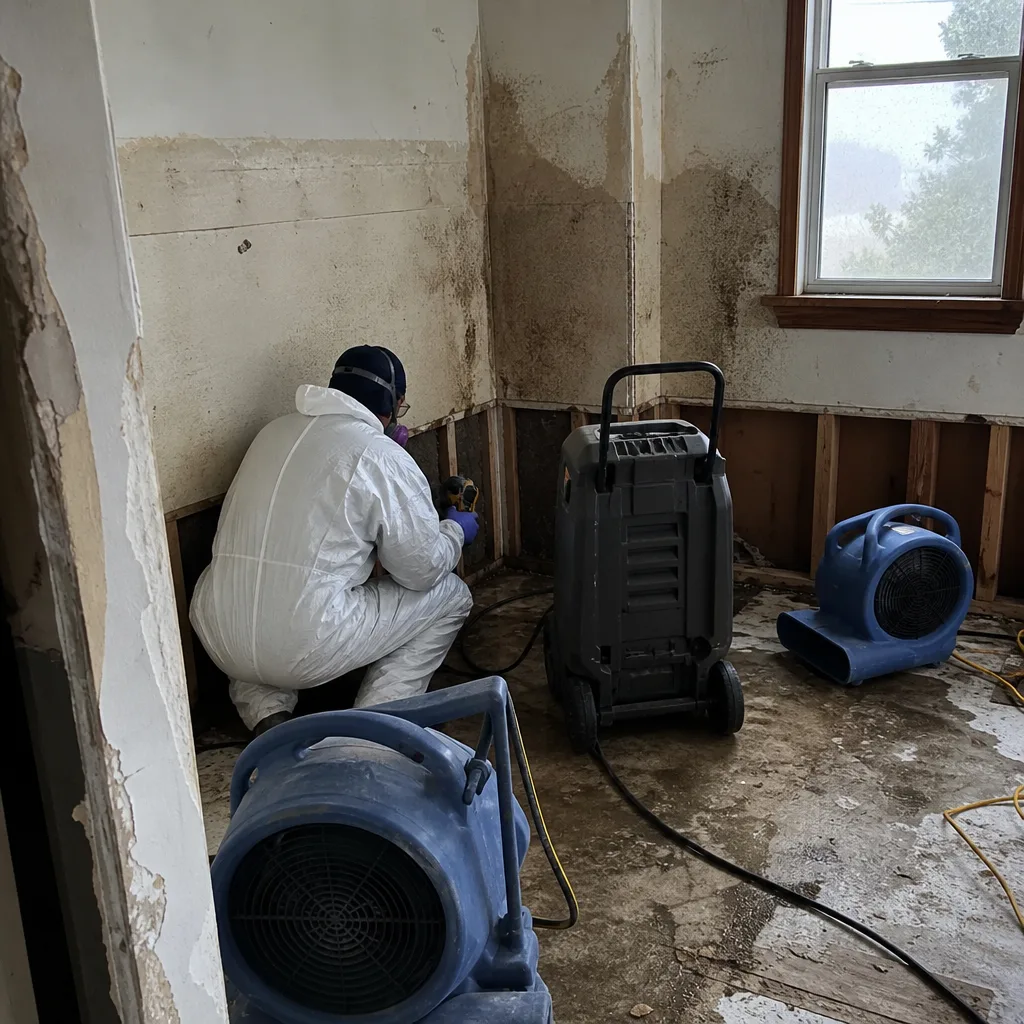 Before
 After
After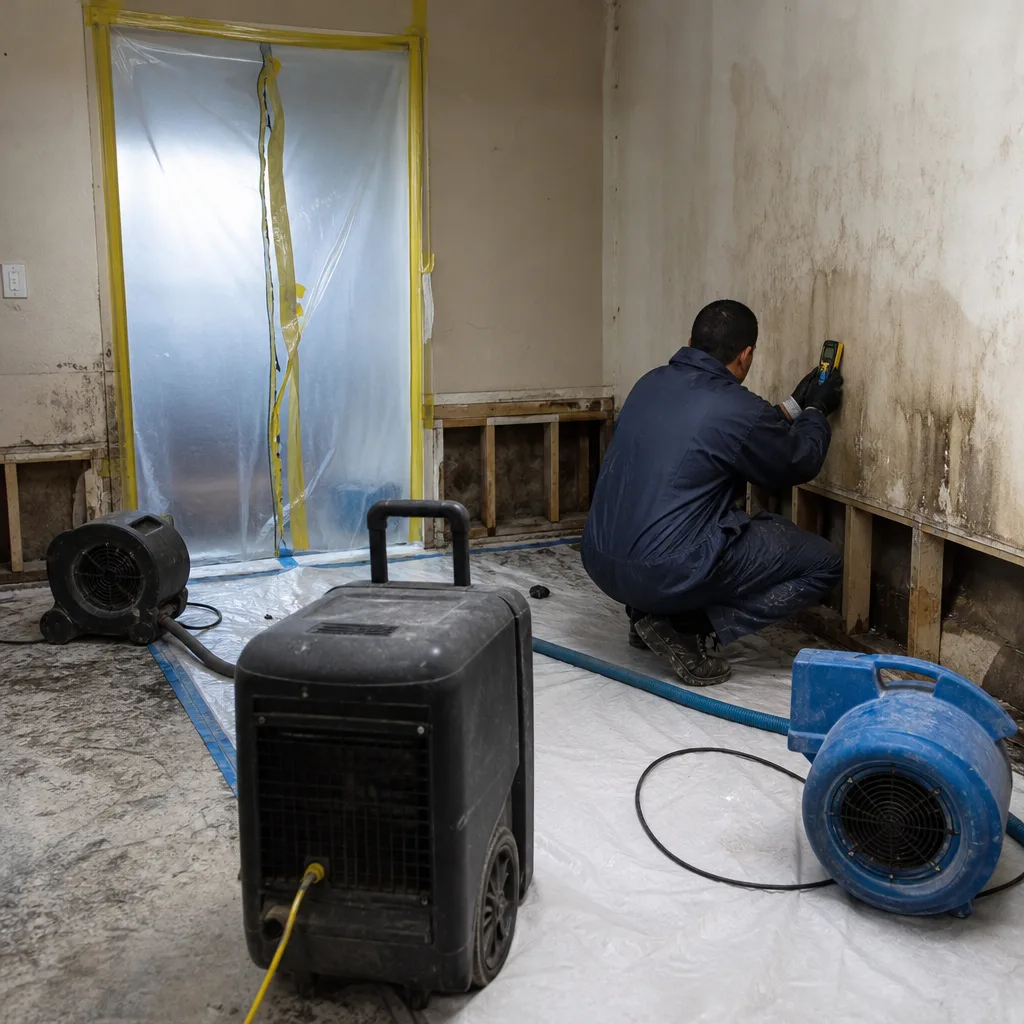 Before
 After
After