
Last updated October 16, 2026
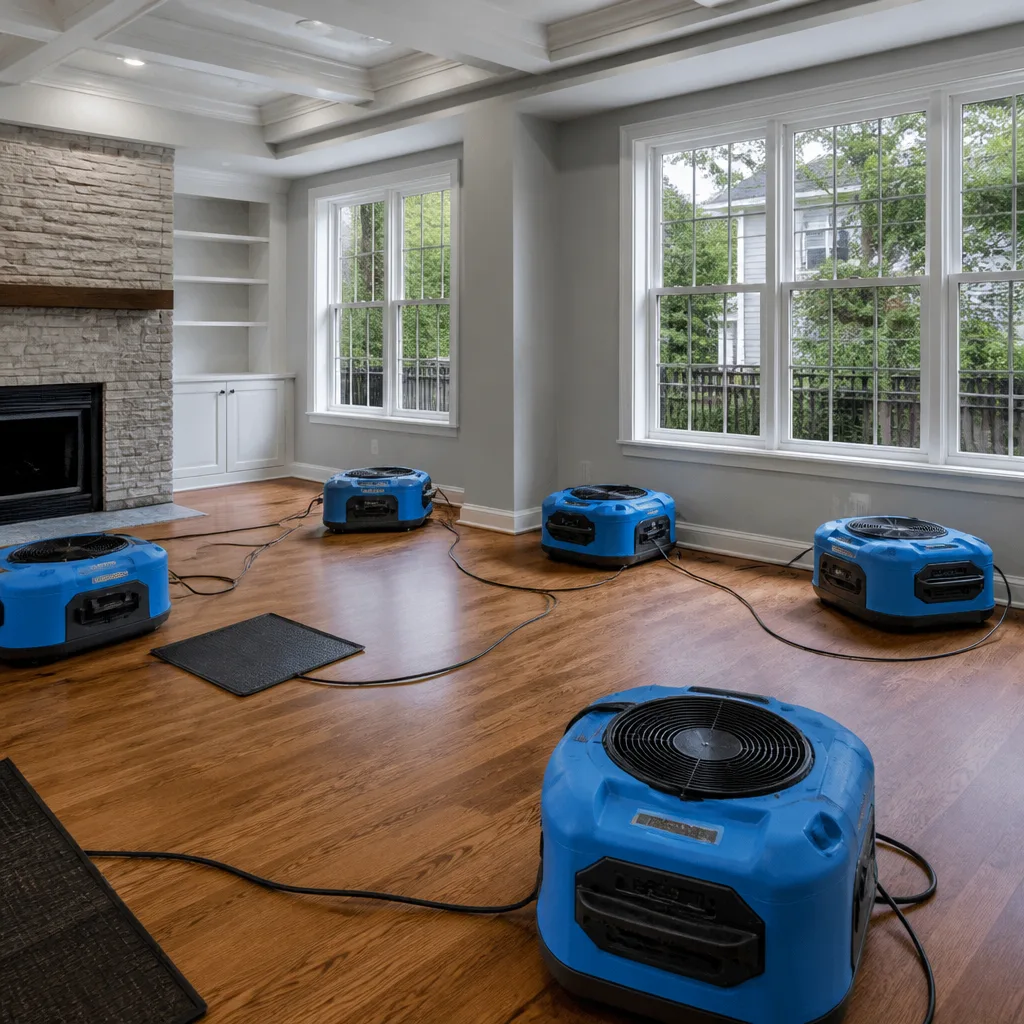 Water damage drying
 Fire & smoke cleanup
 Mold remediation
 Storm response
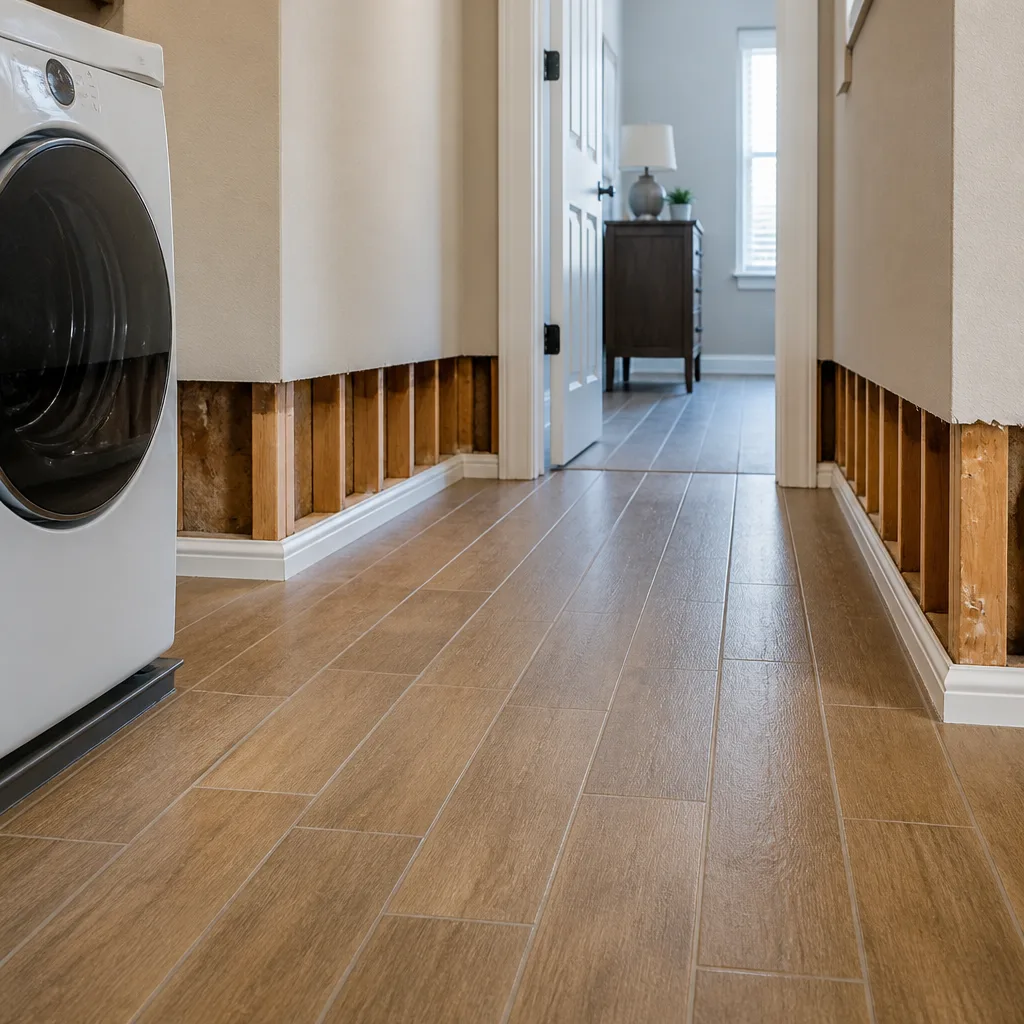 Sewage cleanup
 Reconstruction
Free visual inspection and a written scope of work before any mitigation begins - photos, moisture readings, and drying logs go in your claim file
The scope we write is the scope we bill. Anything new gets shown to you, in writing, before we touch it.
Get your free estimateThe Complete Guide to Damage Restoration in Houston
Houston files more flood insurance claims than any city in the country, yet most restoration advice you’ll find online could have been written for a house in Columbus. It ignores what actually happens here: slab foundations shifting on gumbo clay, hurricane-driven rain blowing sideways through brick veneer, and mold that colonizes drywall a full day faster than the national guides predict. That gap between generic advice and Houston reality is why we wrote this. You’ll learn what moves first after a water event, why the timeline here is shorter than the textbooks say, how fire and storm damage each demand a different sequence, and the documentation habits that keep your insurance claim from stalling.
Restoration work we handle
Quick Answer
Damage restoration in Houston means responding to water, fire, or mold damage in a climate where expansive clay soil, hurricane exposure, and slab-on-grade construction change the standard playbook. The critical window is shorter here: mold can establish within 48 hours of water intrusion, not the 72 hours cited in national guides. A proper restoration sequence includes emergency extraction, structural drying to a documented moisture target, controlled demolition where needed, and reconstruction that accounts for Houston’s soil movement before walls are closed in.
Table of Contents
- Why Houston Soil Changes the Restoration Equation
- The 48-Hour Mold Clock: Why Houston Is Different
- The Water Damage Restoration Sequence
- Fire Damage Restoration: A Different Order of Operations
- Hurricane, Tropical Storm, and Flash-Flood Damage: Not the Same Job
- Mold Remediation After the Water Is Gone
- Insurance Documentation: Why Houston Adjusters Look for Gaps
- Common Mistakes to Avoid
- When to Call a Professional
- Frequently Asked Questions
- The Bottom Line
Why Houston Soil Changes the Restoration Equation
We’ve watched water extraction crews in other cities walk away the moment the carpet stops squishing. In Houston, that’s the moment the real work begins. The soil under most Houston homes is Beaumont and Lake Charles clay, a highly expansive material that swells when wet and shrinks when dry. A slab leak that runs for two weeks doesn’t just wet your floors. It creates a moisture lens under the slab that can lift one corner of the house a quarter inch before you ever see water staining on drywall.
What that means for restoration is this: drying the interior to an acceptable moisture content isn’t the finish line. We dry to a documented standard, then watch for secondary movement, which is the structural shift that happens as the clay underneath releases moisture unevenly over weeks, not days. In practice, we’ve seen door frames that closed fine the day after extraction bind a month later because the slab settled. A proper Houston restoration sequence includes a post-drying monitoring window before finish work like millwork, tile, or cabinetry goes back in. National guides often skip this step because they’re written for homes on basements and non-expansive soil.
If you’ve had a slab leak or major flood, ask any restoration company you’re vetting a direct question: “What’s your protocol for monitoring slab movement after drying?” A blank stare is a signal. A written answer that includes a monitoring window and what they’ll do if movement occurs is what you want.
The 48-Hour Mold Clock: Why Houston Is Different
The IICRC S500 standard, which governs professional water damage restoration, references a 72-hour window before mold becomes an established problem on wet building materials. That number is a national average. Houston’s combination of ambient heat and high relative humidity compresses it. In July and August, when overnight lows stay above 80 degrees and humidity sits near 90 percent, mold spores on wet drywall can transition from dormant to active in under 48 hours. We’ve pulled baseboards after a 36-hour old pipe leak and found visible hyphae already forming behind the molding.
This is not a technicality. It changes triage. If water sits in your home overnight in a Houston summer, the wall cavity’s temperature and moisture content are hospitable to *Aspergillus* and *Penicillium* species before you’ve finished arguing with your insurance carrier about whether to file a claim. That means the first 48 hours are not for shopping quotes. They’re for extraction and airflow. Every hour of delayed drying pushes more building material into the demolition column, which raises the cost of the claim and lengthens displacement time.
The practical takeaway is that a restoration company’s response time is a line item on your insurance claim, not a convenience. When you call a company like Keegan Restoration Houston home, you should get a live answer and a dispatch window measured in hours, not days. Ask whether the crew will run desiccant drying equipment, which works faster than refrigerant dehumidifiers in Houston’s humidity, and whether they’ll document the moisture levels they started from before any equipment goes in.
The Water Damage Restoration Sequence
Water damage is the most common restoration event in Houston, whether it comes from a slab leak, a failed water heater, a tropical storm, or a sanitary sewer backup. The sequence matters because each step depends on the one before it. Here’s the order a disciplined crew follows, and the order you should expect to see documented in any scope of loss you’re given.
- Safety and source control. Kill the water at the main, kill the power to affected circuits if water contacted outlets, and determine whether the water is Category 1 (clean), Category 2 (gray), or Category 3 (black, such as sewage). Category 3 water means the affected porous materials are not cleaned; they’re cut out.
- Extraction. Standing water is removed with truck-mounted or portable extraction units. In a slab-on-grade Houston home, water migrates under tile and into wall cavities fast, so extraction includes pulling baseboards and drilling weep holes in wet wall cavities where the water has nowhere to drain by gravity.
- Psychrometric mapping. The crew takes moisture readings across the affected area using penetrating and non-penetrating meters. This produces a map showing where the water actually went, which is almost always farther than the visible staining suggests.
- Structural drying. Air movers, dehumidifiers, and in some cases Injectidry systems are positioned to dry enclosed cavities like walls and under cabinets. In Houston, we run desiccant dehumidification whenever the humidity load is high, because refrigerant units slow down in exactly the conditions Houston produces.
- Demolition and controlled removal. Materials that can’t be dried or that harbor Category 3 water come out: drywall, insulation, carpet pad, sometimes laminate flooring. The cut line is marked, photographed, and measured before the saw comes out.
- Post-drying verification and reconstruction. Final moisture readings are documented against the drying goal. Reconstruction, including any slab movement monitoring we discussed, begins only after the area is dry and stable.
This is the same sequence described in our page on Water Damage Restoration in Houston, and it’s the backbone of how we work. If a crew tells you they’ll skip demolition because the drywall “looks fine,” you should ask how they know what’s behind it. In Houston, the answer is usually: they don’t.
Fire Damage Restoration: A Different Order of Operations
Fire damage gets treated in Hollywood as one big charred room that gets hosed down and repainted. In a real Houston house fire, the damage that drives the claim is often not the flames. It’s the smoke. Smoke is acidic. It carries soot into rooms the fire never touched. It deposits chlorides and sulfates on metal surfaces, which is why doorknobs and faucets in a fire-damaged home can start corroding within days if they’re not neutralized.
The sequence for Fire Damage Restoration in Houston is different from water and looks like this:
- Board-up and structural assessment. Before anything else, the structure is secured and a structural engineer or qualified restorer confirms whether load-bearing framing is viable. A Houston fire followed by a tropical downpour is a compounding event: the tarp and board-up work has to withstand wind-driven rain.
- Source and cause documentation. The fire investigator’s origin determination is documented. The restoration crew photographs the scene as found, before any cleaning begins. This is the documentation an insurance adjuster uses to separate fire damage from pre-existing conditions.
- Soot and odor source removal. Porous contents and burned building materials are removed or cleaned. The key variable is whether the smoke was wet or dry. Wet smoke, common in Houston where humidity slows combustion, is sticky and resists dry sponging. It responds to wet cleaning methods.
- Surface cleaning and corrosion control. Every surface gets cleaned or sealed. Metal fixtures are treated to arrest corrosion. Ductwork is inspected because Houston homes run central air most of the year, which means smoke distributed itself through the return air system.
- Odor neutralization. This is the step amateurs miss. Thermal fogging, ozone, or hydroxyl generation is used to neutralize odor molecules that embedded in structural materials. The method depends on the smoke chemistry and the materials affected. Paint alone doesn’t solve smoke odor; it just buries it until the next humid Houston summer draws it back out.
- Reconstruction and finish work. Drywall, insulation, flooring, trim, and paint go back in, but only after odor testing confirms the source removal worked.
The mistake we see most often is a homeowner who lets the fire restoration crew skip the corrosion control step because the visible surfaces look clean. Six months later, every piece of metal hardware in the room is spotted with rust, and the insurance file is closed.
Hurricane, Tropical Storm, and Flash-Flood Damage: Not the Same Job
Houston experiences three mechanically different flood events, and treating them as interchangeable is a costly error. We’ll break down each.
Hurricane damage arrives as a package: wind, rain, and storm surge depending on proximity to the coast. Wind opens the building envelope, which is why hurricane water damage often presents as interior water starting at the roofline or around windows rather than at the slab. The water damage is accompanied by structural wind damage, which changes the restoration order: you secure the envelope before you start drying, or you’ll be drying the same rooms twice. In Houston, hurricane restoration also contends with days of utility outages, which means the drying equipment has to run on generator power or wait for the grid. A company that works hurricanes here knows what that logistics chain looks like.
Tropical storm damage is mostly about duration. A stalled tropical system can park over Houston for three or four days, delivering rain totals that exceed a fast-moving Category 1. Because the rain is sustained, the water table rises, and slab homes begin taking water through the slab, not over the threshold. The restoration sequence has to account for water that enters slowly and saturates deeply rather than a fast flood that recedes in hours. Drying times stretch out. Demolition lines go higher.
Flash flooding is the street-to-house event: bayous overtop, storm sewers back up, and water enters fast and recedes within hours. The water is almost always Category 3, meaning black water contaminated with everything the street and sewer system carried. The restoration sequence for flash-flood damage is aggressive: fast extraction, fast enclosure evaluation, and a heavy demolition hand. Materials that absorbed flood water are not restored; they are removed. In Houston, floodwater from a bayou overflow carries sediment, oils, and biological contaminants that make every porous surface suspect.
Each of these events demands a different sequence, which is why the first thing a disciplined company does is determine the water category and the entry mechanism, then write the scope of loss accordingly before any demolition starts.
Mold Remediation After the Water Is Gone
Mold doesn’t respect cleanup. You can have the world’s cleanest water extraction and still grow mold if the wood and drywall didn’t reach their drying goal before the 48-hour clock expired. Our page on Mold Remediation in Houston covers the full process, but the headline for this guide is that remediation in Houston is a humidity management problem as much as a mold removal problem.
The sequence is straightforward in theory: contain the affected area under negative air pressure, physically remove contaminated materials, clean remaining surfaces with appropriate antimicrobial treatments, dry to a verified moisture content, and post-test to confirm the spore burden has returned to background levels. In Houston, the part that gets skipped most often is containment and air filtration. An open door during remediation spreads spores into the rest of the house, and the HVAC system, running constantly in our climate, does the distribution work for you. A proper mold remediation sets up containment barriers and air scrubbers before any moldy material is disturbed, not after.
The other Houston-specific issue is recurrence. If the source of moisture isn’t identified and corrected, the mold returns. That means before any remediation, the water source has to be fully characterized: slab leak, plumbing defect, condensation from an oversized AC unit, improper ventilation in a bathroom, or exterior drainage failure. We’ve remediated the same bathroom twice in other people’s houses because someone cleaned mold without fixing the exhaust fan that never vented to the exterior. In a Houston attic in July, that’s not a minor omission; it’s a mold incubator.
Insurance Documentation: Why Houston Adjusters Look for Gaps
Houston’s insurance market operates at a volume that adjusters in smaller cities never see. After a named storm, an adjuster in Houston might handle 100 files at once. They’re trained to triage, and they’re trained to look for gaps in the claim file. A missing moisture reading from day one, an undocumented demolition cut line, or a photo set that doesn’t establish the before-condition of a room gives an adjuster a reason to question the rest of the claim.
The fix is documentation discipline. Every Houston restoration job should include, at minimum:
- A written scope of loss with a line-item estimate before any work starts, priced the way it will be billed, not a lowball that gets revised upward after the adjuster has approved the file.
- A photo log showing the condition of every affected area before demolition, during removal, and after drying and reconstruction.
- Moisture readings taken with documented meter placement, showing the initial readings, daily drying progress, and final verification readings against a defined drying goal.
- A material log for Category 3 water or mold jobs, listing everything that was removed and why, with cut lines shown dimensionally.
- Equipment logs showing what drying equipment was run, where it was placed, and for how long, which supports the drying portion of the invoice.
If this sounds like documentation the insurance company requires anyway, you’re right. The difference is whether the restoration company produces it proactively, in a format built for adjuster review, or waits until the claim stalls and then starts scrambling for records that no longer exist. We format every job file for insurance review from the first photo, because in this market, a documented claim closes faster than a conversational one.
Common Mistakes to Avoid
- Waiting to call because the water “doesn’t look that bad.” In Houston’s heat, the water you can’t see, inside the wall cavity, is doing more damage than the water on the floor. The clock is running from the moment the water entered, not from the moment you called.
- Hiring a company without a written price before work starts. A verbal estimate is not an estimate. In this market, a company that won’t put the price in writing before starting work is a company that’s going to move the price at the door.
- Skipping the moisture mapping step. A restoration company that starts cutting drywall without moisture readings is working blind. The cut line should be determined by meter readings, not by where the wall looks wet in room light.
- Painting over smoke damage. Paint seals smoke residue under the surface. The first humid Houston summer will draw the odor back out. Odor neutralization has to come before paint, not after.
- Assuming mold remediation fixed the problem without confirming the water source was addressed. If the water source is still active, the mold comes back. A remediation that doesn’t start with source identification is a cleaning, not a repair.
- Not documenting the before-condition of the home yourself. Your own photo walkthrough, taken before restoration starts, is the cheapest insurance claim support you’ll ever produce. It takes ten minutes and prevents disputes about what the damage looked like originally.
- Treating all floodwater as clean water. Bayou overflow, street flooding, and sewer backup are Category 3 water. Materials saturated with it need removal, not cleaning, and anyone who tells you otherwise is pricing a job they know will need revisiting.
When to Call a Professional
If water has intruded into a wall cavity, ceiling, or under flooring, call a professional restoration company even if the visible damage looks minor. Those are exactly the cases that grow into mold claims, and Houston’s climate is doing the growing. If you smell natural gas or see any charring or smoke residue after a fire, call a professional before re-entering if there’s any doubt about structural safety. Mold that covers more than about ten square feet, or that returns after cleaning, should be handled under proper containment and negative air. And if your insurance adjuster has questions you can’t answer about scope, moisture levels, or demolition decisions, you need a restoration company that can supply those answers in writing. Keegan Restoration Houston offers free estimates in Houston, call (325) 550-1783 for a no-pressure scope review.
Frequently Asked Questions
Water damage restoration in Houston typically ranges from $1,200 to $5,500 for a contained event like a water heater failure or pipe leak, while a whole-home flood from a tropical system can run from $15,000 to well over $80,000 depending on the water category, square footage affected, and whether reconstruction is required. Every job should start with a written scope and line-item pricing, not a verbal ballpark.
A responsive restoration company in Houston can dispatch a crew the same day you call, often within hours, which matters because the 48-hour mold window here is shorter than the 72-hour national standard. At Keegan Restoration Houston we answer the phone live 24/7 and schedule a dispatch window immediately when water is actively damaging your home, so call (325) 550-1783 as soon as you know you have a problem, or read our Damage Restoration Warning Signs: A Houston Homeowner’s Reference Guide to spot trouble early.
Most standard homeowners policies cover sudden and accidental water damage like a burst pipe, but flood damage from a rising bayou, storm surge, or street flooding requires a separate flood insurance policy through the NFIP or a private carrier. The restoration company’s documentation is the bridge between your policy and your payout; a well-documented job file makes the adjuster’s work straightforward, and we format every file for insurance review from the first photo.
If the affected area is under ten square feet and the water source was fixed completely, a surface cleaning with appropriate antimicrobial treatment may be sufficient, but visible mold behind walls, under flooring, or in HVAC ductwork requires full remediation with containment and air scrubbers. In Houston’s humidity, mold that isn’t remediated properly usually returns, and the second remediation costs more than the first because the spore distribution is wider.
You’re the policyholder, so you own the claim, but a restoration company with documentation discipline can work directly with your adjuster: providing the scope of loss, photo logs, moisture readings, and equipment records the adjuster needs to approve the file. We build every Houston job file in an adjuster-ready format, following Damage Restoration Permits, Codes & Inspections in TX: What You Need to Know, and we’re available to walk the adjuster through any questions on site or by phone.
A contained water event like a pipe leak typically takes three to seven days from extraction to ready-for-reconstruction, while a fire restoration or whole-home flood can take three to twelve weeks depending on the extent of demolition and the scope of rebuild, plus additional time in Houston if slab movement monitoring is required. Your written scope of loss should include a defined timeline for each phase, and we’ll tell you up front if the drying curve is running longer than expected; find more guides & resources on our blog.
The Bottom Line
Houston punishes delayed, undocumented, or incomplete restoration work faster than almost any other market in the country. The clay under your slab, the humidity in your walls, and the adjuster reviewing your file are all working on different clocks, and all three reward the same discipline: quick response, written pricing, methodical documentation, and a restoration sequence that accounts for how this city actually behaves. If you’re facing water, fire, or mold damage, start with a written scope from a company that runs every job to The Garrison Standard. Shane Pruitt and the team at Keegan Restoration Houston will put the price in writing before any work begins, document every step for your claim, and back the repair with our 365-Day Done Right Promise in writing. Call (325) 550-1783 for a free estimate and a straight answer on what your situation actually requires.
Written by Shane Pruitt, Owner at Keegan Restoration Houston, serving Houston since 2005.
See the difference
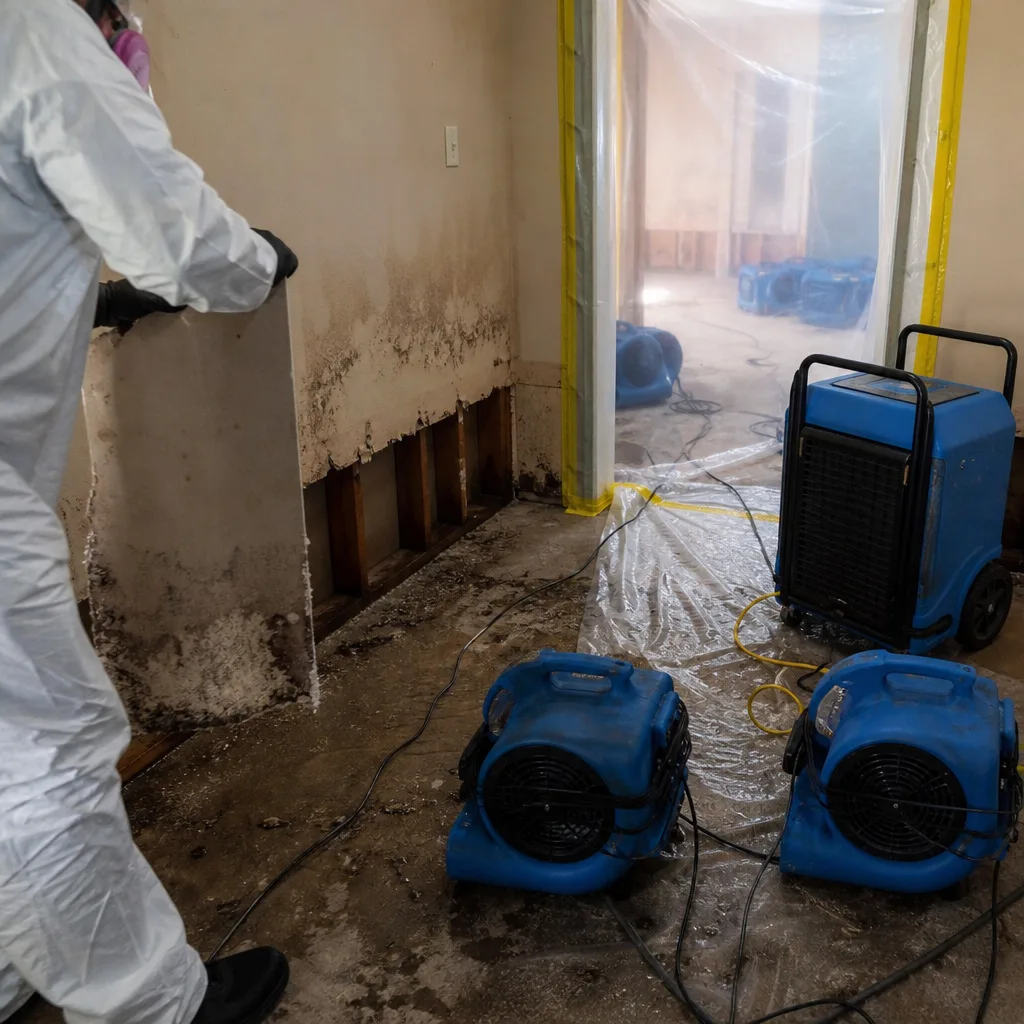 Before
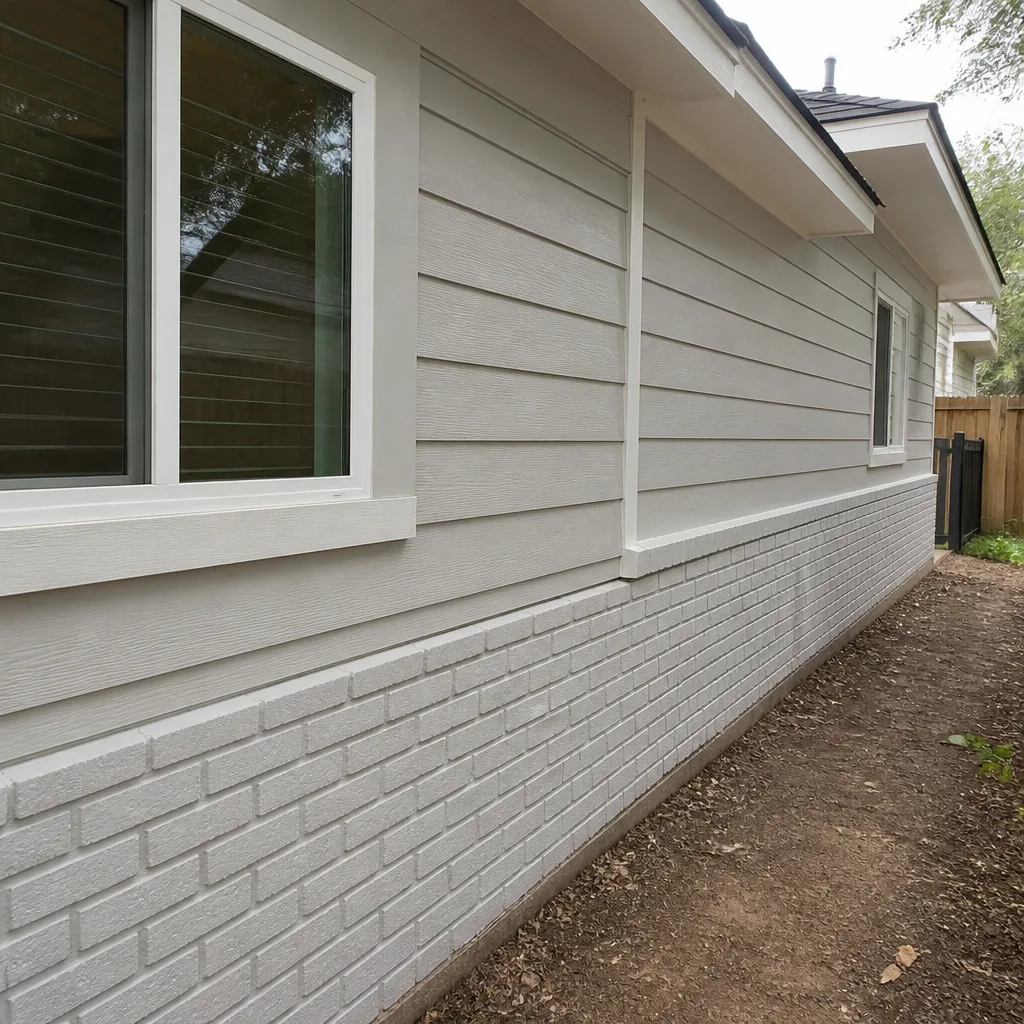 After
After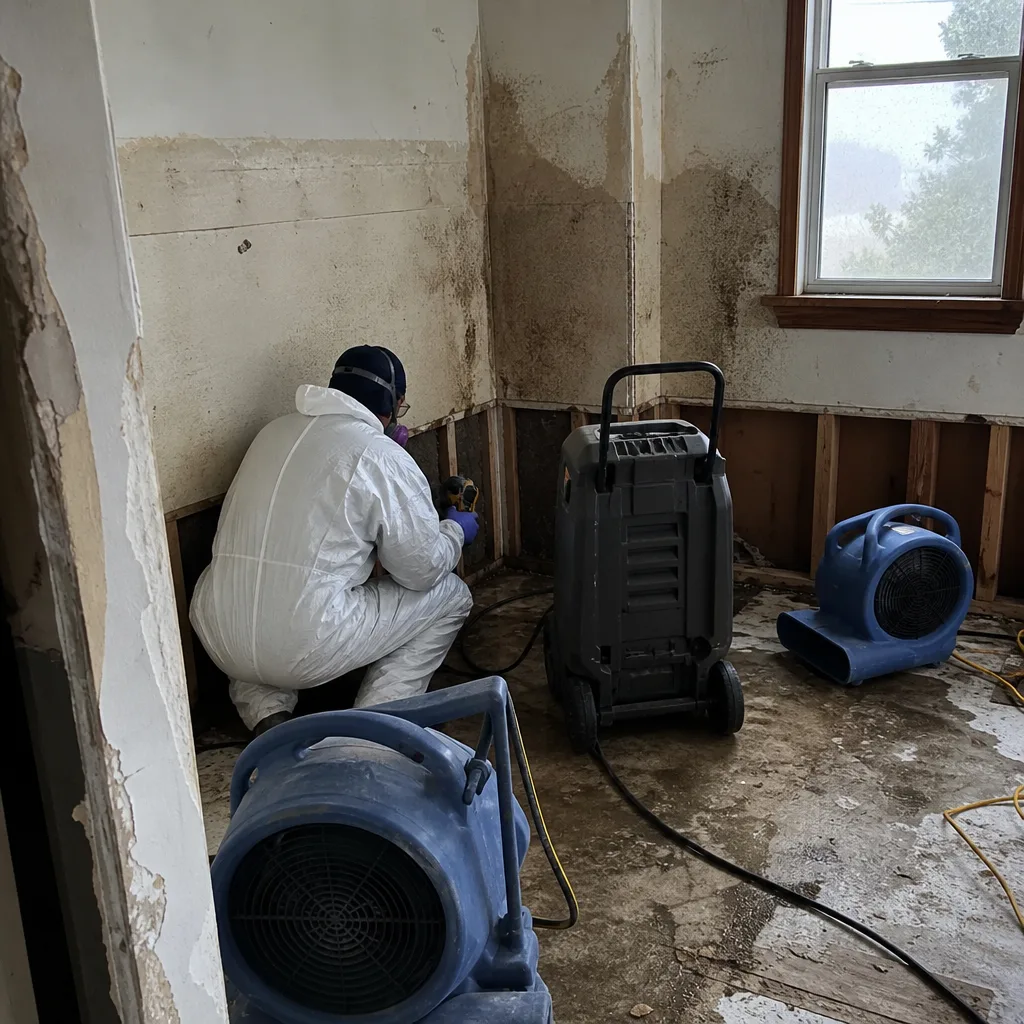 Before
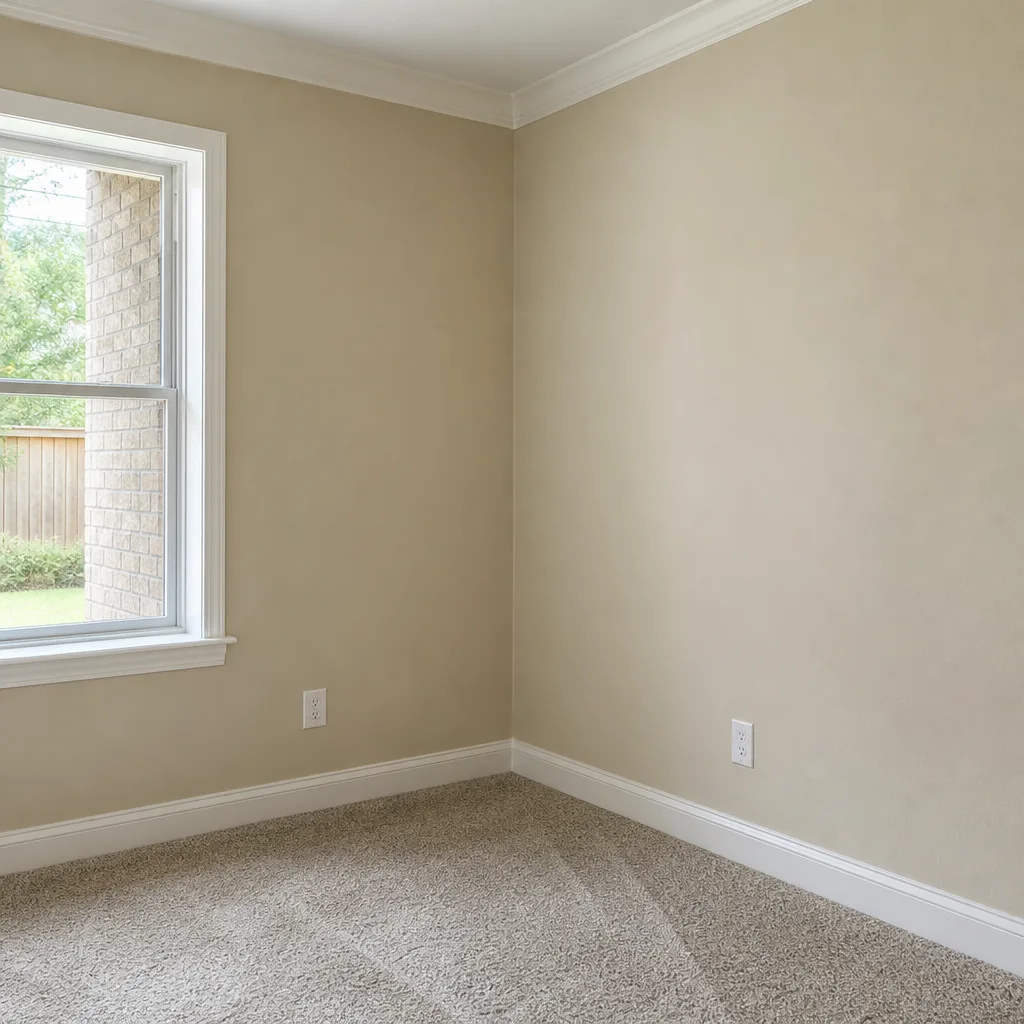 After
After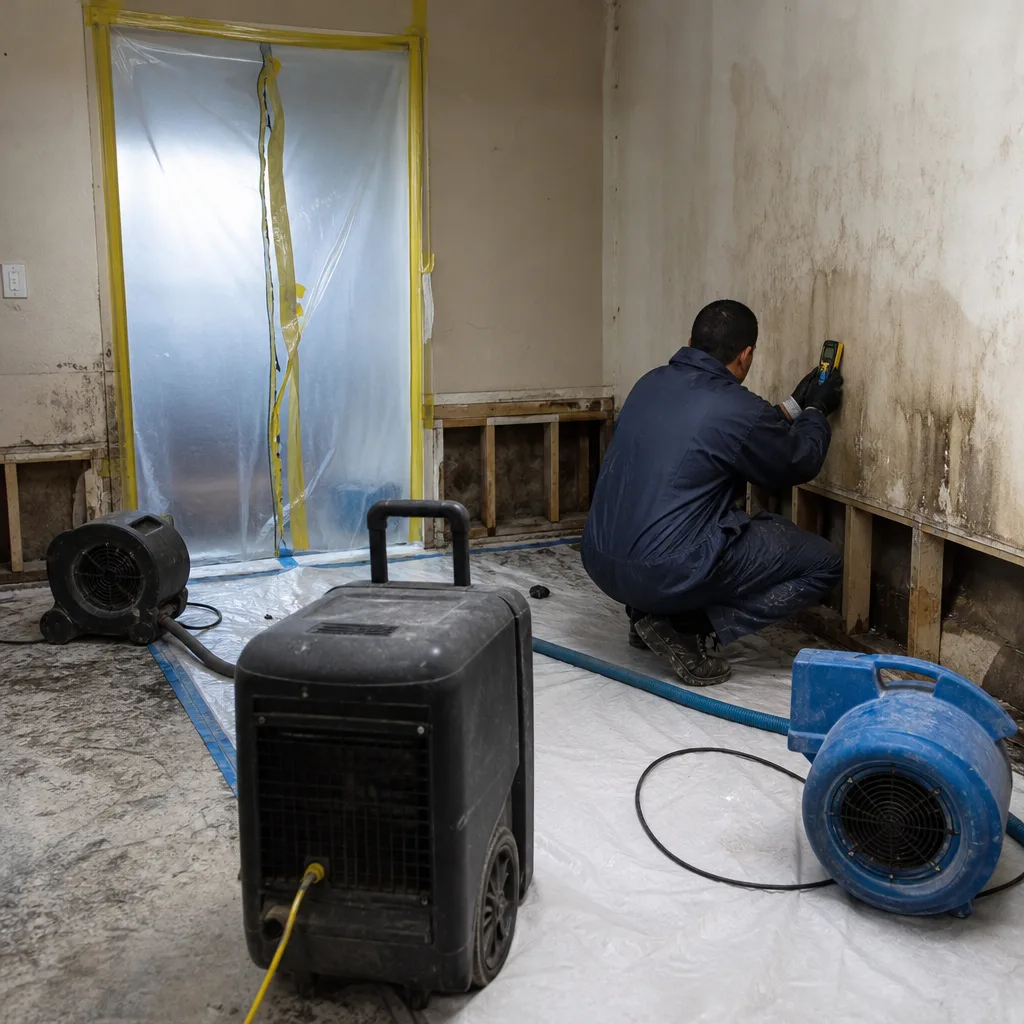 Before
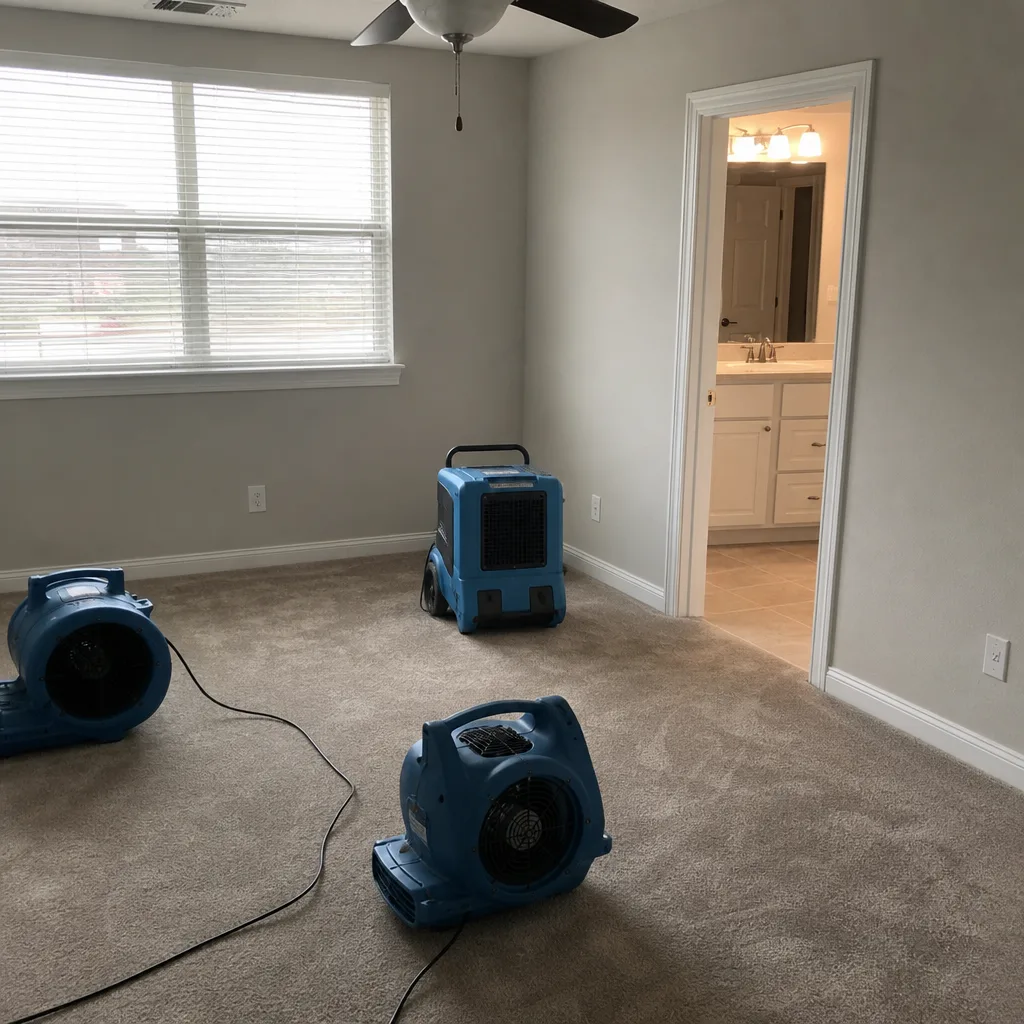 After
After